
 EN
Sunglasses Supplier vs Sunglasses Manufacturer: Key Differences for Buyers
Discover how pricing, quality control, customization, and lead times impact your B2B eyewear sourcing. Choose wisely—get the full comparison guide.
Understanding the distinction between a sunglasses supplier and a sunglasses manufacturer is critical for buyers seeking eyewear products. Many organizations confuse these roles, leading to inefficient sourcing strategies and suboptimal purchasing decisions. A sunglasses supplier typically acts as an intermediary in the supply chain, while a manufacturer produces the eyewear directly. This fundamental difference affects pricing, quality control, lead times, customization capabilities, and long-term business relationships. For procurement professionals, corporate buyers, and retailers, recognizing these distinctions enables smarter vendor selection and better alignment with business objectives.
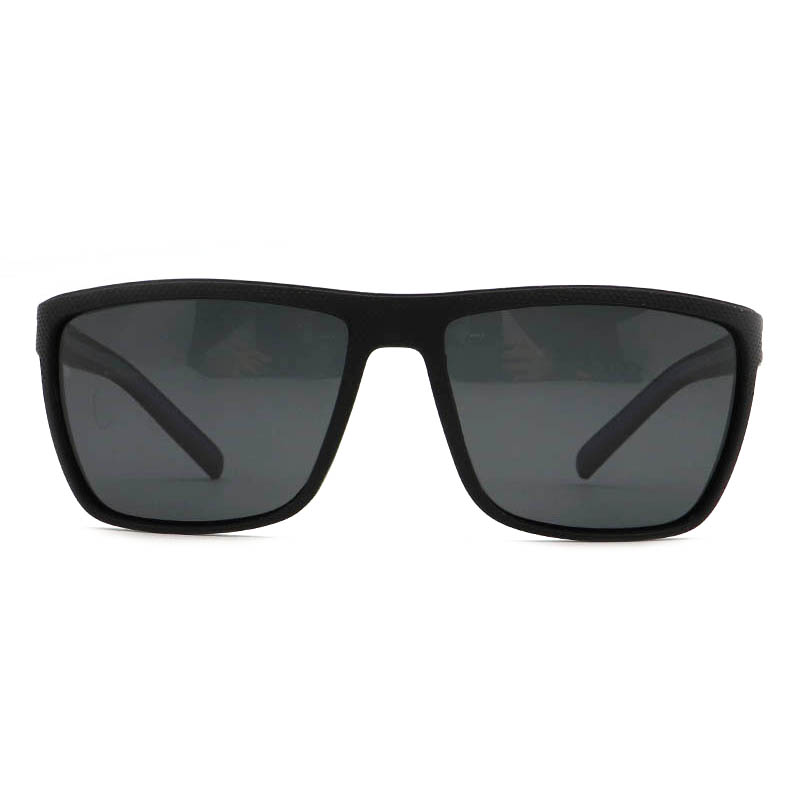
When evaluating eyewear sourcing options, buyers must assess whether partnering with a sunglasses vendor or directly with a manufacturer serves their strategic needs. Each approach carries distinct advantages and limitations. A sunglasses supplier may offer convenience through established logistics and diverse product catalogs, whereas a manufacturer provides transparency, scalability, and direct control over production specifications. The right choice depends on your volume requirements, customization demands, budget constraints, and supply chain complexity. This guide examines the core differences to help you navigate vendor selection confidently.
Understanding the Core Roles and Responsibilities
What a Sunglasses Supplier Does
A sunglasses supplier operates as a middleman in the eyewear distribution network. These vendors source finished products from multiple manufacturers, warehouse inventory, manage logistics, and sell to retailers, distributors, and bulk buyers. A sunglasses vendor typically handles order fulfillment, provides catalog management, and may offer limited customization through existing product lines. Suppliers often maintain relationships with numerous manufacturers, allowing them to aggregate products and offer variety. However, this model introduces additional margins, longer communication chains, and reduced flexibility for specialized requests. When selecting a sunglasses vendor, buyers should verify inventory turnover rates, lead times, and minimum order quantities that fit operational needs.
What a Manufacturer Does
A sunglasses manufacturer designs, produces, and ships eyewear directly to buyers. Manufacturers control every stage of production, from material sourcing and lens fabrication to frame assembly and quality assurance. This direct control enables custom specifications, proprietary designs, and consistent quality standards. Manufacturers can offer volume-based pricing, flexible minimum orders for established accounts, and transparent production timelines. Eyewear sourcing directly from manufacturers eliminates intermediary markups and facilitates open dialogue about technical requirements. Manufacturers typically invest in equipment, quality certifications, and skilled labor to ensure products meet industry standards. Long-term partnerships with manufacturers often yield preferential pricing, priority production slots, and collaborative innovation opportunities.
Quality Control and Production Transparency
Quality Assurance Differences
Quality control mechanisms differ significantly between a sunglasses supplier and a manufacturer. Manufacturers implement in-house quality testing, material inspections, and production audits at every stage. They hold accountability for defects and maintain direct responsibility for performance standards. A sunglasses vendor, conversely, relies on quality certifications from upstream manufacturers and conducts receiving inspections. While vendors may perform spot-checks, they lack direct oversight of production processes. If quality issues arise, suppliers must coordinate with manufacturers for resolution, introducing delays. For buyers requiring consistent quality, traceability, or rigorous compliance standards, direct manufacturing partnerships provide superior transparency and accountability. Eyewear sourcing from verified manufacturers also simplifies warranty claims and product recalls.
Customization and Technical Support
Customization capabilities distinguish a sunglasses supplier from a manufacturer. A sunglasses vendor typically offers customization within existing product parameters, such as logo embossing on standard frames. Manufacturers can accommodate comprehensive customization, including lens material specifications, frame geometry modifications, material substitutions, and proprietary designs. Manufacturers provide direct engineering support, prototype development, and iterative design improvements. A sunglasses wholesale supplier may have limited technical resources to support complex customization requests. When eyewear sourcing requires unique specifications, compliance with specific regulations, or branded customization at scale, manufacturers deliver superior flexibility. The direct relationship enables buyers to communicate design intent clearly and receive expert feedback on feasibility and optimization.
Pricing, Minimums, and Supply Chain Efficiency
Cost Structure and Pricing Models
Pricing differences reflect the structural roles of each vendor type. A sunglasses supplier adds markups to manufacturer costs, incorporating storage, logistics, and distribution expenses. These additional layers increase per-unit costs, particularly for smaller orders. Manufacturers typically offer lower unit prices due to elimination of intermediary margins. Volume-based pricing with manufacturers often starts at lower thresholds and improves with higher commitments. A sunglasses vendor may offer competitive pricing for high-volume, low-complexity orders but becomes less cost-effective for specialized requirements. Eyewear sourcing through manufacturers enables price transparency and direct negotiation without hidden distribution costs. Long-term partnerships with manufacturers frequently include volume discounts, seasonal pricing adjustments, and exclusive pricing for committed buyers.
Minimum Order Quantities and Lead Times
Minimum order quantities and lead times vary substantially between supplier and manufacturer models. A sunglasses wholesale supplier typically accepts lower minimums, drawing from existing inventory, with shorter lead times of one to three weeks. This flexibility suits small retailers and seasonal buyers. Manufacturers may require higher initial minimums but offer faster fulfillment for repeat orders through production planning. Lead times for custom orders from manufacturers range from six to twelve weeks, depending on complexity. However, after initial setup, manufacturers can deliver subsequent batches with shorter lead times. A sunglasses vendor provides off-the-shelf convenience, while manufacturers offer strategic efficiency for buyers with consistent, larger-volume needs. Understanding your forecasting accuracy and inventory capacity helps determine the appropriate partner type for eyewear sourcing.
Strategic Considerations for Buyer Selection
When to Partner with a Sunglasses Vendor
A sunglasses supplier makes sense for specific buyer scenarios. Small retailers requiring lower minimums benefit from vendor relationships, reducing inventory risk and capital requirements. Businesses testing new product categories or markets use vendors to access diverse product assortments without long-term commitments. Quick-turn orders, seasonal demands, and emergency stock replenishment are better served through a sunglasses vendor offering rapid fulfillment. Vendors also suit buyers requiring product variety without the complexity of managing multiple manufacturer relationships. A sunglasses wholesale supplier excels when you prioritize convenience, variety, and supply continuity over custom specifications or maximum cost efficiency.
When to Partner Directly with Manufacturers
Direct manufacturer relationships benefit buyers with specific advantages. Eyewear sourcing from manufacturers suits large retailers, corporate bulk buyers, and businesses requiring consistent branded products. Companies seeking proprietary designs, specific material standards, or compliance certifications gain from direct manufacturing partnerships. Businesses committing to sustained volumes unlock preferential pricing and priority capacity. Manufacturers support long-term growth through collaborative innovation, joint product development, and strategic supply chain alignment. If your business model relies on differentiation, quality assurance, or cost optimization through scale, a manufacturer partnership is strategically superior. Direct sunglasses supplier relationships with manufacturers also provide competitive advantages and market positioning benefits unavailable through vendor channels.
FAQ
What is the main difference between a sunglasses supplier and manufacturer?
The primary distinction is that a sunglasses supplier acts as an intermediary distributor, sourcing products from manufacturers and reselling them, while a manufacturer produces eyewear directly. Manufacturers control production quality, customization capabilities, and supply chain transparency, whereas a sunglasses vendor prioritizes distribution convenience and inventory availability. Eyewear sourcing decisions depend on whether you value cost efficiency and customization or convenience and product variety.
Why would a buyer choose a sunglasses vendor over a manufacturer?
Buyers select a sunglasses vendor for lower minimum order quantities, faster fulfillment from existing inventory, product variety without managing multiple suppliers, and lower upfront capital requirements. A sunglasses wholesale supplier is ideal for small retailers, seasonal businesses, or organizations testing new markets. Vendors also simplify logistics and provide immediate availability, making them suitable for emergency restocking and rapid market response. However, choosing a sunglasses vendor means accepting higher per-unit costs and limited customization compared to direct manufacturer partnerships.
How does eyewear sourcing directly from a manufacturer improve my business?
Eyewear sourcing from manufacturers reduces costs through elimination of intermediary markups, enables comprehensive customization and branded specifications, provides quality control transparency, and supports scalability through volume commitments. Manufacturers offer technical support, collaborative product development, and preferential pricing for consistent buyers. Direct partnerships create competitive advantages through unique designs and reliable supply continuity. For businesses prioritizing cost efficiency, quality consistency, and market differentiation, manufacturer relationships significantly strengthen operational and financial performance.



