
 EN
Stock Models vs Custom Models From a Sunglasses Supplier: Key Differences for Buyers
Confused choosing between stock & custom sunglasses? Compare lead times, MOQs, costs, and brand control. Make the right sourcing decision—get expert guidance now.
When sourcing eyewear for your business, one of the most critical decisions you'll face is whether to work with a sunglasses supplier offering stock models or custom models. This choice fundamentally affects your inventory, costs, timeline, and brand differentiation. Stock models provide immediate availability and lower minimum order quantities, while custom models allow you to create unique designs that reflect your brand identity. Understanding the key differences between these two approaches is essential for making an informed decision that aligns with your business goals and market positioning.
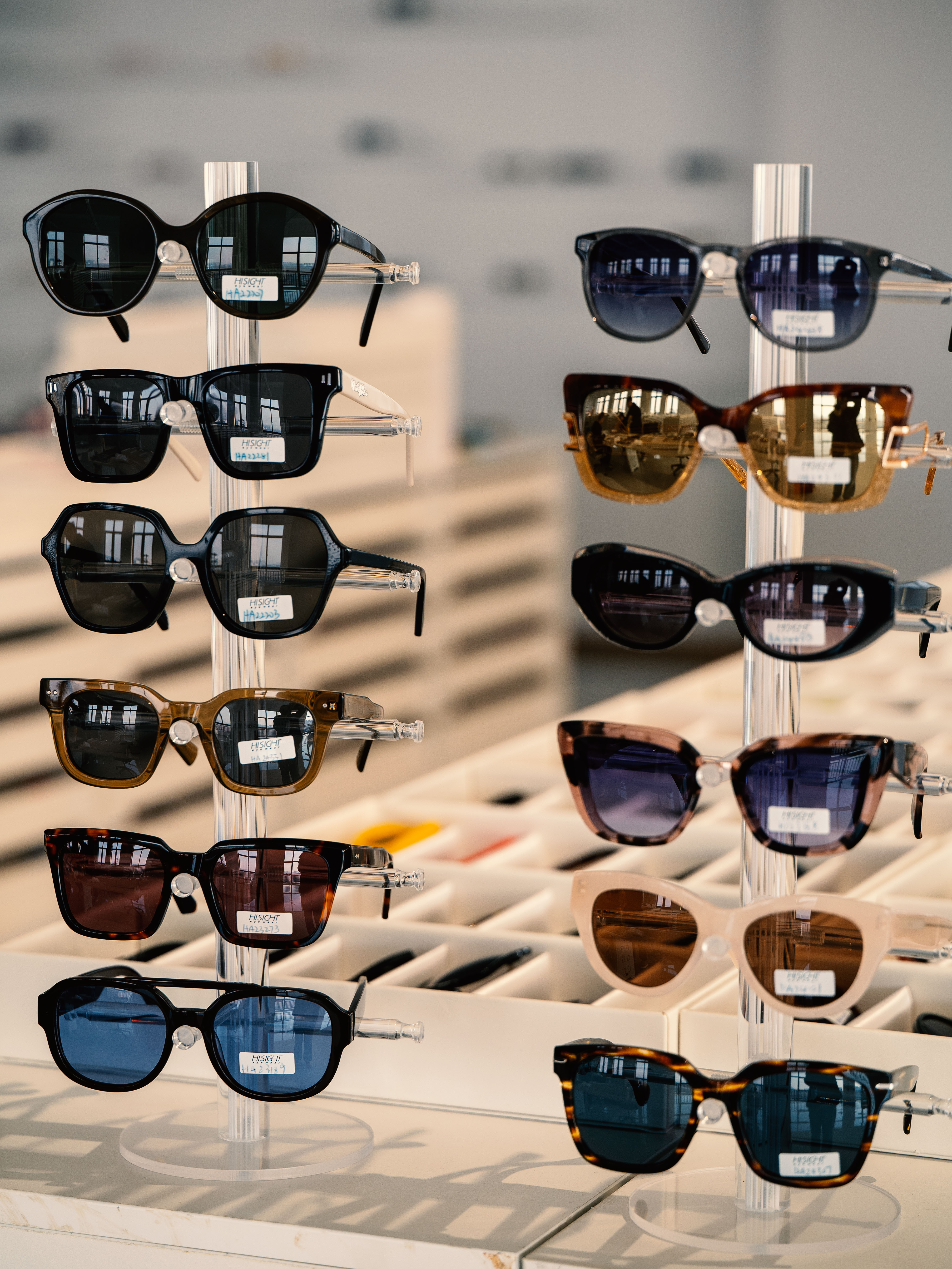
The distinction between stock and custom sunglasses goes beyond simple product availability. When you partner with a sunglasses vendor, you're essentially choosing between convenience and control. Stock models represent designs that have already been manufactured and are ready to ship, while custom models are created specifically according to your specifications. Each approach carries distinct advantages and limitations that impact your sourcing strategy, financial investment, and time-to-market considerations.
Stock Models: Availability and Speed
Immediate Supply and Lower Minimums
Stock models from a sunglasses supplier are pre-manufactured designs held in inventory, ready for immediate shipment. This approach eliminates lengthy production timelines and allows you to place orders with significantly lower minimum quantities. Many eyewear sourcing partners offer stock options with minimum order quantities as low as 50 units, compared to 500 or 1,000 units for custom designs. For retailers and resellers who need rapid inventory replenishment or want to test new product categories without major capital commitment, stock models present a practical solution that reduces inventory risk and accelerates cash flow.
Cost Efficiency and Predictable Pricing
Because stock sunglasses are produced in large batches and distributed across multiple buyers, your sunglasses wholesale costs per unit are typically lower than custom orders. The manufacturing overhead is shared across many customers, allowing your sunglasses vendor to offer competitive pricing without requiring enormous order quantities. You'll also encounter fewer unexpected costs, as production has already been completed and quality controlled. This cost structure makes stock models ideal for price-sensitive markets where margin optimization is critical, and for businesses still establishing their product mix and customer preferences.
Custom Models: Design Control and Differentiation
Brand Uniqueness and Market Positioning
Custom sunglasses enable you to create products that genuinely reflect your brand identity and stand apart from competitors. Working with a sunglasses supplier on custom designs means you control every element—frame shape, lens color, material composition, logo placement, and packaging. This level of customization is invaluable for brands seeking strong market differentiation and customer loyalty. Your eyewear sourcing strategy can now include proprietary designs that competitors cannot easily replicate, creating genuine competitive advantage and supporting premium pricing strategies. Brands in luxury segments, lifestyle niches, and corporate gifting particularly benefit from this differentiation approach.
Longer Lead Times and Higher Commitment
The tradeoff for custom design control is extended production timelines and higher minimum order quantities. Most sunglasses wholesale orders for custom models require lead times of 8 to 16 weeks, compared to immediate or 2-week fulfillment for stock items. Minimum quantities typically start at 500 to 1,000 units, representing significant inventory investment and capital commitment. Your eyewear sourcing plan must account for these realities through careful demand forecasting and longer-term planning. However, once production begins, you gain full access to your custom design specifications, allowing you to create a cohesive product line that reinforces brand recognition and justifies the wait and investment.
Selecting the Right Approach for Your Business
Assessing Your Business Stage and Market Position
Your choice between stock and custom options depends heavily on your business maturity and market strategy. Startups and small retailers often benefit from beginning with stock models through a sunglasses supplier, allowing them to validate product-market fit, understand customer preferences, and build inventory without excessive risk. Established brands with proven demand and clear market positioning typically invest in custom designs to strengthen brand equity and command premium pricing. Your sunglasses vendor should be capable of supporting both approaches, enabling you to start with stock models and transition to custom designs as your business scales and your product vision becomes more defined.
Hybrid Strategies and Practical Implementation
Many successful businesses adopt hybrid approaches by combining stock and custom models within their eyewear sourcing strategy. You might maintain core stock styles for consistent revenue and rapid fulfillment while developing custom limited-edition designs to drive excitement and brand storytelling. This balanced approach allows you to benefit from the cost efficiency and speed of stock sunglasses while gradually building a custom collection. Your sunglasses wholesale partner should support this flexibility, offering both product categories without forcing you into one exclusive direction. Regular communication with your sunglasses supplier about sales data, customer feedback, and market trends helps optimize your product mix over time.
FAQ
What are the typical lead times when ordering custom sunglasses from a supplier?
Custom sunglasses typically require 8 to 16 weeks for production and delivery from a sunglasses supplier, depending on design complexity, order size, and production capacity. This timeline includes design confirmation, material sourcing, manufacturing, quality inspection, and logistics. Stock models, by contrast, can usually ship within 2 weeks or immediately from existing inventory.
Can I order small quantities of custom sunglasses from a sunglasses vendor?
Most sunglasses suppliers require minimum orders of 500 to 1,000 units for custom designs due to setup costs and production efficiencies. However, some eyewear sourcing specialists may negotiate lower minimums for established customers or offer semi-custom options that modify existing stock designs with your branding. Stock models generally have much lower minimums, often 50 units or fewer through sunglasses wholesale channels.
How do I decide between stock and custom sunglasses for my brand?
Evaluate your business stage, budget, timeline, and brand differentiation needs. If you need inventory quickly and operate with limited capital, stock models from your sunglasses supplier make sense. If you have established demand, desire strong brand differentiation, and can commit to higher minimum orders, custom designs through your sunglasses vendor justify the investment. Many successful brands start with stock and transition to custom as they grow, creating a layered eyewear sourcing strategy.



