
 EN
Sunglasses Supplier Order Consolidation: Planning Considerations for Buyers and Brands
Discover how sunglasses supplier order consolidation cuts freight spend, boosts cash flow & strengthens vendor partnerships.
Order consolidation is a critical operational strategy for buyers and brands working with a sunglasses supplier. By combining multiple purchase orders into fewer, larger shipments, companies can reduce logistics costs, improve inventory management, and build stronger relationships with their eyewear sourcing partners. This approach requires careful planning and coordination but delivers measurable benefits across procurement, warehouse operations, and cash flow management.
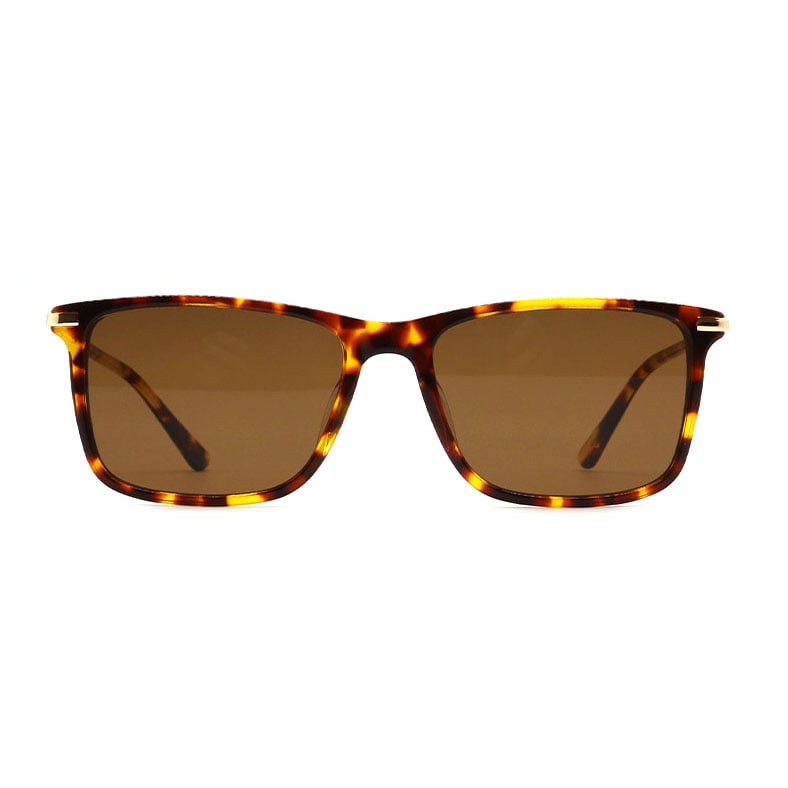
Working with a reliable sunglasses vendor requires understanding the financial and operational mechanics of order consolidation. Rather than placing sporadic, small orders that inflate per-unit shipping costs and handling fees, consolidation aligns order timing with production cycles and transportation schedules. Brands must balance inventory needs, storage capacity, demand forecasts, and supplier lead times to create a consolidation strategy that maximizes savings while maintaining product availability.
Understanding Order Consolidation Benefits
Cost Reduction Through Bulk Logistics
One of the primary advantages of order consolidation is the dramatic reduction in per-unit logistics expenses. When a sunglasses supplier ships a single order for 500 units, the cost per unit for freight, handling, and customs clearance is significantly lower than five separate orders of 100 units each. Consolidation spreads fixed shipping costs across a larger order volume, reducing the effective cost per product. This advantage is especially pronounced in international eyewear sourcing, where ocean freight and customs processing represent substantial expenses.
Beyond freight savings, consolidated orders reduce packaging waste and warehouse labor. Fewer shipments mean fewer receiving operations, less paperwork processing, and reduced handling time for dock staff. Sunglasses wholesale operations benefit particularly from these efficiencies because high-volume retailers can negotiate better rates with their sunglasses vendor when they demonstrate a willingness to consolidate.
Improved Inventory and Cash Flow Management
Strategic order consolidation allows brands to optimize inventory turnover while protecting against stockouts. By timing consolidated shipments to align with seasonal demand peaks or planned promotions, buyers can maintain leaner warehouse stocks without sacrificing product availability. This reduces carrying costs and minimizes the risk of excess inventory that may become obsolete, especially in fashion-driven eyewear markets where styles and colors rotate frequently.
Cash flow also improves when consolidation extends payment cycles. Many sunglasses wholesale suppliers offer more favorable payment terms for larger orders, allowing buyers to negotiate net-30 or net-45 arrangements that improve working capital. Consolidation combined with extended terms can free up cash for other business operations while ensuring consistent product supply.
Key Planning Considerations for Consolidation Strategy
Demand Forecasting and Inventory Capacity
Accurate demand forecasting is the foundation of successful order consolidation. Buyers must analyze historical sales data, seasonal trends, and upcoming marketing campaigns to project realistic purchase volumes. Eyewear sourcing teams should work closely with sales and marketing departments to align ordering with actual customer demand rather than guessing at quantities. Under-forecasting leads to stockouts and lost revenue, while over-forecasting wastes storage space and ties up capital in slow-moving inventory.
Warehouse and storage capacity directly constrains consolidation strategy. A buyer cannot consolidate orders into larger shipments if the facility lacks space to receive and store them. Before committing to a larger consolidated order, brands must evaluate available storage, shelving systems, and climate control requirements for sunglasses stock. This assessment should include both short-term receiving staging areas and longer-term inventory storage, ensuring the facility can accommodate peak inventory levels without disrupting operations.
Supplier Lead Times and Production Schedules
Communication with your sunglasses supplier about production capacity and lead times is essential for consolidation planning. Different styles, colors, and customizations require different manufacturing timelines. A sunglasses vendor may produce standard inventory styles in four weeks but need eight weeks for custom or bespoke designs. Buyers must understand these variations to consolidate orders effectively without creating bottlenecks or missing delivery windows.
Lead time variability also affects consolidation feasibility. If your sunglasses vendor operates on strict production schedules, you may need to consolidate orders to align with specific production runs or container departure dates. This alignment can actually reduce lead times by batching orders through established supply chain touchpoints rather than requesting expedited individual shipments.
Quality Control and Product Variability
Consolidated orders increase the importance of pre-shipment quality inspections. When a sunglasses wholesale buyer receives a large consolidated shipment, any quality defects affect a larger portion of inventory. Brands should establish inspection protocols with their eyewear sourcing partner, specifying acceptable defect rates, packaging standards, and product specifications. Clear documentation and third-party inspection services can catch issues before consolidated shipments arrive at your facility.
Product variability across production batches requires attention when consolidating multiple orders. Different manufacturing runs may show slight color variations, material inconsistencies, or fit variations. Buyers consolidating orders for the same style across multiple purchase dates should confirm with their sunglasses vendor that all units meet identical specifications or explicitly accept documented variations.
Implementing Effective Consolidation Practices
Coordinating with Supplier Production Schedules
Successful consolidation requires transparent communication and advance planning with your sunglasses vendor. Share your annual demand forecast and consolidation strategy, allowing the supplier to plan production capacity and reserve container space. Many eyewear sourcing partners appreciate advance notice of large consolidated orders because it enables them to optimize their manufacturing workflows and reduce production costs, which may translate into better pricing for the buyer.
Establish specific consolidation windows or consolidation schedules with your sunglasses supplier. Rather than consolidating randomly, create predictable ordering patterns such as monthly or quarterly consolidation dates. This predictability helps suppliers plan production runs and allows buyers to benchmark costs and delivery performance consistently.
Managing Multiple Product SKUs and Styles
Consolidation becomes more complex when orders include multiple product SKUs and styles. A single consolidated shipment might contain ten different sunglasses styles in various colors and sizes. Buyers must work with their eyewear sourcing team to create detailed packing lists, organize inventory by SKU, and establish clear receiving procedures. This organizational work upfront prevents confusion and reduces the time required to unload and organize consolidated shipments.
Communication between procurement and warehouse operations is critical. The team receiving consolidated orders needs to know exactly what to expect, in what quantities, and which SKUs belong in which storage locations. A sunglasses wholesale operation with poor internal coordination can lose the cost benefits of consolidation through inefficient warehouse processes.
Documentation and Compliance Requirements
International sunglasses wholesale consolidation requires attention to customs documentation and compliance. Consolidated shipments require accurate bills of lading, commercial invoices, and product compliance documentation for each SKU included. Any discrepancies between documentation and actual shipment contents can delay customs clearance and add costs. Buyers should work with freight forwarders and customs brokers to ensure all documentation is complete and accurate before shipment departure.
FAQ
How often should I consolidate orders with my sunglasses supplier?
The optimal consolidation frequency depends on your demand patterns, storage capacity, and supplier capabilities. Many brands consolidate monthly or quarterly, aligning with seasonal demand changes and supplier production schedules. High-volume sunglasses wholesale operations may consolidate even more frequently, while smaller brands might consolidate biannually. Work with your eyewear sourcing partner to identify frequencies that minimize logistics costs while maintaining adequate inventory levels.
What minimum order quantities should I target for consolidation with a sunglasses vendor?
Minimum consolidation quantities vary based on your storage capacity, demand forecast, and the sunglasses supplier's production constraints. Generally, consolidated orders should be large enough to justify a full shipping container or a significant partial-container commitment. Most eyewear sourcing partners offer the best pricing and lead times for orders between 500 and 2,000 units per style, though this varies by supplier and product complexity. Smaller brands might consolidate 1,000 to 2,000 total units across multiple styles.
How can consolidation improve my relationship with my sunglasses vendor?
Strategic consolidation demonstrates commitment and predictability to your sunglasses supplier. When a sunglasses vendor understands your ordering pattern and business needs, they can allocate capacity reliably, offer better pricing, and prioritize your orders during peak seasons. Regular communication about consolidation strategy, advance forecasting, and consistent order timing builds trust and creates a partnership mindset. Many eyewear sourcing suppliers reward committed buyers with volume discounts, priority production slots, and support for custom product development.



