
 EN
Balancing Weight and Strength in Sports Eyewear Frames: Practical Quality Control Steps
This QC guide reveals 5 proven steps to balance weight & strength in sports eyewear—boost safety, comfort & compliance. Download now.
Achieving the perfect balance between weight and strength in sports eyewear represents one of the most critical challenges in eyewear manufacturing. Athletes demand frames that are lightweight enough for extended wear during competition yet robust enough to withstand impact, stress, and rigorous daily use. The stakes are high because improper weight-to-strength ratios compromise both comfort and safety, directly affecting athlete performance and satisfaction. Understanding how to balance these competing demands requires systematic quality control processes that evaluate material selection, structural design, and manufacturing precision.
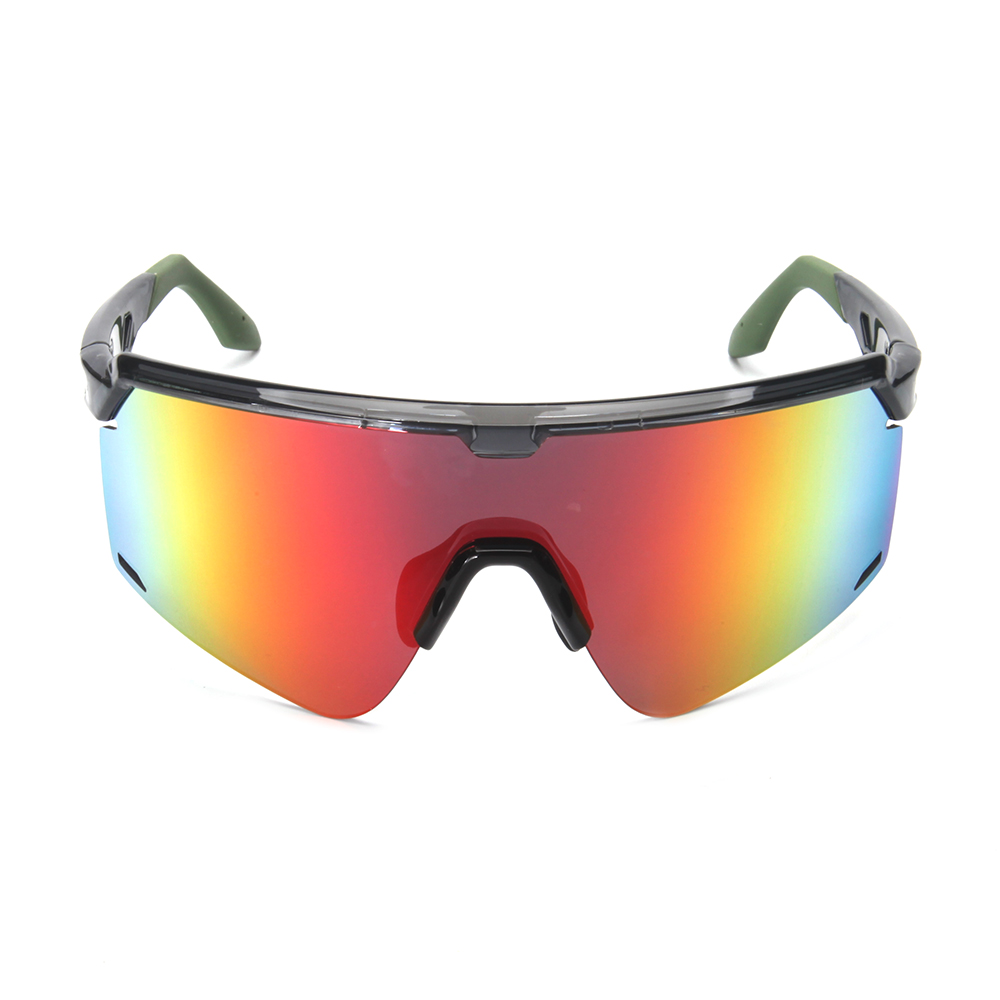
Quality control in sports eyewear manufacturing involves rigorous testing protocols that measure both dimensional accuracy and material durability. Manufacturers must establish clear benchmarks for weight specifications, tensile strength, impact resistance, and flexibility to ensure that performance eyewear meets the demanding needs of athletes across different sports. The integration of advanced materials, precision engineering, and comprehensive testing creates Sports Eyewear that performs reliably in high-stakes environments.
Material Selection and Weight Optimization
Choosing the Right Frame Materials
The foundation of lightweight yet durable athletic glasses begins with intelligent material selection. Titanium alloys, carbon fiber composites, and advanced polymers each offer distinct advantages for performance eyewear. Titanium provides exceptional strength-to-weight ratios, allowing manufacturers to create frames that weigh as little as 20 grams while maintaining superior impact resistance. Carbon fiber options deliver even lighter solutions for competitive sports, though they require more sophisticated manufacturing techniques and careful quality oversight during production.
Polymer materials used in sports glasses continue to improve, with modern variants offering surprising durability despite their lighter weight. The selection process demands detailed material testing to confirm that chosen compounds meet both weight targets and structural requirements for the specific sport. Manufacturers must balance material cost, availability, environmental factors, and performance characteristics when developing athletic glasses that satisfy both engineer specifications and athlete expectations.
Weight Distribution and Frame Geometry
Beyond raw material choice, the geometric design of frames significantly impacts both total weight and structural integrity. Strategically placing reinforcement zones in high-stress areas allows engineers to reduce material in non-critical regions, optimizing the weight distribution of performance eyewear. Advanced computer modeling helps manufacturers identify where frame thickness can be reduced without compromising strength, resulting in sports glasses that feel lighter while maintaining necessary durability.
Bridge design, temple construction, and hinge positioning all contribute to the overall weight and functional strength of athletic glasses. Quality control teams must measure frame geometry precisely to ensure that weight reduction strategies do not accidentally create weak points vulnerable to failure during impact or extended use.
Structural Strength Assessment and Testing Protocols
Impact Resistance Testing
Comprehensive impact testing forms the backbone of quality control for sports eyewear. Standards such as ANSI Z87.1 establish baseline requirements, but manufacturers of performance eyewear often exceed these minimums to ensure superior durability. Drop tests, where frames are subjected to repeated impacts from defined heights, reveal how well athletic glasses absorb force without cracking, delaminating, or losing optical alignment. High-speed impact projectiles simulate real-world collisions athletes may experience during play.
Hinge durability testing applies repeated opening and closing cycles to evaluate whether the connection points between temples and frames remain stable after thousands of uses. This stress testing identifies potential failure points and confirms that sports glasses maintain structural integrity throughout their intended lifespan. Manufacturers record data from each test batch, creating performance benchmarks that guide material adjustments and design refinements.
Tensile Strength and Flexibility Evaluation
Tensile strength testing measures how much force frame materials can withstand before breaking or permanently deforming. Quality control engineers apply controlled stress to frame samples and document the exact point where material fails, establishing clear thresholds for acceptable performance eyewear. These measurements ensure that athletic glasses possess sufficient strength for their intended use without becoming brittle or prone to sudden fracture.
Flexibility testing evaluates whether frames can flex during adjustment or accidental bending without cracking. This property proves essential for sports glasses that may experience twisting forces or compression during competition. The balance between flexibility and rigidity directly impacts user safety and product longevity, making this assessment critical for reliable athletic glasses that withstand real-world stress patterns.
Manufacturing Process Control and Final Inspection
Precision Manufacturing Standards
Consistent manufacturing processes transform material advantages into reliable products. Quality control during frame assembly monitors joint strength, ensuring that connections between components meet specified torque values and maintain alignment. Template thickness measurements at multiple points confirm that frame geometry matches design specifications exactly, preventing unexpected weight variations or weak zones in production batches of sports glasses.
Injection molding, heat treatment, and assembly procedures require standardized parameters that remain constant across all production runs. Quality control teams sample frames at regular intervals, conducting dimensional verification to detect any drift from established specifications. This systematic approach to manufacturing discipline ensures that each unit of performance eyewear meets the established balance between weight and strength.
Final Inspection and Batch Validation
Before sports eyewear reaches consumers, comprehensive final inspection evaluates multiple performance criteria simultaneously. Weight measurement confirms that each frame falls within the specified range, preventing unacceptable variations that could affect fit or comfort. Visual inspection identifies surface defects, misalignment, or irregularities that might compromise durability or safety of athletic glasses during use.
Functional testing of hinges, bridges, and temples verifies that all mechanical components operate smoothly without resistance or play. Optical alignment checks ensure that lenses sit perfectly centered, maintaining visual quality while the frame's structural integrity protects the optical surfaces. Random batch sampling and statistical process control methods allow manufacturers to maintain confidence in product quality while managing production efficiency for sports glasses destined for competitive athletes.
FAQ
How much should quality sports eyewear weigh?
Most modern sports eyewear ranges from 18 to 35 grams depending on frame size, material, and design. Titanium frames typically weigh 20 to 28 grams, while polymer options may reach 30 to 35 grams. Weight targets depend on the specific sport and athlete preference, but athletic glasses should always feel comfortable during extended wear without compromising strength through excessive lightweighting.
What is the standard impact test for performance eyewear?
The ANSI Z87.1 standard requires high-mass impact testing where a one-inch steel ball drops from 50 inches onto lens surfaces. Sports glasses must withstand this impact without cracking or delaminating. Many manufacturers exceed these baselines, using projectile tests and additional stress protocols to verify that athletic glasses exceed minimum safety requirements and perform reliably in high-impact sports environments.
Can lightweight sports frames maintain adequate strength?
Yes, modern materials and design techniques enable lightweight sports eyewear to achieve excellent strength properties. Titanium alloys and advanced polymers provide strength-to-weight ratios far superior to older frame materials. Proper engineering through strategic reinforcement zones, intelligent geometry, and precision manufacturing allows athletic glasses to be both exceptionally light and remarkably durable when designed and tested correctly.



