
 EN
Hinge Area Cracks in Thick Acetate Glasses Frames: Causes and Corrective Actions
Discover root causes—from material brittleness to design flaws—and proven corrective actions for manufacturers and opticians. Prevent failures now.
Hinge area cracks represent one of the most common structural failures in eyewear, particularly affecting high-quality acetate glasses. These frames, prized for their aesthetic appeal and comfort, are susceptible to stress fractures at the hinge junction where the temple arm connects to the front. Understanding the root causes of these cracks and implementing corrective measures can significantly extend frame lifespan and reduce costly replacements for both manufacturers and end users.
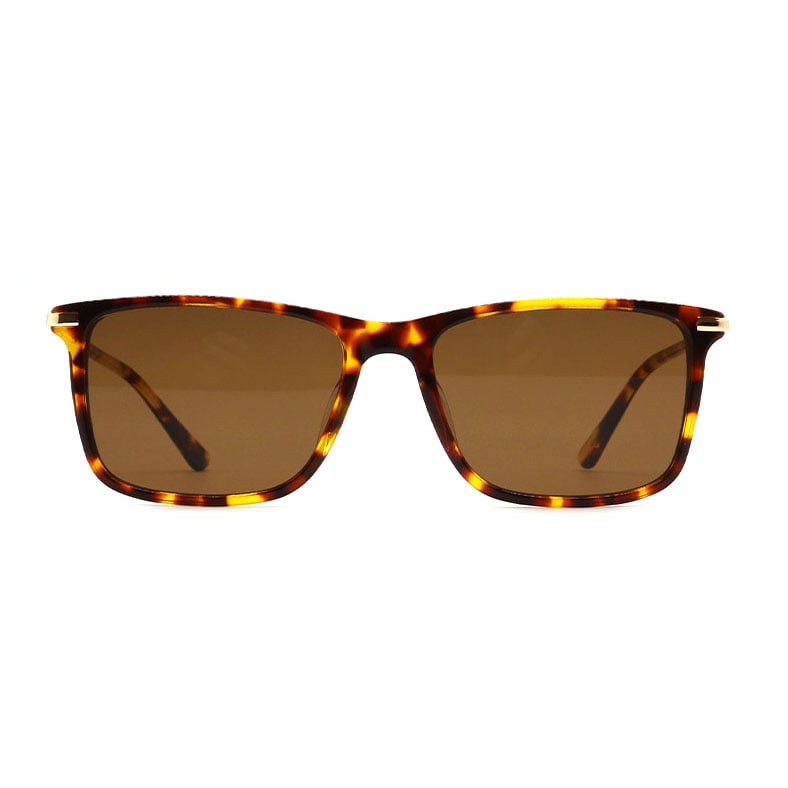
Handcrafted acetate glasses undergo complex manufacturing processes that can inadvertently create weak points at critical structural zones. The hinge area bears concentrated mechanical stress every time frames are opened, closed, or adjusted during daily wear. When material composition, design geometry, or manufacturing tolerances fall short of industry standards, failure becomes inevitable, often within months of initial use.
Material Composition and Stress Concentration
Acetate Quality and Brittleness
The quality of acetate used in eyewear production directly impacts hinge durability. Lower-grade acetate exhibits higher brittleness and reduced flexibility compared to premium formulations. When manufacturers cut corners on raw material sourcing, the resulting handcrafted acetate glasses become prone to catastrophic hinge failure. Superior acetate compounds contain specialized plasticizers that enhance flexibility without compromising structural integrity, whereas inferior grades lack these additives.
Thermal stress during acetate optical frames production can also modify material properties at the microscopic level. If injection molding temperatures exceed optimal ranges or cooling cycles occur too rapidly, internal molecular chains fail to align properly. This misalignment creates inherent weak zones that eventually crack under routine mechanical loading at the hinge junction.
Hinge Mechanism Design Flaws
The hinge design itself plays a critical role in crack formation. When the transition between the temple arm and front differs too abruptly in thickness, stress concentrates at this geometric discontinuity. Acetate optical frames with sharp corners at the hinge connection experience higher peak stresses compared to designs incorporating gradual radius transitions. Additionally, if the hinge barrel is positioned too close to the outer surface of the acetate material, insufficient reinforcement exists to distribute mechanical loads effectively.
Poor hinge alignment during assembly compounds these design vulnerabilities. If the barrel axis deviates from the ideal position, uneven stress distribution develops immediately, accelerating crack initiation even under normal wear conditions.
Manufacturing Process Variables and Quality Control
Injection Molding Precision and Mold Maintenance
Acetate glasses production relies heavily on precision injection molding, where dozens of process parameters must operate within narrow tolerance bands. Worn or improperly maintained molds introduce dimensional inconsistencies that weaken hinge zones. Flash lines, sink marks, and incomplete material flow within mold cavities create stress risers identical to engineered stress concentration features in materials testing. When production facilities neglect regular mold inspection and maintenance, defective frames escape quality checkpoints and fail prematurely in the field.
Handcrafted acetate glasses typically involve secondary finishing operations after demolding, including hinge drilling, temple shaping, and nose pad attachment. If drilling operations produce burrs, micro-cracks, or misaligned holes, the hinge assembly becomes mechanically compromised from the start. Inadequate quality verification at each production stage allows defects to accumulate and manifest as catastrophic hinge failure.
Assembly and Post-Production Treatment
The final assembly of acetate optical frames introduces additional failure risk if hinge screws are overtightened during frame closure. Excessive torque compresses acetate material around the barrel, creating internal residual stresses that amplify during normal wear. Conversely, loose hinges encourage micro-motion between components, initiating fatigue cracks through repeated flexing cycles.
Heat treatment and annealing processes help relieve internal stresses from molding, yet many manufacturers skip these steps to reduce production costs. Frames lacking proper stress relief accumulate damage faster when exposed to temperature fluctuations, humidity changes, and mechanical loading.
Environmental Factors and Usage Patterns
Temperature Cycling and Humidity Effects
Acetate glasses exhibit dimensional changes in response to temperature and humidity variations. When frames transition between heated indoor environments and cold outdoor conditions repeatedly, material expansion and contraction create cyclic stresses at the hinge. Over time, these thermal cycling events initiate and propagate cracks, especially at weak points introduced during manufacturing. Coastal regions with high humidity present additional challenges, as moisture absorption into acetate accelerates environmental stress cracking.
User Habits and Mechanical Loading
Even well-designed acetate optical frames can fail prematurely if subjected to abuse or careless handling. Frames dropped on hard surfaces concentrate impact loads directly at the hinge junction. Excessive temple spreading during removal or adjustment strains the hinge beyond design limits. Users who rest frames on their heads or hang them from shirt collars subject the hinge to prolonged bending stress that eventually exceeds material fatigue resistance.
Proper care and handling directly correlate with hinge longevity. Frames stored in protective cases and handled gently experience far fewer hinge failures than those subjected to rough daily use without adequate protection.
Corrective Actions and Prevention Strategies
Design Optimization for Hinge Durability
Manufacturers must prioritize hinge durability by incorporating gradual stress transitions between frame components. Acetate glasses featuring reinforced hinge areas with thickened acetate material in critical zones significantly reduce crack formation. Design iterations should include finite element analysis to identify peak stress locations and optimize geometry accordingly. Rounded corner radii at hinge connections distribute loads more evenly than sharp transitions, directly reducing peak stresses by 30 to 40 percent in typical applications.
Material Selection and Manufacturing Excellence
Investing in premium-grade acetate compounds with proven flexibility and durability profiles eliminates a major source of premature failure. Handcrafted acetate glasses benefit from material suppliers offering consistent quality certifications and batch testing documentation. Implementing rigorous quality control protocols at every production stage, including mold maintenance schedules, dimensional verification, and stress relief procedures, ensures that acetate optical frames meet durability expectations.
Hinge assembly procedures should specify controlled torque values and training protocols to prevent over-tightening. Regular calibration of torque tools maintains consistent assembly tension across production runs, reducing variability that contributes to premature failures.
Consumer Education and Care Recommendations
Educating end users about proper frame handling extends acetate glasses lifespan significantly. Instructions should recommend gentle removal using both hands, avoidance of extreme temperature exposure, and storage in protective cases when not in use. Guiding users to seek professional adjustment rather than forcing temple arms prevents excessive mechanical stress at the hinge.
FAQ
Why do acetate glasses develop hinge cracks more frequently than other frame materials?
Acetate optical frames are more susceptible to hinge cracks because acetate exhibits lower impact resistance compared to metals or advanced polymers. The material's inherent brittleness at lower temperatures, combined with stress concentration at the hinge junction, creates an ideal environment for crack initiation. While acetate offers superior aesthetics and comfort, these advantages must be balanced with design and material quality investments to ensure hinge durability.
Can hinge cracks in handcrafted acetate glasses be repaired?
Small hinge cracks can sometimes be repaired through professional optical repair services using adhesives or acetate welding techniques, but repaired hinges often remain weaker than original construction. Major cracks that compromise structural integrity typically require complete frame replacement. Prevention through proper design, manufacturing quality, and user care remains far more cost-effective than repair attempts.
What manufacturing steps most directly prevent hinge cracks in acetate optical frames?
The most effective prevention strategies include using premium acetate materials, implementing stress relief annealing, optimizing hinge geometry with finite element analysis, maintaining precision mold conditions, controlling assembly torque values, and conducting rigorous quality inspection at every production stage. Combining these measures with consumer education about proper frame handling creates a comprehensive approach that dramatically extends acetate glasses durability and customer satisfaction.



