
 EN
Lens Gaps in Acetate Glasses After Heat Adjustment: Prevention and Quality Control
Discover proven prevention strategies, precision temperature protocols, and QC standards for flawless frames. Download the guide.
Lens gaps represent one of the most persistent quality challenges in eyewear manufacturing, particularly when working with acetate glasses that undergo heat adjustment processes. These small spaces between the lens and frame edge not only compromise the aesthetic appeal of handcrafted acetate glasses but also affect structural integrity and wearer comfort. Understanding the root causes and implementing robust prevention strategies during production is essential for any manufacturer committed to delivering high-quality acetate optical frames to the market.
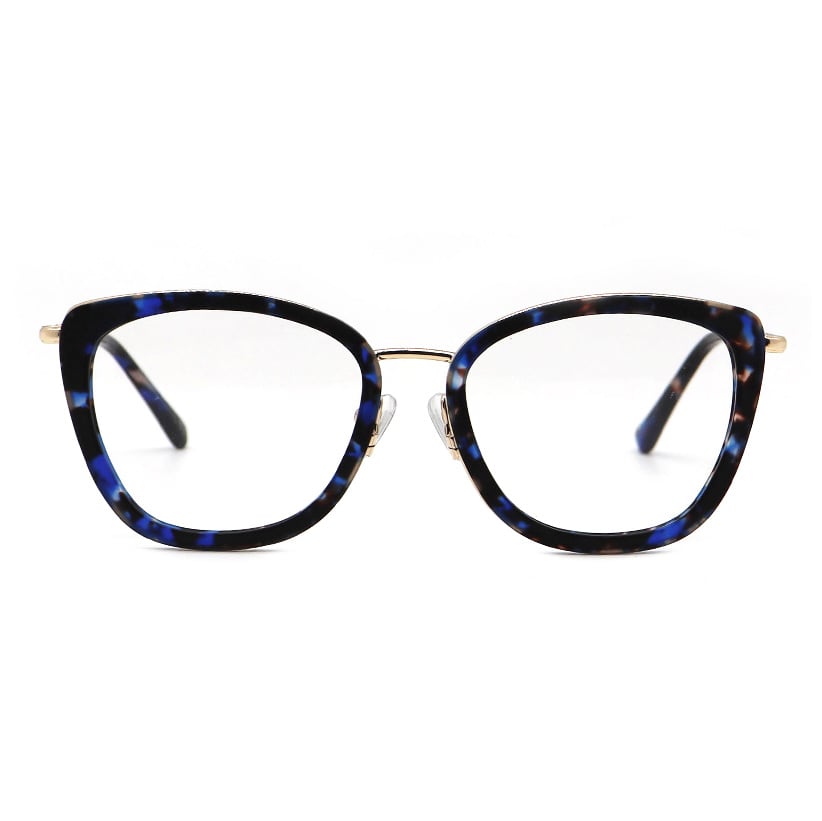
The problem intensifies during heat adjustment, a critical stage where acetate frames are carefully shaped to achieve the desired fit and appearance. Thermal stress, material contraction, and improper handling during this phase frequently introduce lens gaps that were not present in earlier production stages. This article explores the mechanisms behind lens gap formation, practical prevention methods, and comprehensive quality control protocols that protect the integrity of acetate optical frames throughout manufacturing and distribution.
Understanding Lens Gap Formation in Acetate Glasses
Thermal Stress and Material Behavior
Acetate, a cellulose-based polymer, exhibits unique thermal properties that directly influence how handcrafted acetate glasses respond to heat. When temperatures rise during the adjustment process, the material undergoes expansion, but this expansion is rarely uniform across the entire frame. The lens holding areas may expand at slightly different rates than the bridge or temple sections, creating internal stress points that eventually manifest as visible gaps.
The cooling phase following heat adjustment compounds this risk. As acetate glasses cool, the material contracts, but uneven cooling can leave residual stress locked within the frame structure. If the lens was set slightly too tight during the warm adjustment phase, contraction may create unexpected pressure that later releases as a gap. Conversely, if positioned too loosely, the cooling process simply solidifies a misaligned lens position, resulting in a permanent gap that compromises both form and function.
Dimensional Variation During Production
Manufacturing tolerances in acetate optical frames are inherently tighter than in plastic or metal alternatives. The handcrafted nature of acetate glasses means that slight variations in lens grinding, frame cavity dimensions, and material properties can accumulate through production stages. Even minor deviations in lens thickness or frame groove width become magnified during heat adjustment, when the frame geometry is being actively modified.
Quality control teams often discover that identical handcrafted acetate glasses sourced from the same batch produce different gap outcomes when subjected to identical heat adjustment protocols. This variability stems from micro-level inconsistencies in material density, resin composition, or pigmentation that affect thermal conductivity and expansion rates. Understanding these sources of variation is fundamental to implementing effective prevention strategies across production lines.
Prevention Strategies for Heat Adjustment
Controlled Temperature Protocols
The most effective prevention approach begins with precise temperature management during the heat adjustment of acetate glasses. Rather than applying uniform heat to the entire frame, leading manufacturers now employ graduated heating techniques that warm the acetate optical frames in targeted zones. This staged heating approach allows material expansion to occur incrementally, giving the lens time to settle into its final position without sudden mechanical shock.
Temperature monitoring equipment, such as infrared thermometers or thermal imaging cameras, enables technicians to maintain exact heat levels throughout the adjustment cycle. Most high-quality acetate glasses perform optimally when heated to temperatures between 60 and 75 degrees Celsius, though specific requirements vary by acetate formulation and frame design. Exceeding these thresholds increases the risk of material warping, while insufficient heat prevents proper reshaping and leads to failed adjustments that necessitate repeated heating cycles, compounding gap formation risk.
Lens Seating and Frame Preparation
Before any heat adjustment begins, handcrafted acetate glasses must be thoroughly inspected to ensure lens edges align perfectly with frame grooves. This preparation phase involves cleaning debris from the frame cavity, verifying lens dimensions against frame specifications, and confirming that the lens seat is free of obstructions or damage. Many manufacturers employ specialized tools to inspect groove depths and lateral alignment, ensuring that acetate optical frames are ready to receive lenses without forcing.
Lens insertion technique significantly impacts gap formation outcomes. Rather than pressing lenses directly into frame grooves, best practices recommend using gentle mechanical pressure combined with minimal heat to allow the acetate material to yield naturally. This patient approach reduces the likelihood of micro-fractures at the lens-frame interface that later expand into visible gaps as stress is released during cooling cycles.
Quality Control Measures and Testing
Gap Detection and Measurement Standards
Establishing measurable standards for acceptable gap dimensions transforms lens gap management from a subjective assessment into a reproducible quality metric. Professional eyewear manufacturers define gap tolerance thresholds, typically ranging from zero to 0.3 millimeters at the widest point, depending on frame style and application. Acetate glasses undergo systematic measurement at multiple points around the lens perimeter using dial gauges, calipers, or optical inspection systems that flag deviations exceeding these thresholds.
Modern quality control facilities employ automated vision systems capable of detecting gaps as small as 0.1 millimeters, enabling early identification of frames that require rework. Statistical tracking of gap measurements across production batches reveals patterns that guide process refinements. When data indicates rising gap rates during specific shifts or with particular acetate material batches, manufacturers can immediately investigate root causes and implement corrective actions before quality issues propagate through inventory.
Stress Testing and Durability Validation
Beyond static measurement, comprehensive quality control for acetate optical frames includes thermal cycling tests that simulate long-term environmental exposure. Sample handcrafted acetate glasses are subjected to repeated heating and cooling cycles, then remeasured to identify gaps that emerge only after extended thermal stress. This proactive testing reveals latent defects missed by single-point inspections and validates whether prevention strategies effectively contain gap formation across the lifespan of the eyewear.
Impact and flexibility tests complement thermal validation, ensuring that acetate glasses can withstand normal handling and wearer adjustments without developing new gaps. Frames are gently flexed to simulate typical use scenarios, then re-inspected for any evidence of lens shifting or new gap formation. These comprehensive protocols provide confidence that acetate optical frames will maintain structural integrity well beyond the point of sale, supporting both customer satisfaction and brand reputation in competitive eyewear markets.
FAQ
Why do lens gaps appear in acetate glasses after heat adjustment even when initial fit seemed perfect?
Lens gaps often develop because acetate glasses cool unevenly after heat adjustment, creating residual stress that later releases gradually. The material contraction during cooling can shift the lens position if internal stresses were locked into the frame structure during the warming phase. Additionally, slight variations in material density within a single batch of handcrafted acetate glasses mean that identical thermal treatments produce different mechanical outcomes, causing gaps to emerge in some frames while others remain gap-free.
Can lens gaps in acetate optical frames be repaired after they form, or must the frame be discarded?
Minor lens gaps can often be addressed through controlled reheating and gentle repositioning, though repeated heat cycles increase the risk of material fatigue and permanent warping. Many manufacturers offer rework services for acetate glasses showing gap formation within warranty periods, applying refined adjustment techniques developed from their quality control data. However, prevention through proper initial adjustment remains far more cost-effective and reliable than attempting repairs after gaps become visible, as repeated heating progressively degrades the material properties of acetate optical frames.
How do manufacturers ensure consistent gap prevention across large production runs of handcrafted acetate glasses?
Consistency is achieved through standardized protocols that document exact temperature targets, heating duration, cooling procedures, and lens insertion techniques specific to each acetate optical frame design. Statistical process control systems track gap measurements across every production batch, enabling manufacturers to identify drift and adjust procedures proactively. By maintaining detailed records of which acetate material batches, production dates, and technician shifts correlate with lower gap rates, manufacturers continuously refine their approaches to minimize defects and maintain quality standards throughout handcrafted acetate glasses production.



