
 EN
Pattern Misalignment Between Acetate Glasses Front and Temples: Quality Control in Production
Learn acetate glasses pattern misalignment causes between front and temples. Explore cutting, assembly & QC methods to avoid defects for custom acetate optical frames.
Pattern misalignment between the front and temples represents one of the most critical quality challenges in acetate glasses manufacturing. When the decorative patterns, textures, or color gradations on the front don't match those on the temples, the final product appears unfinished and undermines customer satisfaction. This alignment issue directly impacts brand perception, return rates, and production efficiency across eyewear manufacturers and custom frame producers.
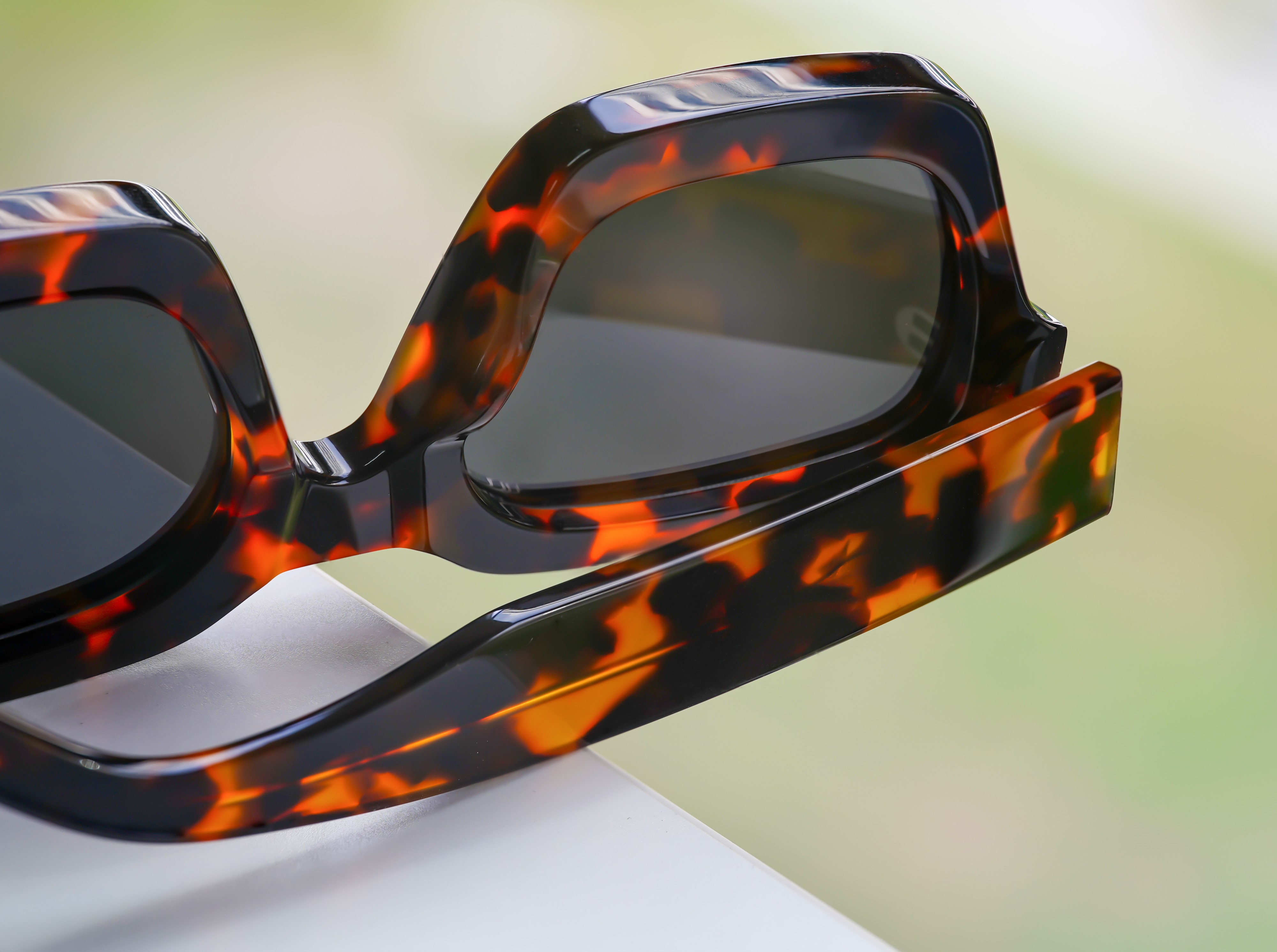
Handcrafted acetate glasses demand precision at every production stage, from raw material selection through final assembly. The material's organic nature—combined with the complexity of aligning patterns across multiple frame components—creates unique manufacturing demands. Understanding the root causes of misalignment and implementing robust quality control systems are essential for producing acetate glasses that meet both aesthetic and functional standards.
Understanding Pattern Misalignment in Acetate Optical Frames
What Creates Misalignment During Manufacturing
Pattern misalignment occurs when the acetate sheets are cut, shaped, and assembled without maintaining consistent orientation. Acetate optical frames are produced from laminated sheets where multiple colors or patterns are layered together. When the front panel is cut at a different angle or position than the temples, the visual continuity breaks. Material shrinkage, temperature fluctuations during production, and inconsistent cutting templates all contribute to this defect. Handcrafted acetate glasses require meticulous tracking of each blank's pattern position before any cutting begins.
Visual and Functional Consequences
Misalignment directly affects customer perception. A frame with a tortoiseshell pattern that flows seamlessly across the front and temples appears premium and intentional, while one with broken or offset patterns looks defective. Beyond aesthetics, handcrafted acetate glasses with alignment issues may also experience structural problems. The misalignment can indicate deeper production errors—such as incorrect hinge placement or uneven temple thickness—that compromise fit and durability. For acetate optical frames designed for luxury markets, even minor visual inconsistencies warrant rejection.
Root Causes and Quality Control Checkpoints
Material Preparation and Cutting Precision
The foundation of preventing pattern misalignment in acetate glasses starts with material preparation. Raw acetate sheets must be inspected for thickness consistency and pattern continuity before cutting. Cutting templates must be precisely calibrated and regularly recalibrated to ensure every front and temple piece is positioned identically within the pattern. Handcrafted acetate glasses producers often use digital cutting systems combined with manual verification to catch template drift early. Temperature control during cutting is equally critical, as acetate can expand or contract slightly, throwing off alignment measurements.
Assembly and Alignment Verification
Before acetate optical frames are assembled, each component should be visually aligned against a reference standard. Quality inspectors must verify that the front's pattern aligns with the temple pieces using overlay templates or digital imaging. This checkpoint prevents defective components from entering assembly. Handcrafted acetate glasses require trained eyes to detect subtle misalignments that automated systems might miss. Implementing a staging area where all components are verified before hinging reduces downstream rework significantly.
Post-Assembly Quality Inspection
Final inspection of assembled acetate optical frames should measure pattern continuity across the front-to-temple junction. Many manufacturers photograph each frame and compare it against a master image stored in their quality database. Acetate glasses with any visible misalignment—typically defined as a shift greater than 1-2mm across color or pattern lines—should be quarantined for either correction or scrap. This final gate prevents misaligned handcrafted acetate glasses from reaching end customers.
Best Practices for Minimizing Misalignment
Process Documentation and Standardization
Every production step involving acetate glasses must be documented with clear visual standards and measurement tolerances. Creating photo galleries of acceptable versus defective acetate optical frames helps assembly teams and inspectors maintain consistent quality judgments. Handcrafted acetate glasses benefit from written procedures that specify exact cutting angles, hinge positioning, and temple-to-front alignment targets. Training sessions should be conducted regularly, especially when new pattern designs are introduced to the acetate glasses lineup.
Equipment Maintenance and Calibration
Cutting machines, hinges, and polishing tools must be serviced on a strict schedule to maintain precision in acetate optical frames production. Templates and cutting heads should be calibrated weekly or whenever a new pattern batch begins. Handcrafted acetate glasses manufacturers often invest in redundant measurement systems—such as digital calipers and overlay gauges—to verify that cutting and assembly equipment remain within tolerance. This preventive maintenance approach dramatically reduces pattern misalignment defects across all acetate glasses product lines.
Traceability and Root Cause Analysis
When misalignment defects are detected in acetate optical frames, the affected batch must be traced back to its source. Recording which cutting template, assembly station, and quality inspector handled each frame enables rapid identification of systemic problems. If handcrafted acetate glasses from one production shift show consistent misalignment, investigating that shift's equipment, materials, and personnel practices uncovers the root cause. This data-driven approach transforms quality control from reactive rejection to proactive prevention, improving overall acetate glasses manufacturing consistency.
FAQ
What causes pattern misalignment between the front and temples of acetate glasses?
Pattern misalignment in acetate glasses results from inconsistent cutting angles, material shrinkage, temperature fluctuations, and improper template positioning during production. Handcrafted acetate glasses are particularly susceptible because multiple manual handling steps introduce variability. If the acetate optical frames' front piece is cut from a different position within the laminated sheet than the temple pieces, the patterns will not align at the hinge point.
How can manufacturers detect misalignment in handcrafted acetate glasses?
Visual inspection combined with overlay templates and digital imaging are the most effective detection methods. Quality inspectors compare finished acetate optical frames against reference standards by photographing them or placing overlay gauges at the front-to-temple junction. Many acetate glasses manufacturers photograph each frame and compare it to a master image database. Misalignment greater than 1-2mm typically triggers rejection or rework in handcrafted acetate glasses production.
What is the financial impact of pattern misalignment on acetate optical frames production?
Pattern misalignment drives significant costs through scrap material, rework labor, customer returns, and brand damage. When handcrafted acetate glasses with visible defects reach customers, return rates spike and reputation suffers. Preventing misalignment through proper QC systems costs far less than replacing defective acetate optical frames or managing customer dissatisfaction. Investing in equipment calibration, staff training, and rigorous inspection procedures reduces rework costs by up to 30 percent in acetate glasses manufacturing environments.



