
 EN
Bio-Based vs Recycled Materials in Sustainable Eyewear: Key Differences for Buyers
Compare bio-acetate and recycled sunglasses by durability, cost, end-of-life options, and ESG benefits to make informed B2B procurement decisions.
The eyewear industry is undergoing a profound transformation as companies and consumers alike recognize the environmental impact of conventional production methods. Sustainable eyewear has emerged as a critical category within the broader sustainability movement, offering buyers a way to make environmentally conscious choices without compromising on style, durability, or optical performance. The choice between bio-based and recycled materials, however, remains confusing for many procurement professionals and end consumers seeking to align their purchases with genuine environmental values.
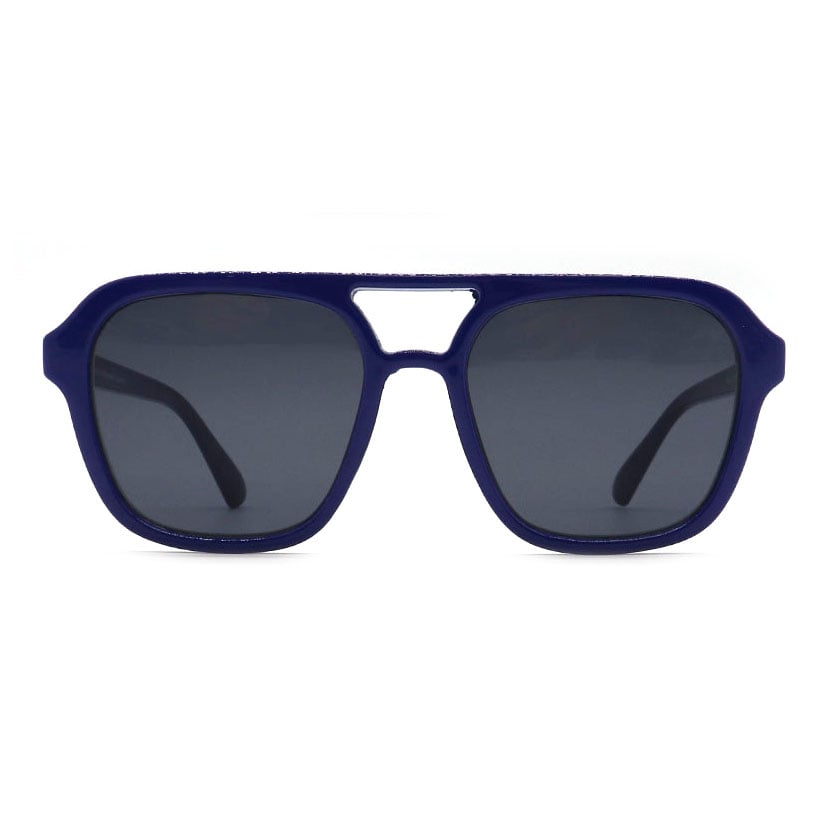
Understanding the fundamental differences between bio acetate eyewear and recycled sunglasses is essential for making informed purchasing decisions. Both pathways contribute to reducing the environmental footprint of eyewear production, but they operate on distinctly different principles, offer different lifecycle benefits, and carry different trade-offs that matter to buyers, manufacturers, and supply chain partners. This guide breaks down those differences to help you evaluate which material approach best aligns with your sustainability priorities and business requirements.
Understanding Bio-Based Materials in Eco Friendly Glasses
What Are Bio-Based Materials
Bio-based materials, particularly in eco friendly glasses, are derived from renewable plant resources rather than petroleum. Bio acetate eyewear represents the most common application, using cellulose extracted from wood pulp or cotton linters combined with plasticizers to create a workable, moldable material. This approach transforms agricultural and forestry byproducts into premium eyewear components, creating value from resources that might otherwise be discarded.
Environmental Profile and Production Impact
The production of bio acetate eyewear typically involves lower energy requirements compared to virgin plastic synthesis, and the material is inherently biodegradable under appropriate industrial composting conditions. Bio-based eyewear manufacturers often highlight reduced carbon emissions during production, renewable resource replenishment cycles, and the elimination of dependency on finite fossil fuel reserves. However, the cultivation of source materials may involve agricultural inputs, land use considerations, and processing chemicals that need transparent disclosure for genuine sustainability assessment.
Recycled Materials and the Recycled Sunglasses Market
How Recycled Sunglasses Are Manufactured
Recycled sunglasses are produced by collecting post-consumer or post-industrial plastic waste, processing it through mechanical or chemical recycling pathways, and transforming it into new eyewear frames and components. This circular economy approach diverts plastic from landfills and oceans, giving existing materials a second life rather than requiring virgin resource extraction. Recycled sunglasses manufacturers have developed sophisticated sorting, cleaning, and reprocessing technologies to ensure material quality meets stringent optical and durability standards.
Circular Economy Benefits and Scalability
Recycled sunglasses embody the circular economy principle by closing material loops and reducing the volume of new resource extraction required annually. The infrastructure for collecting and processing plastic waste continues to expand globally, making recycled sunglasses increasingly accessible and cost-effective at scale. Additionally, using recycled content positions brands as active participants in waste reduction, addressing consumer concerns about plastic pollution and landfill overflow. The material recovery rate and energy savings grow more significant as recycling infrastructure matures and collection networks expand across regions.
Key Differences for Buyers: Performance, Durability, and Cost Considerations
Performance and Durability Characteristics
Both bio acetate eyewear and recycled sunglasses can deliver excellent optical clarity, UV protection, and mechanical durability when engineered and manufactured to equivalent standards. Bio-based materials often exhibit superior resistance to humidity and temperature fluctuations due to their inherent molecular structure, while recycled materials may vary slightly depending on the source plastic composition and reprocessing quality. Buyers should evaluate product certifications, impact resistance ratings, and lens retention specifications for both sustainable eyewear options rather than assuming material origin determines performance alone.
Cost Structure and Market Availability
Historically, eco friendly glasses made from bio acetate commanded a premium price due to lower production volumes and specialized supply chains. Recycled sunglasses pricing has become increasingly competitive as collection infrastructure and processing capacity have matured, often approaching price parity with bio-based alternatives in some market segments. Cost transparency becomes critical for buyers evaluating sustainable eyewear investments; understanding material sourcing costs, production overhead, and certification expenses helps distinguish genuine sustainability investments from greenwashing.
End-of-Life Disposal and Lifecycle Implications
The end-of-life narrative differs meaningfully between material types. Bio acetate eyewear decomposes under industrial composting conditions, offering true biodegradability if proper disposal infrastructure exists in the buyer's region. Recycled sunglasses, by contrast, remain mechanically recyclable indefinitely, supporting multiple material cycles without degradation. Buyers must consider whether their geographic location has access to appropriate disposal systems; in regions lacking industrial composting facilities, bio-based sustainable eyewear may not deliver its intended environmental benefit.
Selecting the Right Material for Your Needs
Alignment with Corporate Sustainability Goals
Organizations with circular economy commitments may prioritize recycled sunglasses to demonstrate active participation in waste reduction and material loop closure. Companies emphasizing renewable resources and eliminating fossil fuel dependencies might favor bio acetate eyewear as the preferred expression of their sustainability narrative. Neither choice is objectively superior; rather, the selection reflects strategic priorities around renewable sourcing, waste diversion, carbon reduction targets, or supply chain transparency commitments specific to each buyer's sustainability framework.
Supply Chain Transparency and Verification
Buyers evaluating sustainable eyewear options should verify material certifications, third-party environmental assessments, and manufacturing transparency disclosures from suppliers. Look for documentation of material origins, processing methods, carbon footprint calculations, and end-of-life pathways for both eco friendly glasses and recycled alternatives. Certification bodies such as Cradle to Cradle, EU Ecolabel, or industry-specific standards provide credible verification that material claims reflect genuine environmental improvements rather than marketing positioning without substance.
FAQ
Are bio acetate eyewear frames truly biodegradable in standard landfill conditions?
Bio acetate eyewear frames require industrial composting facilities to biodegrade properly, which means standard landfill conditions do not facilitate decomposition. Most regions lack widespread access to industrial composting infrastructure, making biodegradability a theoretical benefit unless proper disposal systems exist locally. Buyers should verify composting facility availability in their area before selecting bio-based sustainable eyewear based solely on biodegradability claims.
Do recycled sunglasses contain the same optical quality as virgin material glasses?
Yes, recycled sunglasses manufactured to equivalent standards deliver identical optical clarity, UV protection, and lens retention performance as virgin material eyewear. Material origin does not determine optical quality; instead, engineering specifications, lens coatings, and manufacturing precision control performance outcomes. Reputable eco friendly glasses manufacturers test recycled sunglasses to identical durability and optical standards, ensuring buyers experience no performance trade-off for choosing recycled content.
What is the cost difference between bio-based and recycled sustainable eyewear?
Cost differences between bio acetate eyewear and recycled sunglasses have narrowed significantly as recycling infrastructure has scaled, often achieving price parity in mature markets. Bio-based options may still command slight premiums in regions with limited recycled material sourcing, while recycled sustainable eyewear may offer cost advantages where collection networks are well-established. Buyers should request detailed pricing from manufacturers to compare total cost of ownership including sustainability certifications and supply chain documentation rather than making assumptions based on material type alone.



