
 EN
Pattern Creation Methods Used in Layered Acetate Glasses Frames: A Technical Guide for Eyewear Buyers
Learn acetate frame pattern creation: CAD & template design, multi-layer techniques. See how patterns define fit, color and durability of acetate optical frames.
Understanding how acetate glasses are manufactured begins with recognizing the critical role of pattern creation in the production process. Pattern creation is the foundational step that determines the final shape, fit, and aesthetic quality of every frame. For eyewear buyers and manufacturers seeking superior quality, understanding these technical methods provides essential insight into why certain frames command premium pricing and deliver exceptional durability. The layering techniques employed in pattern creation directly influence the structural integrity, color saturation, and overall visual appeal of handcrafted acetate glasses.
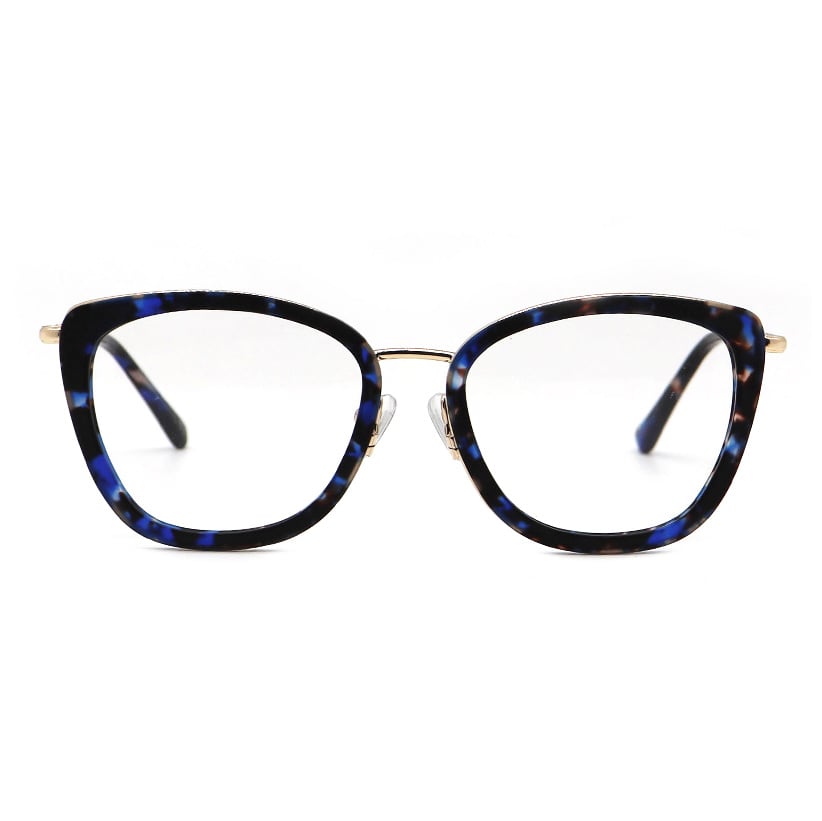
The process of creating patterns for acetate optical frames involves multiple specialized techniques that have evolved through decades of eyewear craftsmanship. These methods determine how acetate sheets are cut, layered, and assembled into finished frames. Different manufacturers employ varying approaches based on their equipment, design philosophy, and target market positioning. By examining the specific pattern creation methodologies, buyers can better evaluate quality differences and make informed purchasing decisions aligned with their brand requirements and customer expectations.
Understanding Acetate Pattern Design Fundamentals
Digital CAD-Based Pattern Design
Modern handcrafted acetate glasses production increasingly relies on computer-aided design (CAD) software to create precise patterns. Digital pattern design allows manufacturers to establish exact measurements, curve specifications, and layer configurations before physical production begins. This technology enables rapid iteration and ensures consistency across production batches. Acetate optical frames designed through CAD systems achieve superior dimensional accuracy compared to purely manual methods. The digital approach also facilitates customization, allowing buyers to request modifications while maintaining structural integrity and aesthetic balance.
Traditional Template-Based Methodology
Many premium handcrafted acetate glasses manufacturers still employ hand-drawn templates and traditional pattern-making techniques. These methods rely on skilled craftspeople who create physical patterns from acetate sheets, using years of experience to determine optimal proportions and layering sequences. Traditional pattern creation emphasizes artistic interpretation and allows for subtle design nuances that distinguish luxury frames from mass-produced alternatives. The template-based approach creates unique visual characteristics that appeal to discerning buyers seeking distinctive acetate optical frames with individual personality and craftsmanship marks.
Layering Techniques in Acetate Frame Construction
Multi-Layer Sheet Stacking Process
Pattern creation for acetate glasses fundamentally depends on understanding how multiple acetate sheets are layered and bonded together. Manufacturers select specific acetate colors, patterns, and transparencies to create visual depth and structural strength. Each layer in handcrafted acetate glasses serves both functional and aesthetic purposes. The layering pattern determines the final color appearance, with some designs incorporating translucent layers that create subtle gradients when light passes through. Acetate optical frames often feature three to five distinct layers, strategically positioned to achieve desired visual effects while maintaining frame durability and comfort during extended wear.
Color Graduation and Pattern Blending
Advanced pattern creation methods in acetate glasses production involve precise planning of color transitions across multiple layers. Manufacturers calculate how different acetate hues will appear when stacked, considering light refraction and color blending principles. This technique allows handcrafted acetate glasses to display complex multi-tonal effects that appear impossible to achieve with single-layer frames. Pattern designers for acetate optical frames must anticipate how colors will interact visually, ensuring that the final product matches design intentions. Skilled technicians position each layer according to predetermined patterns, creating seamless gradients and sophisticated visual presentations that enhance brand perception and consumer satisfaction.
Advanced Pattern Implementation Techniques
Precision Cutting and Component Assembly
Once patterns are established, handcrafted acetate glasses require precision cutting using specialized machinery or hand tools. Pattern accuracy directly determines component fit and assembly success. Acetate optical frames must maintain exact dimensions to ensure proper lens alignment and comfortable fitting. Manufacturers employ both automated cutting systems and manual techniques depending on design complexity and production scale. The pattern implementation phase represents the point where theoretical design becomes physical reality, with each cut determining whether frames meet quality standards. Acetate glasses produced from well-designed patterns achieve superior structural integrity, reduced waste, and more consistent final products across entire production runs.
Surface Treatment and Finishing Protocols
After components are cut according to pattern specifications, handcrafted acetate glasses undergo surface treatments that enhance visual appeal and functional performance. Pattern creation methodologies must account for finishing processes, as surface treatments alter the final appearance of acetate optical frames. Polishing, coating, and edge treatment all depend on proper pattern alignment and component preparation. Manufacturers apply acetate glasses with UV-protective coatings, anti-glare treatments, and aesthetic finishing processes that transform raw components into premium finished products. The integration of pattern design with finishing protocols ensures that acetate glasses achieve intended durability, comfort, and visual presentation standards required by discerning eyewear buyers.
FAQ
What distinguishes handcrafted acetate glasses from mass-produced alternatives?
Handcrafted acetate glasses employ pattern creation methods that emphasize precision, artistic detail, and quality control at every production stage. Mass-produced frames typically use simplified patterns and rapid manufacturing processes that sacrifice individual craftsmanship. Artisan manufacturers invest significantly in pattern development, skilled labor, and material selection, resulting in superior durability, comfort, and aesthetic distinction. Handcrafted acetate glasses often feature complex multi-layer designs, carefully balanced proportions, and subtle visual nuances impossible to replicate through industrial automation. This craftsmanship justifies premium pricing and appeals to consumers valuing quality, uniqueness, and support for traditional eyewear manufacturing methods.
How do acetate optical frames achieve their distinctive appearance through pattern creation?
Acetate optical frames derive their distinctive appearance primarily through strategic layer selection and color coordination during the pattern creation phase. Manufacturers choose specific acetate sheet combinations that, when layered and processed, produce unique visual effects including marbling patterns, color gradients, and translucent qualities. The pattern creation process determines exactly where each acetate layer appears, controlling how light interacts with the frame material. Different layer sequences produce dramatically different aesthetic results from identical acetate colors. This technique allows acetate glasses manufacturers to create virtually unlimited design variations, ensuring that each frame style remains visually distinctive and appealing to specific target markets and consumer preferences.
Why is pattern precision important for acetate glasses quality and comfort?
Pattern precision directly affects acetate glasses fit, durability, and user comfort. Accurate patterns ensure that frame components align properly, bridges fit securely, and arms maintain correct angles for comfortable wear. Imprecise patterns result in misaligned hinges, poor lens seating, and uneven weight distribution that causes discomfort during extended use. Handcrafted acetate glasses produced from meticulously designed patterns demonstrate superior structural integrity and dimensional consistency across production runs. Precise pattern implementation prevents common quality issues including frame warping, lens misalignment, and component separation. For eyewear buyers, understanding pattern precision importance reinforces the correlation between manufacturing discipline and finished product quality, directly impacting customer satisfaction and brand reputation in competitive eyewear markets.



