
 EN
Edge Finishing Steps for Smooth Acetate Glasses Frames: Key Differences and Selection Factors
Master acetate glasses edge finishing: sanding, polishing and beveling. Compare manual & automated methods to boost comfort and quality for premium acetate optical frames.
Edge finishing is a critical manufacturing process that directly determines the quality, comfort, and aesthetic appeal of acetate glasses. The journey from raw acetate material to a polished, wearable frame involves precise steps that separate premium handcrafted acetate glasses from lower-quality alternatives. Understanding these edge finishing steps and the key differences between approaches helps manufacturers and retailers select the right production methods for their acetate optical frames.
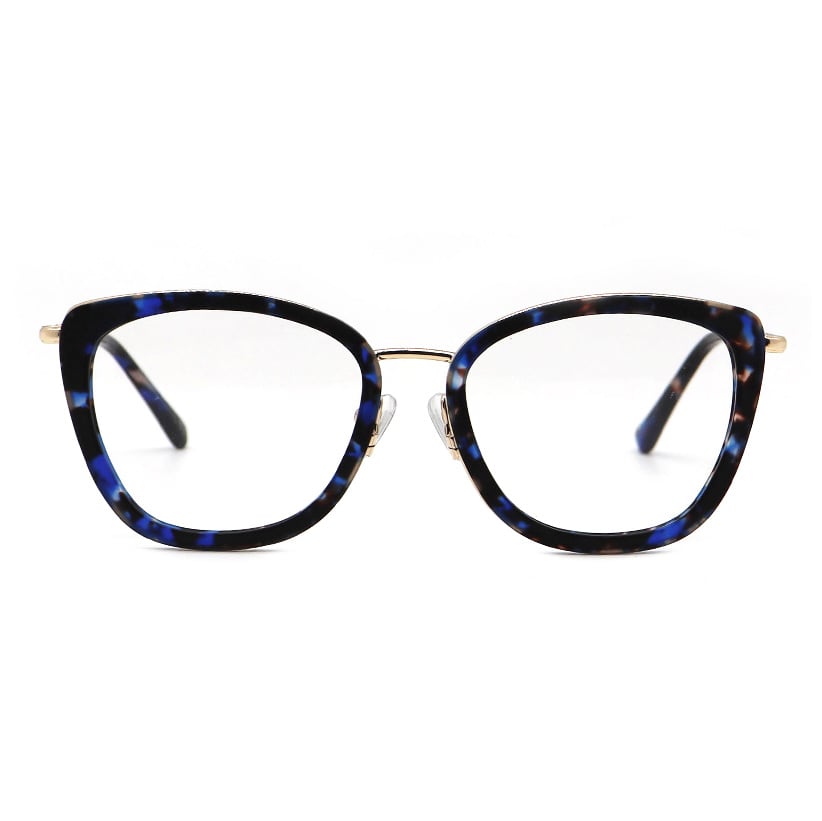
Acetate material offers superior aesthetic qualities, durability, and comfort compared to plastic alternatives. When properly finished, acetate optical frames deliver a luxury feel and superior fit. However, achieving smooth, safe edges requires skilled craftsmanship and attention to multiple finishing stages. The selection of edge finishing techniques impacts production timelines, costs, and final product quality.
Understanding the Edge Finishing Process for Acetate Optical Frames
Why Edge Finishing Matters in Acetate Frame Manufacturing
Raw acetate material emerges from cutting with sharp, uneven edges that pose safety risks and feel uncomfortable against skin. Edge finishing transforms these rough surfaces into smooth, safe, and visually refined edges that enhance wearer comfort and product perception. Handcrafted acetate glasses depend entirely on meticulous edge work because acetate's translucent quality makes any surface imperfection visually apparent. Poor edge finishing compromises both functionality and brand reputation.
The process involves multiple stages including sanding, polishing, beveling, and quality inspection. Each stage removes microscopic material layers and progressively refines the surface texture. For acetate optical frames, the goal is to achieve edges that feel smooth to the touch, reflect light evenly, and maintain structural integrity throughout the frame's lifespan. Investment in proper edge finishing separates premium acetate glasses from budget alternatives.
Core Stages of Edge Finishing
The first stage involves coarse sanding using grinding wheels or sandpaper with lower grit numbers. This removes saw marks, splinters, and major irregularities from the cutting process. Operators must maintain consistent pressure and speed to avoid creating flat spots or uneven surfaces on handcrafted acetate glasses frames. Temperature control is essential because acetate can soften under excessive friction heat.
Progressive sanding follows, using medium and fine-grit materials to refine surface smoothness incrementally. This gradual approach prevents aggressive material removal that could weaken frame structure or create stress points. Each sanding stage prepares the surface for the next, building toward a consistently smooth finish across all frame edges. Proper sequencing of grit progression is fundamental to achieving quality acetate optical frames.
Key Differences in Edge Finishing Approaches
Manual Versus Automated Edge Finishing
Manual edge finishing relies on skilled craftspeople using hand-held tools and traditional techniques to shape and smooth acetate frames. This approach offers superior flexibility for custom designs and complex frame geometries that machines cannot easily process. Handcrafted acetate glasses produced through manual finishing often display superior attention to detail and customization potential. However, manual processes require experienced labor and are less consistent across high production volumes.
Automated edge finishing uses CNC machines and specialized equipment to process frames with precision and consistency. These systems can deliver uniform results across thousands of units while reducing labor costs and production time. Automated approaches work well for standardized acetate optical frames designs but may struggle with highly customized or irregular shapes. Many manufacturers combine both methods, using automation for bulk edge work and manual finishing for details and refinements.
Surface Texture Options and Finishing Techniques
High-gloss polishing creates a reflective, luxury appearance that emphasizes acetate's natural color depth and transparency qualities. This technique requires sequential polishing with fine compounds and felt wheels to achieve mirror-like surfaces. Handcrafted acetate glasses with high-gloss edges convey premium quality and craftsmanship. However, gloss surfaces may show fingerprints and dust more visibly than matte alternatives.
Matte or satin finishing provides a subtle, sophisticated appearance that reduces glare and minimizes visible dust or imperfections. This surface texture is achieved through fine sanding or specialized buffing techniques that create uniform micro-roughness. Many designers prefer matte-finished acetate optical frames for contemporary or minimalist aesthetic directions. The matte approach also provides superior grip comfort and hides daily handling marks better than polished surfaces.
Beveling and Edge Shaping
Beveled edges involve angling the frame's outer surface at a specific degree to create a refined, faceted appearance. Beveling adds visual sophistication and can enhance light refraction across acetate glasses' translucent material. Different bevel angles produce different aesthetic effects, allowing designers to customize the visual character of frames. Beveling requires precision equipment and skilled technique to maintain consistent angles across all frame edges.
Rounded edges prioritize comfort and safety by eliminating sharp corners that could irritate skin or cause injury during handling. This approach is particularly important for frames intended for children or sensitive users. Rounded edges in handcrafted acetate glasses feel more comfortable during extended wear. The technique involves careful radius control during grinding and sanding stages to ensure consistent curvature.
Selecting the Right Edge Finishing Method for Your Acetate Glasses
Production Volume and Timeline Considerations
High-volume manufacturers producing standardized acetate optical frames benefit from automated edge finishing systems that deliver consistent results quickly. These approaches minimize per-unit production costs and ensure uniform quality across large batches. Smaller producers or those specializing in custom acetate glasses may find manual finishing more economical despite higher labor intensity. Timeline requirements directly influence equipment investment and workforce planning decisions.
Custom and limited-edition designs often require manual edge finishing because frames may have unique geometries or specialized shapes. Handcrafted acetate glasses designed for specific markets or aesthetic directions frequently benefit from artisan finishing techniques that showcase frame individuality. Production planning should account for the flexibility needs of your specific frame styles and market positioning.
Quality Standards and Target Market
Premium market segments expect flawless edge finishing with perfectly smooth surfaces and consistent aesthetic details. Acetate optical frames sold at luxury price points require investment in multiple finishing stages, quality inspection, and skilled labor. Consumer expectations in this market segment justify higher production costs because edge quality directly influences perceived value and brand reputation.
Mid-market positioning requires balancing quality standards with cost efficiency. Handcrafted acetate glasses in this segment need reliable edge finishing that meets safety and comfort standards without premium luxury refinement. Selecting finishing methods that efficiently achieve acceptable quality levels supports competitive pricing while maintaining customer satisfaction.
Material Characteristics and Frame Design
Different acetate material types and thicknesses require adjusted finishing approaches. Transparent acetate glasses demand particularly careful edge finishing because imperfections are visually obvious through the material. Solid-color acetate optical frames may permit slightly less rigorous finishing while still meeting quality standards. Frame complexity, including hinges, bridge design, and temple shapes, influences equipment selection and process sequencing.
FAQ
What makes edge finishing different between acetate glasses and plastic frames?
Acetate material's transparency and visual clarity mean that any edge imperfections are immediately apparent, unlike opaque plastic alternatives. Acetate glasses require more meticulous finishing to achieve acceptable quality because surface defects cannot be hidden. Additionally, acetate is more brittle during processing, requiring careful temperature and pressure control to prevent cracking during edge work.
How does handcrafted acetate glasses production affect edge finishing quality?
Handcrafted acetate optical frames benefit from artisan attention to individual frame characteristics and custom adjustments that automated processes cannot provide. Skilled craftspeople can identify subtle quality issues and make real-time adjustments during edge finishing. This approach yields superior results for unique or complex designs but requires experienced labor and cannot be rapidly scaled to high volumes.
What is the relationship between edge finishing and long-term frame durability?
Properly finished edges distribute stress more evenly across acetate frames, reducing the likelihood of cracking or splintering over time. Smooth edges prevent irritation and skin damage during extended wear, supporting customer satisfaction and repeat business. Inadequate edge finishing can create stress points where material gradually degrades, shortening frame lifespan and increasing warranty claims for acetate glasses.



