
 EN
Acetate Glasses Color Range Development: Planning Considerations for Buyers and Brands
Struggling with acetate glasses color selection? Discover data-driven planning for demand, production, & ROI. Optimize your handcrafted acetate optical frames palette now.
Developing a color range for acetate glasses requires careful strategic planning that balances aesthetic appeal, market demand, production feasibility, and brand positioning. Whether you are an independent eyewear brand or a buyer sourcing frames for resale, understanding the key considerations in color range development will help you create offerings that resonate with your target audience while maintaining profitability and operational efficiency. Acetate glasses have become a cornerstone of contemporary eyewear design, offering versatility, durability, and the ability to achieve sophisticated finishes that appeal to fashion-conscious consumers and optical professionals alike.
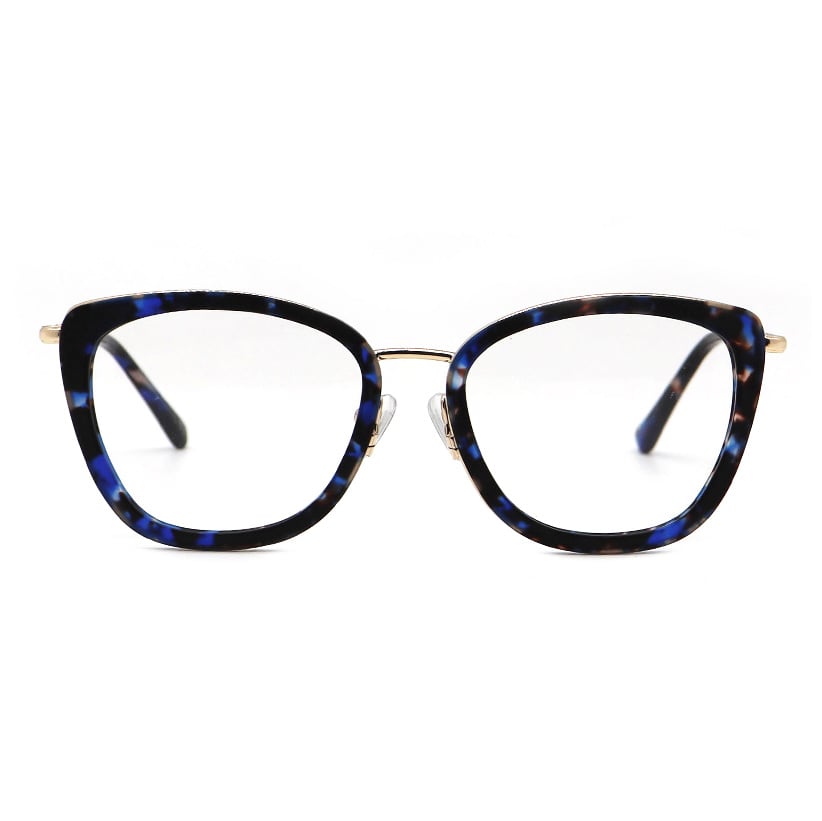
The process of selecting and developing colors for Acetate Glasses is not simply about choosing visually appealing shades. It involves analyzing market trends, understanding your customer demographics, evaluating production capabilities, managing inventory risk, and ensuring that your color selections support both immediate sales and long-term brand consistency. Handcrafted acetate glasses, in particular, offer unique opportunities for creating distinctive color palettes that differentiate your brand in a competitive market. This guide explores the essential planning considerations that buyers and brands must evaluate when developing their acetate optical frames color portfolio.
Market Demand Analysis and Consumer Preferences
Understanding Color Trends in the Eyewear Industry
The eyewear market experiences cyclical color trends driven by fashion seasons, cultural shifts, and consumer lifestyle changes. When planning your handcrafted acetate glasses color range, begin by researching current and emerging color preferences within your target demographic. Neutral tones such as black, brown, and tortoiseshell remain consistently popular for professional and everyday wear, while vibrant colors and pastels gain traction during spring and summer seasons. Understanding these cycles helps you allocate production volume and inventory appropriately across your color lineup.
Social media platforms, fashion publications, and eyewear trade shows provide valuable insights into which colors are gaining momentum. Additionally, analyzing competitor offerings and sales data from similar brands helps you identify white-space opportunities where your acetate optical frames can stand out. Consider surveying your existing customer base or conducting focus groups to gather direct feedback on color preferences. This data-driven approach reduces the risk of investing heavily in colors that may not align with actual consumer demand.
Demographic and Geographic Considerations
Different customer segments and geographic markets display distinct color preferences. Urban professionals may favor sophisticated, understated acetate glasses in classic colors, while younger consumers might gravitate toward bold, trend-forward shades. Geographic location also influences color selection; warmer climates often see stronger demand for lighter colors and sun-protective styles, whereas cooler regions may show preference for deeper, more grounded tones. When developing your handcrafted acetate glasses collection, segment your customer base and tailor your color offerings to match these preferences.
International markets present additional considerations. Colors that perform well in North America may not resonate equally in European or Asian markets. Currency fluctuations, import regulations, and cultural color symbolism all affect how your acetate optical frames will be received globally. Brands and buyers planning multi-market launches should prioritize understanding these regional nuances to ensure their color range strategy maximizes appeal across intended territories.
Production Capacity and Material Sourcing
Manufacturing Constraints and Lead Times
Acetate optical frames production involves working with acetate sheet materials that are sourced from specialized suppliers. Each color variant requires specific material stock, dyes, and processing techniques. Before finalizing your acetate glasses color range, assess your manufacturing partner's capacity to produce the number of styles you plan to offer. Expanding your color palette increases production complexity, potentially extending lead times and raising per-unit costs due to smaller batch runs for each color variant.
Discuss with your manufacturer which colors can be produced efficiently at your desired volume levels. Some handcrafted acetate glasses colors, particularly custom or non-standard shades, may require longer lead times or minimum order quantities that affect your overall business model. Understanding these constraints allows you to make informed decisions about which colors to prioritize in your initial launch and which to introduce in subsequent seasons or collections. Balancing the desire for variety with production realities ensures your supply chain remains sustainable and cost-effective.
Quality Control and Color Consistency
Maintaining consistent color quality across production batches is critical for brand reputation and customer satisfaction. Acetate glasses can exhibit color variation due to batch-to-batch differences in material sourcing or processing techniques. When planning your color range, establish clear quality standards and work with your manufacturer to implement rigorous testing protocols. Document color specifications using industry-standard systems such as Pantone or LAB color measurement to ensure reproducibility.
Test acetate optical frames samples under various lighting conditions—daylight, LED, and fluorescent light—to verify that colors appear consistent and as intended. This process becomes more complex when introducing custom colors or limited-edition shades for your handcrafted acetate glasses line. Building quality checkpoints into your development timeline prevents expensive rework or customer returns due to color mismatches, ultimately protecting your brand's credibility and profitability.
Inventory Management and Financial Planning
Balancing Variety with Inventory Risk
Every additional color in your acetate glasses lineup increases inventory complexity and carries financial risk. Slow-moving colors tie up capital, storage space, and create potential obsolescence if trends shift. When developing your acetate optical frames color range, use historical sales data and market forecasts to project demand for each color variant. Implement a tiered approach: launch with a core range of best-performing colors, monitor sales velocity, and gradually introduce secondary colors based on validated demand signals.
Consider implementing seasonal color rotations where certain handcrafted acetate glasses shades are available only during specific periods. This strategy maintains freshness, encourages repeat purchasing, and reduces long-term inventory burden. Collaboration with your manufacturer on flexible production scheduling allows you to respond to mid-season demand shifts without being locked into large, non-adjustable orders placed months in advance. Financial modeling that accounts for carrying costs, markdown risk, and opportunity cost of capital should inform your color range size decision.
Pricing Strategy and Color Segmentation
Different colors can command different price points based on production complexity, material costs, and perceived value. Standard colors like black or clear acetate may support lower pricing, while custom or hand-mixed colors for your acetate glasses collection can justify premium pricing. Develop a pricing strategy that reflects the actual cost structure of each color variant while remaining competitive in your market segment. This approach allows you to optimize margin across your entire acetate optical frames range.
Premium handcrafted acetate glasses in unique colors can serve as anchor products that enhance your brand's perceived quality and justify higher margins overall. Consider offering limited-edition color releases that create urgency and allow you to test new shades with lower inventory commitment before deciding whether to add them to your permanent collection. This testing approach provides valuable market feedback while managing financial risk effectively.
FAQ
How many colors should an acetate glasses brand launch with?
Most successful brands launch with 4–8 core colors in their handcrafted acetate glasses collection, focusing on timeless neutrals and proven bestsellers. This approach balances offering variety with manageable inventory and production complexity. After establishing baseline demand data, brands can expand to 12–15 colors within the first year. The right number depends on your target market, production capacity, and financial resources, but prioritizing quality and consistency in fewer colors typically outperforms offering too many mediocre options.
What is the most popular color for acetate optical frames?
Black acetate glasses consistently rank as the top-selling color globally due to their versatility, professional appearance, and flattering nature across diverse skin tones. Tortoiseshell and brown tones represent the second tier of popularity, offering warmth and visual interest while maintaining broad appeal. For acetate glasses, these neutral-based colors typically account for 50–60% of total sales volume, making them essential anchors in any well-planned color range strategy.
Can acetate glasses colors be customized for small orders?
Customizing acetate optical frames colors is possible but typically requires minimum order quantities ranging from 100 to 500 units per color, depending on your manufacturer. Handcrafted acetate glasses with bespoke colors incur higher per-unit costs due to setup, material waste, and production complexity. For buyers considering custom colors, bulk ordering or partnering with other brands to share production runs can make customization economically feasible. Always confirm your manufacturer's customization minimums and lead times before committing to exclusive color development.



