
 EN
Color Layer Separation in Laminated Acetate Eyewear: Causes and Corrective Actions
Explore causes of acetate eyewear color layer delamination. Learn material, thermal & process controls to avoid lamination defects for premium acetate frames.
Color layer separation represents one of the most challenging quality issues in laminated acetate eyewear manufacturing. This defect occurs when the multiple layers of colored acetate material begin to delaminate or peel apart from one another, compromising both the visual appeal and structural integrity of the finished eyewear. Understanding the root causes and implementing corrective actions is essential for manufacturers aiming to deliver premium acetate frames that meet customer expectations and withstand the test of time.
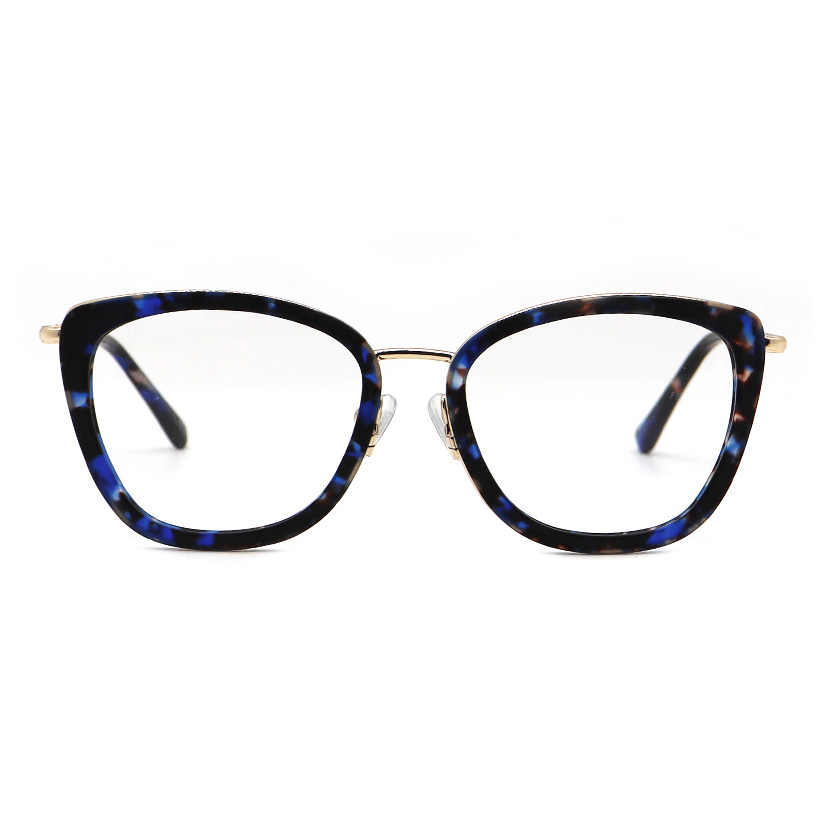
Laminated acetate eyewear design relies on precise adhesion between layers to create striking visual effects and unique aesthetics that consumers value. When color layer separation occurs, it not only diminishes the product appearance but also signals potential manufacturing or material defects that may affect durability. This article explores the underlying causes of lamination failure and the practical corrective strategies that manufacturers employ to prevent this issue and ensure their acetate eyewear maintains consistent quality.
Root Causes of Color Layer Separation in Laminated Acetate Eyewear
Material Quality and Adhesive Properties
The primary driver of color layer separation in acetate frames lies in the quality of both the acetate material itself and the adhesive used to bond the layers. Low-grade acetate contains inconsistencies in molecular structure, surface contamination, or excessive moisture content that prevents proper bonding. When handcrafted acetate is produced using substandard materials, the adhesive cannot achieve strong chemical and mechanical bonds between layers. Additionally, adhesive formulations that lack adequate flexibility or cure properties fail to accommodate the natural expansion and contraction of acetate during temperature fluctuations, leading to stress-induced separation.
Environmental Exposure and Thermal Stress
Temperature cycling and humidity exposure represent significant environmental factors that trigger delamination in custom acetate eyewear. Acetate material expands and contracts at different rates than the adhesive layer, creating internal stress when environmental conditions change rapidly. Extended exposure to sunlight, heat sources, or moisture-rich environments accelerates this process. Handcrafted acetate frames subjected to warehouse conditions without climate control or end-user environments with extreme temperature swings experience increased separation risk. The thermal stress becomes particularly severe in laminated designs where multiple layers expand at different rates, generating shear forces that weaken adhesive bonds over time.
Manufacturing and Processing Factors Contributing to Delamination
Lamination Technique and Pressure Control
The lamination process itself directly determines whether color layer separation will occur in finished acetate eyewear. Inadequate pressure during the lamination stage prevents proper contact between acetate layers and adhesive, resulting in weak bonding. Conversely, excessive pressure can cause dimensional distortion or adhesive bleeding that compromises structural integrity. The heating profile during lamination is equally critical; insufficient curing temperature prevents the adhesive from fully cross-linking, while excessive heat can degrade both the acetate material and adhesive properties. Manufacturers producing custom acetate frames must maintain precise control over pressure, temperature, and curing time to achieve consistent results across all production batches.
Surface Preparation and Contamination Management
Before lamination, acetate material surfaces must be meticulously cleaned and prepared to ensure adhesive contact and bonding. Dust, oils, residual polishing compounds, or mold release agents create barriers that prevent proper adhesion between layers. Many acetate frames suffer delamination because the lamination process proceeded without thorough surface preparation. Manufacturers employing rigorous cleaning protocols and contamination control significantly reduce separation defects. Handcrafted acetate production environments require dedicated cleaning stations, controlled humidity levels, and regular quality inspections to maintain surface integrity throughout the manufacturing workflow.
Corrective Actions and Quality Prevention Strategies
Material Specification and Supplier Qualification
Preventing color layer separation in acetate eyewear begins with strict material specifications and supplier qualification processes. Manufacturers must source acetate material from reputable suppliers who maintain consistent quality standards and can provide technical documentation regarding moisture content, color stability, and adhesive compatibility. Custom acetate producers should establish incoming material testing protocols that verify physical properties before materials enter the lamination process. Adhesive selection should be based on thorough compatibility testing with the specific acetate formulations used in production. Regular audits of supplier facilities and batch-level testing reinforce quality assurance and identify potential issues before they affect finished acetate frames.
Process Control and Environmental Management
Implementing robust process controls directly reduces delamination incidents in laminated acetate eyewear manufacturing. Operators must monitor and document lamination pressure, temperature, and curing time for each batch. Environmental controls including climate-controlled production areas, humidity management systems, and temperature monitoring devices minimize exposure-related stress during manufacturing. Handcrafted acetate eyewear requires dedicated storage facilities that maintain stable temperature and humidity levels to prevent pre-production delamination. Post-production handling must also be controlled; acetate frames should be stored in protective packaging and transported in temperature-stable conditions to preserve the integrity of laminated bonds.
Testing and Quality Assurance Protocols
Comprehensive testing protocols identify delamination defects before products reach customers. Visual inspection under controlled lighting reveals color layer separation, lifting, or peeling at frame edges and surface areas. Adhesion strength testing using tensile or shear testing methods quantifies bond integrity and identifies weak laminations. Thermal cycling tests simulate customer usage conditions and reveal delamination issues that emerge under real-world temperature variations. Moisture absorption testing on acetate eyewear samples indicates whether material stability meets design specifications. Manufacturers implementing these quality assurance measures ensure that custom acetate frames and handcrafted acetate products meet durability standards and customer expectations.
FAQ
What specific conditions trigger color layer separation in acetate frames?
Color layer separation in acetate frames is triggered by a combination of factors including inadequate material quality, weak adhesive bonds, temperature cycling, humidity exposure, and manufacturing defects such as poor surface preparation or improper lamination pressure. The issue typically emerges when multiple contributing factors coincide, such as low-grade acetate material combined with environmental exposure or when handcrafted acetate undergoes rapid temperature changes without climate protection.
How can manufacturers detect lamination defects before acetate eyewear reaches customers?
Manufacturers detect lamination defects through visual inspection for visible peeling or lifting at frame edges, adhesion strength testing to measure bond integrity, thermal cycling tests that simulate customer usage conditions, and moisture absorption testing that reveals material stability issues. Regular sampling from each production batch combined with 100 percent visual inspection of high-risk areas ensures that defective custom acetate and handcrafted acetate products are identified and removed from the distribution pipeline.
Can lamination defects be repaired on finished acetate eyewear?
Lamination defects on finished acetate eyewear are generally not economically repairable due to the complexity of reversing existing delamination and re-laminating without affecting frame geometry, surface finish, or cosmetic appeal. Manufacturers prioritize defect prevention through rigorous process control and quality assurance rather than pursuing post-production repairs. Custom acetate frames found to have delamination issues are typically replaced rather than repaired, making prevention significantly more cost-effective than attempting to remediate compromised handcrafted acetate products after manufacturing completion.



