
 EN
Forming and Welding Steps in Titanium Glasses Production: Manufacturing Considerations for OEM/ODM Projects
Master titanium glasses forming, welding & heat treatment for OEM ODM. Learn beta titanium production processes, QC and lead time for lightweight eyewear.
Manufacturing titanium glasses requires precise control over forming and welding processes to achieve the durability, comfort, and aesthetic qualities that modern eyewear markets demand. For OEM and ODM projects, understanding these critical steps ensures product consistency, reduces manufacturing defects, and meets both performance specifications and cost targets. This guide explores the essential manufacturing considerations that differentiate successful titanium glasses production from standard metal frame manufacturing.
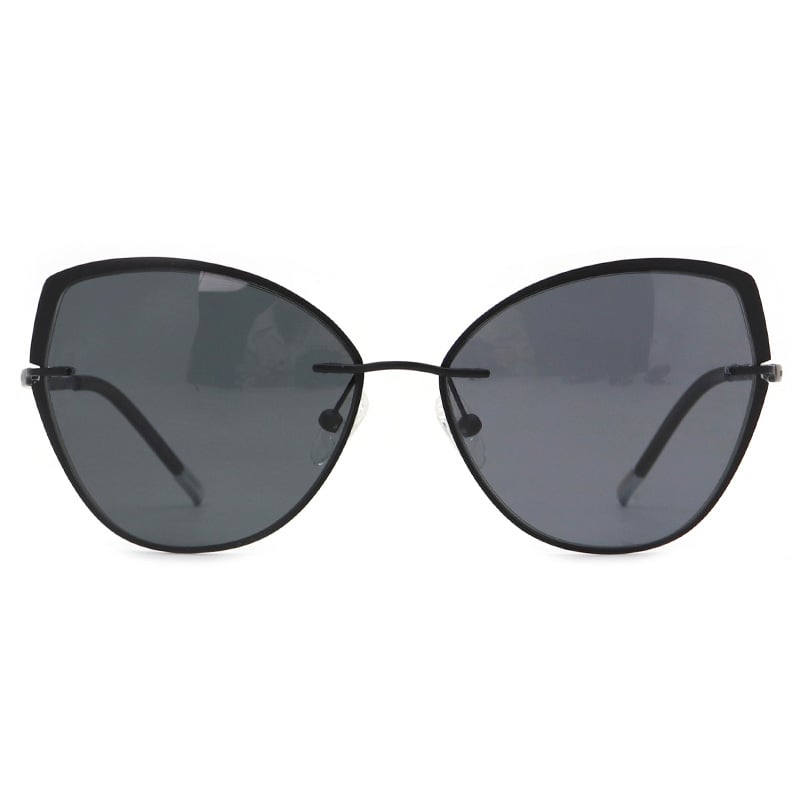
Lightweight titanium glasses have become the preferred choice for premium eyewear applications, offering superior strength-to-weight ratios compared to conventional materials. The material's inherent properties, including corrosion resistance, hypoallergenic characteristics, and optical clarity when used in frame construction, make it an ideal material for both designer and functional eyewear lines. However, the manufacturing complexity of titanium glasses demands specialized equipment, trained personnel, and rigorous quality control protocols throughout every production stage.
Understanding Material Properties and Pre-Production Planning
Beta Titanium Glasses and Alloy Selection
Beta titanium glasses are engineered using titanium alloys that contain beta-phase stabilizing elements, which enhance flexibility and reduce brittleness compared to pure titanium. These alloys exhibit superior springback properties, allowing frames to return to their original shape after minor deformation, a critical feature for eyewear durability. When selecting materials for titanium glasses production, manufacturers must evaluate alloy composition, supplier consistency, and compliance with medical-grade standards if required for specific markets.
Proper material sourcing directly impacts the success of forming and welding operations. High-purity titanium ingots and pre-formed blanks must meet dimensional tolerances before they enter the production line. OEM and ODM partners should establish material specifications, conduct batch testing, and maintain traceability documentation for each production run to ensure lightweight titanium glasses meet customer expectations and regulatory requirements.
Design Considerations for Manufacturability
Frame geometry directly affects forming feasibility and welding accessibility. Designers must balance aesthetic aspirations with manufacturing constraints inherent to titanium glasses production. Complex curves, thin wall sections, and integrated hinge designs require specialized tooling and may increase production time. Early collaboration between design and manufacturing teams ensures that lightweight titanium glasses can be produced efficiently while maintaining structural integrity and visual appeal.
Forming Processes for Titanium Glasses Frames
Cold Forming and Heat Treatment
Cold forming is the dominant method for creating titanium glasses shapes due to titanium's excellent ductility in annealed conditions. The process involves bending, stamping, and stretching pre-annealed titanium sheet or wire into the desired frame geometry. Beta titanium glasses benefit from controlled annealing cycles that optimize grain structure and reduce residual stress before and between forming operations. Temperature control is critical; excessively high temperatures can cause grain growth and reduced strength, while insufficient annealing leads to work hardening and potential cracking.
Heat treatment protocols for titanium glasses production typically involve heating to 700–900 degrees Celsius depending on alloy composition, holding for specified durations, and controlled cooling. This process relieves internal stresses accumulated during forming, improves machinability for subsequent finishing operations, and enhances the material's response to final hardening treatments. Manufacturers must invest in precision furnaces, controlled atmosphere chambers, and temperature monitoring systems to ensure consistency across multiple production batches of lightweight titanium glasses.
Precision Tooling and Die Design
Forming tools for titanium glasses require exceptional durability because titanium's high strength demands greater pressure and generates more heat during stamping and bending operations. Tool steel or carbide dies must be specially hardened and polished to prevent material adhesion and transfer. The design of dies for titanium glasses production incorporates gradual pressure application, strategic cooling channels, and wear-resistant coatings to extend tool life and maintain dimensional accuracy across production runs.
Progressive die systems allow manufacturers to produce multiple frame components simultaneously, reducing cycle time and improving consistency in lightweight titanium glasses production. However, initial tool investment is substantial, making it essential for OEM and ODM partners to forecast production volumes and plan accordingly. Custom tooling for beta titanium glasses frames can require lead times of 8–12 weeks and represents a significant capital commitment.
Welding and Assembly Integration
Welding Methods for Titanium Frames
Welding titanium glasses components demands strict environmental control and specialized equipment to prevent oxidation and maintain joint integrity. Laser welding is the industry standard for premium titanium glasses production, offering precision focal points, minimal heat distortion, and clean welds without filler material. Spot welding and resistance welding are alternative methods for specific joint geometries, though they require careful parameter selection to avoid brittle weld zones characteristic of titanium.
The fundamental challenge in welding titanium glasses lies in preventing atmospheric contamination. Oxygen and nitrogen absorption above 500 degrees Celsius causes embrittlement and joint failure. Manufacturers employ inert gas shielding, vacuum chambers, or backflow protection to create an oxygen-free environment during welding operations. For lightweight titanium glasses and beta titanium glasses alike, maintaining weld quality directly impacts product reliability and customer satisfaction in the eyewear market.
Quality Control and Post-Weld Treatment
Post-weld heat treatment is mandatory for all structural titanium glasses welded joints to restore ductility and eliminate residual stress. This process follows similar annealing protocols as pre-forming treatments but requires tighter temperature control to avoid overheating the weld zone. Ultrasonic testing, X-ray inspection, and dye penetrant testing are routine quality assurance methods for verifying weld integrity in premium titanium glasses production lines.
Assembly of sub-components into complete titanium glasses frames requires careful sequencing to minimize re-work and maintain dimensional control. Hinge assembly, bridge welding, and nose pad attachment must follow established procedures with documented torque specifications and material compatibility checks. OEM and ODM manufacturers must maintain production logs showing welding parameters, inspection results, and heat treatment certifications for full traceability.
Manufacturing Considerations for OEM and ODM Success
Capacity Planning and Lead Times
Producing titanium glasses at commercial scale requires significant infrastructure investment beyond basic metal working capabilities. Material procurement, forming tool fabrication, welding equipment qualification, and quality assurance setup typically span 3–4 months before production can begin. OEM partners should budget for prototype validation runs, process optimization, and staff training before committing to high-volume production.
Lead times for lightweight titanium glasses projects are longer than standard metal frame manufacturing due to extended annealing cycles, specialized tooling requirements, and rigorous quality checkpoints. A typical titanium glasses project may require 8–16 weeks from design approval to first production shipment, compared to 6–10 weeks for conventional materials. ODM providers managing beta titanium glasses orders must communicate these timelines clearly to customers and build buffer capacity for quality optimization.
Cost Structure and Value Proposition
Material costs for titanium glasses are approximately 2–3 times higher than standard metal alloys, reflecting the premium properties and specialized sourcing requirements. Labor intensity also increases due to careful handling procedures, extended heat treatment cycles, and rigorous inspection protocols. However, the superior durability, hypoallergenic properties, and luxury positioning of lightweight titanium glasses support higher retail margins that compensate manufacturers for production complexity.
Economies of scale in titanium glasses production emerge at approximately 5,000–10,000 units per SKU, where tooling amortization, material volume discounts, and process optimization become significant. Smaller OEM orders below these thresholds face proportionally higher unit costs but may still achieve acceptable margins through premium brand positioning and differentiated designs in the eyewear market.
FAQ
What is the typical defect rate during titanium glasses manufacturing?
Defect rates for well-managed titanium glasses production typically range from 2–5%, primarily from weld quality issues, forming tool wear, and heat treatment inconsistencies. Beta titanium glasses and lightweight titanium glasses manufacturers using automated processes and rigorous quality control achieve sub-2% defect rates. Continuous process optimization, preventive maintenance, and operator training are essential for maintaining low defect levels in high-volume production environments.
Can titanium glasses be repaired if welded joints fail?
Repair of failed weld joints in titanium glasses is technically possible but economically challenging. The cost and time required for re-welding, re-heat treatment, and re-testing often exceed the material value, making rework unviable for most eyewear applications. Prevention through rigorous quality control during initial manufacturing is far more cost-effective than managing field repairs or warranty replacements for titanium glasses customers.
Are there environmental considerations for titanium glasses production?
Titanium glasses manufacturing generates minimal chemical waste because the processes rely on mechanical forming and inert gas welding rather than chemical treatments. However, energy consumption for annealing furnaces and welding equipment is substantial, and proper disposal of titanium scrap requires specialized recycling facilities. OEM and ODM manufacturers committed to sustainability should evaluate renewable energy options and establish scrap recovery partnerships to reduce environmental impact while maintaining lightweight titanium glasses quality standards.



