
 EN
Wire Thickness and Flex in Titanium Glasses Frame Designs: A Technical Guide for Eyewear Buyers
Learn how wire gauge impacts titanium glasses flex, comfort and durability. Compare pure & beta titanium wire thickness for lightweight eyewear design.
When selecting eyewear, the structural integrity and comfort of titanium glasses depend significantly on wire thickness and flex characteristics. Understanding these technical aspects helps buyers make informed decisions about frame durability, wearability, and long-term value. Wire gauge, material composition, and design geometry work together to determine how a frame performs under daily stress, environmental changes, and individual usage patterns. This technical guide explores the relationship between these factors and their practical impact on eyewear performance and user satisfaction.
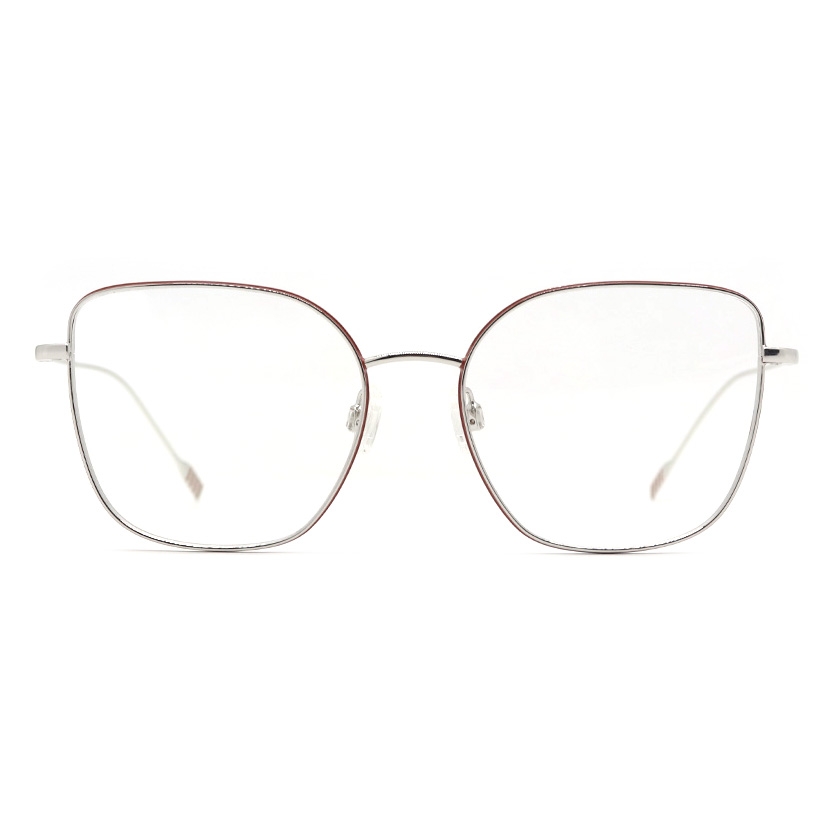
Lightweight titanium glasses have revolutionized the eyewear industry by offering superior strength-to-weight ratios compared to traditional materials. Beta titanium glasses provide additional flexibility and spring properties that enhance comfort during extended wear. The specific wire thickness in frame designs directly influences how these materials perform, affecting both structural resilience and user experience in measurable ways.
Wire Thickness Fundamentals in Frame Design
Gauge Standards and Material Selection
Wire thickness in eyewear manufacturing is typically measured in millimeters, ranging from 0.6mm to 1.2mm for most commercial frame designs. Titanium glasses incorporate precise gauge specifications because titanium responds differently to stress than conventional metals. The strength of titanium allows engineers to use thinner wire while maintaining structural integrity, a key advantage that lightweight titanium glasses leverage for comfort. Material purity and alloy composition further affect how wire thickness performs under tension, temperature fluctuation, and repetitive flexing.
Beta titanium glasses utilize slightly different gauge ranges because their titanium alloy composition includes elements like molybdenum and vanadium that enhance spring memory and flexibility. Thinner gauge wires in beta titanium formulations can withstand more flex cycles without permanent deformation. This property allows frame designers to create titanium glasses that balance strength with reduced overall weight, meeting the dual demands of durability and comfort that modern eyewear buyers expect.
Impact on Frame Weight Distribution
The relationship between wire thickness and total frame weight is non-linear when working with titanium materials. Reducing wire gauge from 1.0mm to 0.8mm in titanium glasses can decrease frame weight by 20 to 30 percent while preserving structural performance. Lightweight titanium glasses benefit from this property because the material's inherent strength allows designers to optimize gauge without sacrificing durability. Proper weight distribution across bridge and temple areas requires careful calculation of wire thickness to prevent stress concentration in vulnerable zones.
Flex Characteristics and Comfort Performance
Spring Memory and Elastic Behavior
Flex in eyewear refers to the frame's ability to deform under pressure and return to its original shape without permanent distortion. Beta titanium glasses excel in this area due to their specialized alloy composition, which provides superior spring memory compared to pure titanium formulations. Wire thickness directly determines how much force is required to achieve flexing, and proper gauge selection ensures that lightweight titanium glasses remain comfortable during all-day wear while resisting accidental damage. The elastic limit of titanium is significantly higher than plastic or standard metal alternatives, allowing frames to flex safely within intended design parameters.
When wire thickness is too thin, frames become overly flexible, leading to loss of optical alignment and reduced structural stability. Conversely, excessively thick wire reduces comfort by limiting the frame's ability to accommodate head shape variations and movement. Titanium glasses achieve optimal balance when wire gauge is precisely calibrated to the specific alloy composition and intended use case. Engineers use finite element analysis to model stress distribution and predict flex behavior across different wire thickness profiles.
Temperature and Environmental Stress
Titanium materials respond to temperature changes differently than conventional frame materials, and wire thickness significantly influences this response. Lightweight titanium glasses maintain their flex characteristics across a wider temperature range because titanium has a lower thermal expansion coefficient than many alternative materials. Beta titanium glasses specifically show enhanced stability in fluctuating temperatures due to their alloy composition. Wire thickness in these frames must account for potential stress from rapid temperature shifts, such as moving between air-conditioned environments and outdoor heat.
Proper wire gauge in titanium glasses ensures that seasonal variations and environmental exposure do not degrade frame performance or create uncomfortable pressure points. The combination of appropriate wire thickness and titanium's material properties allows eyewear to maintain consistent optical performance and comfort regardless of ambient conditions.
Technical Considerations for Frame Longevity
Fatigue Resistance and Durability
Frame fatigue occurs when repeated flexing causes microscopic damage to metal structure, eventually leading to cracking or permanent deformation. Titanium glasses resist fatigue remarkably well compared to alternative materials, but wire thickness remains critical to long-term durability. Lightweight titanium glasses designed with optimal wire gauge can withstand hundreds of thousands of flex cycles before experiencing degradation. Beta titanium glasses often show superior fatigue resistance because their alloy composition includes elements that strengthen the material's crystalline structure.
Manufacturers conducting accelerated life testing on titanium glasses use standardized protocols to evaluate how wire thickness affects longevity. A frame with undersized wire may fail sooner under cumulative stress, while oversized wire increases weight and reduces comfort without proportional durability benefits. The optimal wire thickness for any given frame design represents the precise point where strength, comfort, and weight achieve equilibrium.
Corrosion and Surface Degradation
Titanium's corrosion resistance is one of its defining advantages, and this property extends the service life of titanium glasses significantly. Wire thickness influences surface area exposure and internal stress concentrations that can create sites for corrosion initiation. Properly proportioned titanium glasses maintain uniform wire thickness, avoiding sharp transitions that could trap moisture or corrosive agents. Beta titanium glasses benefit from additional corrosion resistance due to alloy elements that further protect against environmental degradation.
Surface finish and coating applications work in conjunction with wire thickness to enhance corrosion protection. Thinner wire in titanium glasses requires higher precision manufacturing to maintain consistent surface quality, as any defects become more problematic on smaller cross-sections. Lightweight titanium glasses achieve extended lifespan through careful control of both wire gauge and finishing processes.
FAQ
How does wire thickness affect the comfort of titanium glasses during extended wear?
Wire thickness directly influences how much force is needed to flex the frame, which affects comfort during all-day wear. Thinner gauge wires in titanium glasses allow more responsive flexing that accommodates head shape and movement, while thicker wires reduce this adaptability. Lightweight titanium glasses use optimized wire thickness that balances comfort with structural integrity, ensuring that frames flex enough for comfort but not so much that optical alignment suffers. Beta titanium glasses benefit from superior spring properties, allowing slightly thinner wires to provide excellent comfort without sacrificing durability.
What is the difference between standard titanium and beta titanium in terms of wire gauge requirements?
Beta titanium glasses can use slightly thinner wire than pure titanium formulations because their alloy composition provides enhanced strength and spring memory. The addition of elements like molybdenum and vanadium increases the material's elastic properties, allowing designers to reduce wire gauge by 0.1 to 0.2mm while maintaining comparable durability. This capability makes lightweight titanium glasses based on beta titanium formulations even lighter and more comfortable, while preserving the long-term structural performance that buyers expect. Titanium glasses manufacturers select wire thickness based on the specific alloy composition to maximize both performance and comfort.
How can eyewear buyers assess whether wire thickness is appropriate for their needs?
Professional eyewear fitting should include assessment of how the frame flexes and adapts to individual head shape and movement. Titanium glasses with appropriate wire thickness should flex slightly under gentle hand pressure but return immediately to original shape without visible distortion. Lightweight titanium glasses should feel secure without creating uncomfortable pressure points behind the ears or across the bridge. Beta titanium glasses often demonstrate superior responsiveness to pressure, indicating well-engineered wire gauge. Buyers can request information about wire specifications from manufacturers and discuss how gauge selection relates to their intended usage patterns and comfort requirements.



