
 EN
Improving Yield Rates in Acetate Eyewear Cutting and Milling: Practical Quality Control Steps
Discover proven QC steps for material, tools, calibration & coolant—cut waste, boost consistency. Download checklist.
Acetate eyewear production represents a significant investment in precision manufacturing and material quality. When cutting and milling acetate frames, manufacturers face inherent challenges that directly impact yield rates and profitability. Understanding how to systematically improve these rates through practical quality control measures is essential for any eyewear facility aiming to remain competitive and efficient. This guide explores actionable steps that can meaningfully reduce waste, enhance consistency, and ultimately increase the value extracted from each batch of acetate material.
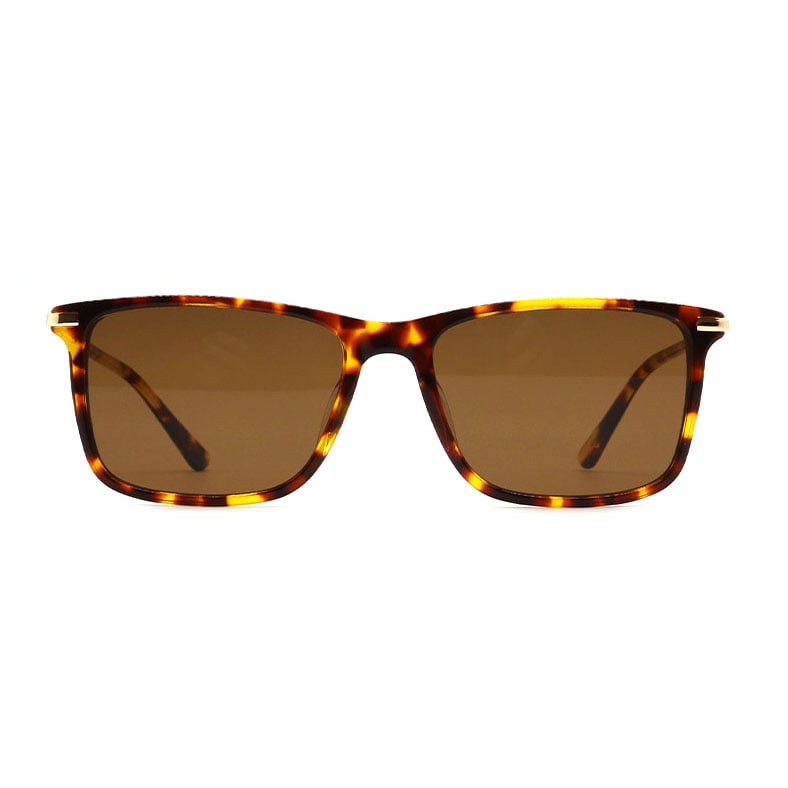
The eyewear industry depends heavily on the quality of raw materials and the precision of machining operations. Acetate frames, whether handcrafted acetate or mass-produced custom acetate designs, require careful attention at every stage of cutting and milling. Even small deviations in temperature, tool sharpness, or feed rate can result in cracks, dimensional errors, or surface defects that render finished pieces unusable. By implementing structured quality control protocols, manufacturers can catch and prevent these issues before they become costly rejections.
Material Selection and Storage as Foundational Quality Control
Choosing Premium Acetate Stock
The quality of your finished Acetate Eyewear begins with the selection of raw acetate material. Not all acetate sheets are created equal; premium suppliers provide material with consistent color distribution, uniform thickness, and minimal internal stress. When sourcing acetate frames or handcrafted acetate materials, insist on certifications that verify material specifications. Verify batch consistency by sampling from different parts of each shipment and testing for hardness, clarity, and dimensional stability. Poor material choice amplifies defects during cutting and milling, directly reducing yield rates before any machining begins.
Environmental Control for Acetate Storage
Acetate is hygroscopic and absorbs moisture from humid air, which causes dimensional instability and brittleness during machining. Store acetate frames and all acetate eyewear materials in climate-controlled environments where humidity remains between thirty and fifty percent and temperature stays steady. Expose material to workshop conditions only immediately before cutting and milling. Even brief exposure to humidity can introduce internal stresses that lead to cracking when tools engage the material. Proper storage extends material life and significantly improves yield by preventing degradation before any actual machining occurs.
Precision Tool Management and Equipment Calibration
Tool Sharpness and Replacement Schedules
Dull cutting tools generate excessive heat and chatter, which causes surface cracking and dimensional inaccuracy in custom acetate and handcrafted acetate frames. Establish a strict tool replacement or resharpening schedule based on actual cutting time rather than calendar intervals. Monitor cutting force, surface finish quality, and dimensional consistency to signal when tools need maintenance. Sharp tools produce cleaner cuts with less thermal stress, directly improving yield rates and reducing the number of pieces rejected due to surface defects. Train operators to recognize signs of tool wear and empower them to request tool changes without delays.
Machine Calibration and Setup Verification
Acetate eyewear cutting machines must be calibrated regularly to maintain dimensional accuracy and prevent chatter marks. Check spindle runout, table flatness, and fixture alignment before each production run. Use precision gauges to verify that the first piece off each machine matches design specifications exactly. Many manufacturers skip this step to save time, but the cost of a few rejected pieces quickly outweighs the time investment in proper setup. Calibration ensures that custom acetate and handcrafted acetate frames meet tolerances consistently, reducing downstream rework and rejection rates that erode yield.
Machining Parameters and Real-Time Monitoring
Optimal Feed Rates and Cutting Speeds
Each acetate material grade requires specific cutting speeds and feed rates to minimize heat generation and stress. Too fast, and friction melts the material; too slow, and tool drag increases internal cracking. Work with your material supplier and machine manufacturer to establish baseline parameters for your specific acetate eyewear stock. Test these parameters on sample batches before full production runs. Adjust speeds based on observed surface finish, tool temperature, and deflection. This empirical approach to acetate frames machining prevents bulk rejects and proves far more cost-effective than guessing optimal settings.
Coolant Selection and Application
Proper coolant reduces heat and improves tool life during cutting and milling of custom acetate and handcrafted acetate materials. However, the wrong coolant can cause stress cracking or discoloration in acetate eyewear. Use only coolants specifically formulated for acetate and plastics, and apply them consistently at the correct flow rate. Mist or flood cooling methods must be chosen based on machine type and material thickness. Inadequate cooling drives temperatures that crack material; excessive coolant application can introduce moisture and cause residual stress. Consistent coolant application supports uniform yield across all production batches.
FAQ
What is the primary cause of yield loss in acetate eyewear manufacturing?
The primary causes are tool wear, improper cutting speeds, inadequate coolant application, and moisture-induced material brittleness. Each of these factors creates internal stress that manifests as cracks or dimensional errors during acetate frames cutting and milling. Addressing these root causes through systematic quality control is far more effective than attempting to recover yield after defects occur.
How often should machines be recalibrated for cutting acetate eyewear?
Machines should be calibrated at the start of each production shift, before switching to a different acetate material specification, and whenever the first piece inspection reveals dimensional drift. This frequency prevents accumulated error and ensures that custom acetate and handcrafted acetate frames maintain consistent quality. Regular calibration, though time-intensive, prevents far larger losses from rejected batches.
Can environmental conditions really affect acetate eyewear yield?
Yes, humidity and temperature fluctuations directly influence acetate material properties and machining results. Acetate absorbs moisture and expands when exposed to humid air, then shrinks in dry conditions, causing stress and cracking. Maintaining stable storage conditions ensures that acetate frames arrive at the cutting machine in optimal condition, significantly improving yield rates and consistency.



