
 EN
Surface Bubbles in Injection Molded TR90 Eyewear: Causes and Corrective Actions
Discover root causes (moisture, venting, temp) and proven corrective actions. Improve yield & aesthetics now.
Surface bubbles represent one of the most persistent quality challenges in injection molding of TR90 Eyewear, compromising both aesthetics and structural integrity of flexible glasses. These voids occur during the molding process when air becomes trapped within the thermoplastic polyamide material, creating visible defects that reduce consumer appeal and may weaken the frame. Understanding the root causes and implementing targeted corrective actions is essential for manufacturers seeking to maintain consistent quality in TR90 frames production.
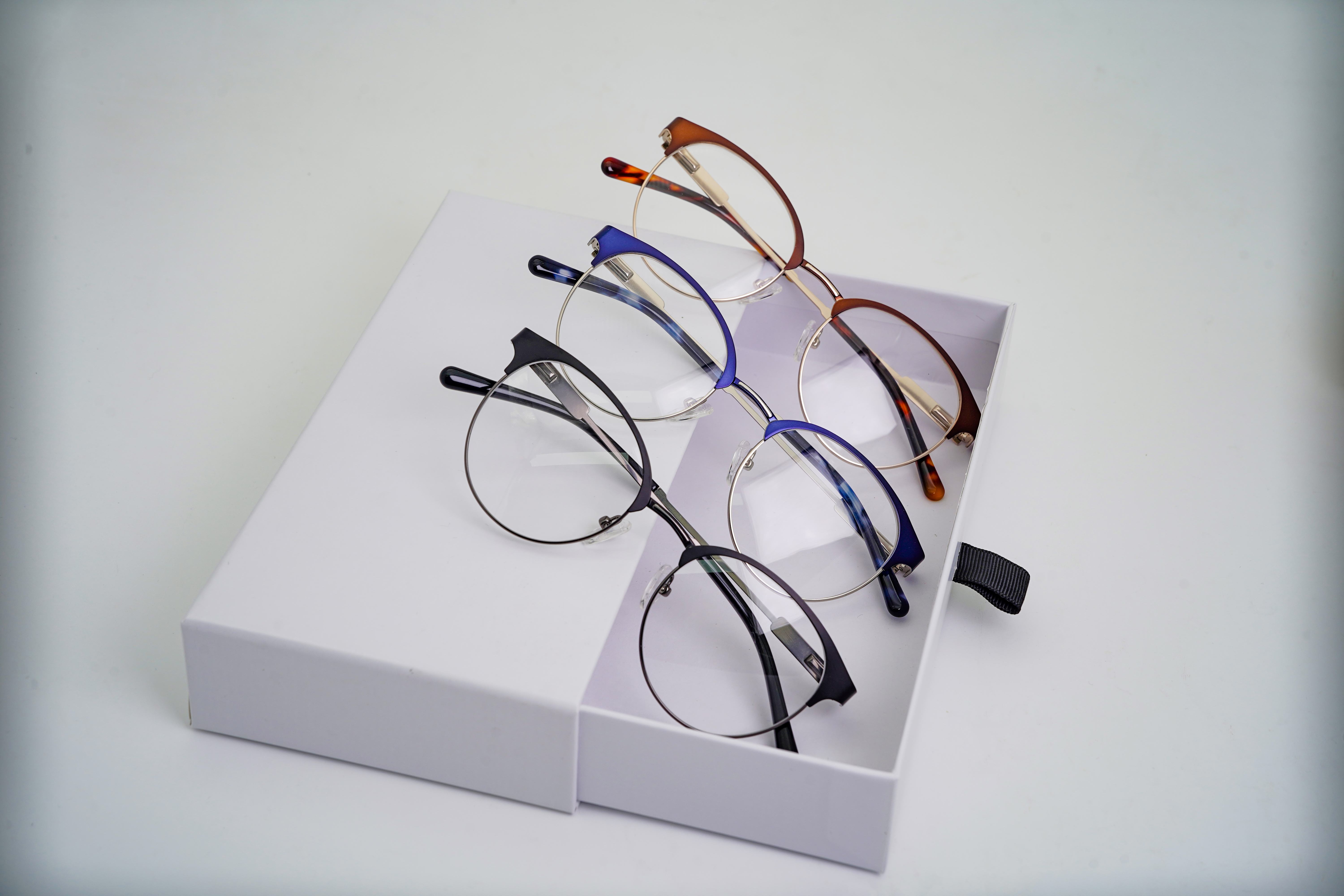
The formation of surface bubbles in memory plastic eyewear occurs through multiple interconnected mechanisms during the injection process. Material temperature, injection pressure, mold design, and atmospheric conditions all contribute to bubble nucleation and growth within tr90 frames. Addressing these factors systematically allows manufacturers to achieve superior surface finish and eliminate defects that compromise the visual quality and market readiness of flexible glasses.
Understanding Bubble Formation Mechanisms in TR90 Production
Gas Entrapment During Injection
When molten tr90 material flows into the cavity, air pockets become entrapped if the mold design does not provide adequate vent channels. The rapid filling rate in injection molding creates turbulent flow patterns that can surround air molecules before they escape through designated vents. In memory plastic eyewear manufacturing, this problem intensifies with complex geometric features like bridge sections, temple hinges, and lens mounting areas that restrict air pathways.
Inadequate venting design remains the primary cause of subsurface and surface bubbles in flexible glasses. Mold cavities with dead-end pockets or narrow flow channels trap air that cannot exit before material solidification. Manufacturers must evaluate existing mold layouts and identify high-risk zones where air accumulation occurs consistently across production batches.
Material Moisture and Thermal Decomposition
TR90 Eyewear production requires strict control of material moisture content, as residual water converts to steam during heating. When thermoplastic polyamide pellets absorb moisture from ambient air or improper storage, trapped water molecules become gaseous as temperatures exceed 260°C in the barrel. This steam generates pressure within the mold cavity, creating bubbles within tr90 frames that appear during the cooling phase.
Thermal degradation of memory plastic eyewear material compounds this issue when barrel temperatures exceed optimal ranges. Excessively heated resin breaks down into volatile compounds that form gas pockets, visible as surface bubbles or internal voids. Maintaining precise barrel temperature profiles and material drying protocols prevents this degradation and eliminates moisture-induced defects in flexible glasses.
Corrective Actions and Process Optimization
Mold Design Enhancement
Redesigning mold vents to optimize air escape pathways stands as the most effective solution for surface bubble elimination in TR90 Eyewear production. Vent channels must be strategically positioned at flow-front termination points, particularly in thick-wall sections common in tr90 frames. Increasing vent depth from 0.025mm to 0.05mm without compromising structural features significantly improves air evacuation in flexible glasses molds.
Gate location and runner system design directly influence bubble formation patterns in memory plastic eyewear. Moving gates away from cosmetically critical areas redirects air flow toward designated vent zones, reducing bubble visibility on component surfaces. Manufacturers should also implement vacuum-assisted venting in advanced tr90 frames production lines, where mold cavities are partially evacuated before injection begins.
Material Preparation and Drying
Implementing rigorous material drying protocols eliminates moisture-related bubbles in TR90 Eyewear manufacturing. Thermoplastic polyamide resin for flexible glasses must be dried at 80–90°C for minimum 4 hours before processing, with hopper dryers maintaining temperatures within ±5°C tolerance. Desiccant cartridges should be replaced when reaching 2% moisture saturation, ensuring that tr90 frames material remains dry throughout the production cycle.
Material storage in sealed containers with desiccant packs prevents moisture reabsorption after drying in memory plastic eyewear operations. Humidity levels in molding facilities should remain below 50% relative humidity to minimize ambient moisture pickup during shift changes and material handling procedures affecting flexible glasses quality.
Process Parameter Refinement
Reducing injection speed in critical cavity sections decreases turbulent flow and air entrainment during TR90 Eyewear molding. Two-stage injection profiles, with high speed for initial fill and reduced speed for cavity completion, allow entrained air to rise and escape through vents before material solidifies. Barrel temperature optimization for tr90 frames—typically 250–270°C depending on resin grade—prevents both thermal degradation and insufficient fluidity in memory plastic eyewear production.
Holding pressure and cooling time adjustments directly impact surface quality of flexible glasses. Extended cooling periods allow residual gas bubbles to escape before the gate freezes, while optimized holding pressure prevents vacuum formation that would draw air into the cavity. Manufacturers should establish process windows through statistical design of experiments on tr90 frames production equipment.
Quality Monitoring and Preventive Strategies
Inspection and Root Cause Analysis
Systematic visual inspection of TR90 Eyewear samples during production ramp-up identifies bubble formation patterns and correlates them with specific process parameters affecting flexible glasses. Cross-sectional analysis of defective tr90 frames reveals whether bubbles originate from mold vents, gate areas, or thick-wall regions within memory plastic eyewear components. Statistical tracking of bubble defect frequency by location enables targeted corrections to process conditions or mold modifications.
Preventive Maintenance Programs
Regular mold inspection ensures venting channels remain unobstructed and vent filters do not clog with material residue during TR90 Eyewear production runs. Cleaning vent passages with soft brushes and specialized solvents maintains air evacuation efficiency in tr90 frames molds. Implementing preventive maintenance schedules before vent degradation becomes visible prevents chronic bubble formation in flexible glasses and maintains consistent quality across production batches of memory plastic eyewear.
FAQ
Why do surface bubbles appear more frequently in thick-wall sections of TR90 frames?
Thick-wall areas in flexible glasses require longer packing times for material to fill completely, extending the window during which entrained air can migrate and create bubble pockets. Heat retention in thicker sections causes differential cooling rates, generating internal pressure variations that draw air toward the surface in TR90 Eyewear components. Additionally, mold venting near thick walls must be more aggressive to overcome restricted flow paths common in memory plastic eyewear design.
How does material moisture directly cause surface bubbles in injection molded TR90 eyewear?
Water molecules absorbed into thermoplastic polyamide resin convert to steam when barrel temperatures exceed 100°C, creating internal pressure that generates gas pockets visible as bubbles in tr90 frames. This moisture-derived vapor cannot be vented like mechanical air entrainment, instead remaining trapped during mold filling and cooling of flexible glasses. Proper drying at 80–90°C for minimum 4 hours before processing eliminates this primary bubble source in memory plastic eyewear manufacturing.
What is the most cost-effective corrective action for reducing surface bubbles in TR90 Eyewear production?
Implementing proper material drying procedures represents the lowest-cost solution with immediate impact on tr90 frames quality, requiring only desiccant hopper investment and process discipline for flexible glasses. Optimizing injection speed profiles and holding pressure requires no equipment changes and can be implemented immediately on existing tr90 eyewear molding machines. If bubbles persist after material and parameter optimization, mold redesign to enhance vent efficiency becomes necessary, representing higher investment but permanent defect elimination for memory plastic eyewear.



