
 EN
Acetate Eyewear Color Matching Across Batches: Planning Considerations for Buyers and Brands
Discover proven planning, Pantone specs, and QC protocols to ensure brand-aligned color accuracy. Get your free checklist.
Color consistency across production batches represents one of the most critical challenges in acetate eyewear manufacturing. When managing acetate frames for retail distribution or private label brands, achieving uniform color matching from batch to batch directly impacts brand reputation, customer satisfaction, and return rates. Understanding the factors that influence acetate eyewear color variation and implementing strategic planning measures can significantly reduce costly quality issues and production delays.
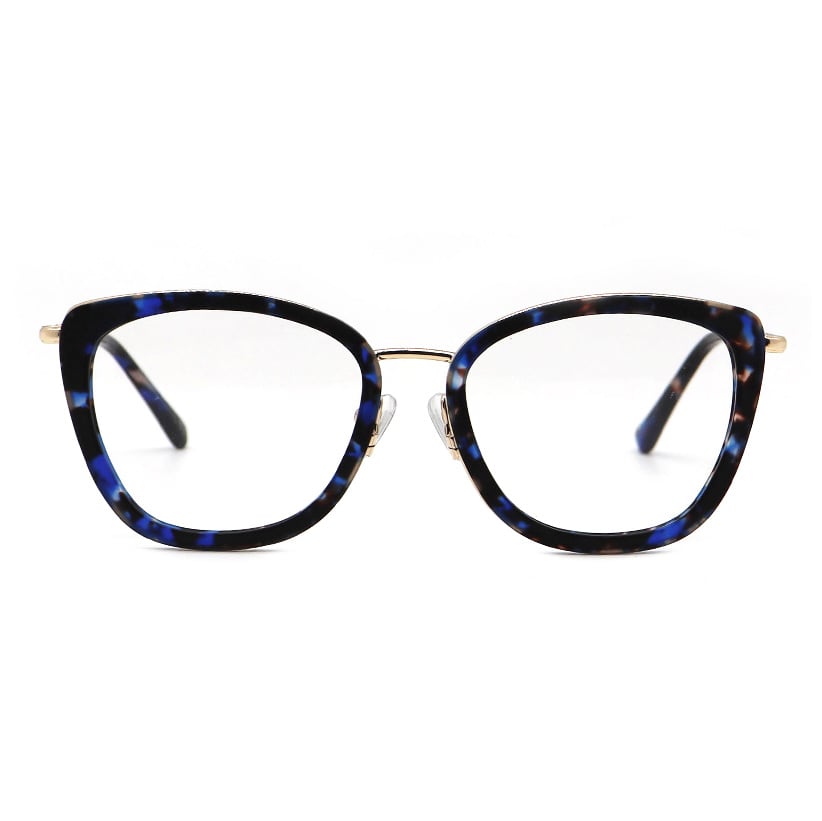
Acetate frames offer designers and brands unparalleled aesthetic versatility, ranging from translucent pastels to rich tortoiseshell patterns. However, this same complexity creates inherent variability in color reproduction. For buyers and brands sourcing acetate eyewear, establishing clear color standards, material specifications, and quality checkpoints before production begins is essential to maintaining visual consistency and protecting market positioning.
Understanding Acetate Color Variation Sources
Material Composition and Pigment Dispersion
Acetate material itself is an organic compound derived from cellulose, and its color depends on the pigments and dyes mixed into the resin during manufacturing. When sourcing handcrafted acetate frames, variations occur because pigment distribution within the acetate sheet is not always perfectly uniform. Different production runs may use slightly different pigment batches, mixing temperatures, or processing times, all of which affect final color saturation and tone. For buyers planning multiple acetate frames orders, requiring suppliers to document their pigment sourcing and mixing protocols helps establish baseline color consistency.
Environmental Factors During Production
Temperature, humidity, and light exposure during acetate production and storage influence how colors develop and stabilize. Custom acetate manufacturing often involves heating and molding processes where subtle temperature variations can shift color intensity. Storage conditions in warehouses or during shipping can also cause minor fading or darkening, particularly with lighter tones or translucent acetate. Brands must establish storage specifications with suppliers, including climate control requirements and UV protection measures, to prevent color drift before acetate frames reach quality inspection.
Defining Color Standards and Specifications
Pantone Matching and Physical References
Relying solely on digital color samples or verbal descriptions for acetate eyewear creates misalignment risks between buyer expectations and supplier delivery. The most effective approach is requesting physical reference samples—actual acetate frames in the desired color—from the supplier before full-batch production. These reference samples should be approved in writing and stored under controlled conditions as the official color standard for that production run. Handcrafted acetate naturally contains subtle variations, so establishing acceptable color tolerance ranges prevents disputes over whether variations are acceptable or represent quality failures.
Documentation and Batch Tracking
Detailed documentation of each batch's color specifications, pigment lot numbers, and production dates creates traceability that protects both buyers and manufacturers. When sourcing custom acetate for multiple SKUs or seasons, maintaining a master color database with approved reference samples, Pantone numbers, and production notes enables faster decision-making and dispute resolution. This documentation also helps identify patterns—for example, whether certain pigment suppliers consistently deliver colors that match references better than others, informing future sourcing decisions for acetate frames.
Quality Control and Inspection Protocols
Pre-Production and In-Process Checks
Effective quality management for acetate eyewear involves multiple inspection points rather than checking only finished frames. Suppliers should visually inspect raw acetate sheets or blanks before cutting and molding to identify any obvious color anomalies early. During production, periodic sampling of frames during the manufacturing process catches issues before entire batches are completed. For buyers managing high-volume orders, specifying inspection intervals—such as checking color every 500 or 1000 frames—provides early warning of drift and allows corrective action without scrapping the entire batch of acetate frames.
Final Batch Approval and Variance Documentation
Once production completes, a full batch inspection against the approved reference sample determines whether the batch meets standards or requires negotiation. If color variance exists, documenting the degree and nature of variance—whether it is lighter, darker, or shifted in tone—informs whether the batch is acceptable, requires rework, or must be rejected. Establishing predetermined variance thresholds before production prevents subjective disputes and ensures consistent quality across all acetate eyewear shipments. Clear communication about variance acceptance or rejection helps suppliers understand expectations and adjust future production parameters accordingly.
FAQ
Why does handcrafted acetate show more color variation than other eyewear materials?
Handcrafted acetate involves manual processes where small differences in mixing, heating, cooling, and pigment distribution create natural variation. Unlike injection-molded plastics with highly controlled parameters, acetate frames depend on craftspeople and material properties that inherently contain variability. This characteristic is part of acetate's appeal for premium positioning, but managing buyer expectations about acceptable color ranges is essential for satisfaction.
What is the most practical way for brands to prevent color mismatches when sourcing acetate frames across multiple batches?
Requesting and approving physical reference samples before full production is the single most effective step. Supplementing this with detailed specifications, tolerance ranges, and batch documentation ensures suppliers understand expectations clearly. Regular in-process inspections and final batch approvals against the reference sample prevent surprises and protect brand consistency across custom acetate orders.
How should buyers handle acetate eyewear batches that exceed acceptable color variance?
Predetermined variance thresholds and clear contractual language about batch acceptance prevent disputes. Options include requesting rework if feasible, negotiating a price reduction for the variance, or rejecting the batch entirely if variance is severe. Documenting the variance issue and communicating root causes with suppliers helps prevent recurrence in future acetate frames production runs.



