
 EN
Riveted Hinges vs Embedded Hinges in Acetate Eyewear Construction: Key Differences for Buyers
Confused about hinge types for acetate eyewear? Compare riveted vs embedded hinges on durability, cost, repairability & aesthetics. Make the right choice for your brand.
When selecting acetate eyewear, one of the most critical decisions involves understanding hinge construction. The hinge is the mechanical heart of any eyeglass frame, determining durability, comfort, and longevity. Two primary hinge types dominate the acetate frames market: riveted hinges and embedded hinges. Each approach offers distinct advantages and limitations, and the choice between them directly impacts frame performance, repair costs, and wearer satisfaction. This guide explores the fundamental differences between these two hinge technologies and helps buyers make informed decisions about acetate eyewear construction.
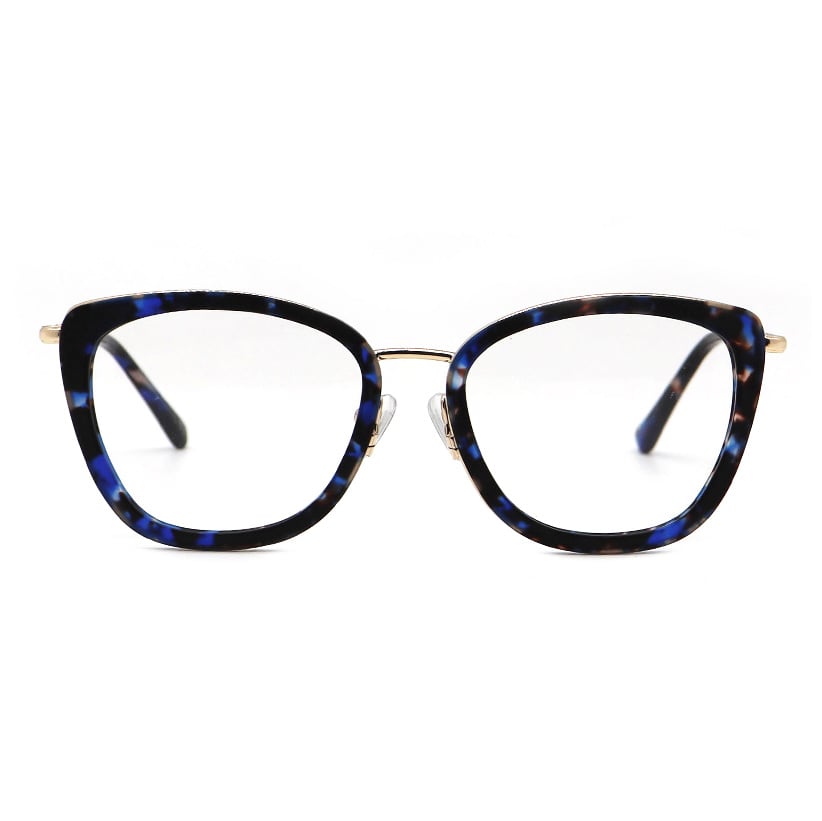
Understanding hinge mechanics is essential for anyone involved in eyewear procurement, design, or quality assurance. Handcrafted acetate frames represent a significant investment, and hinge integrity directly influences frame lifespan. The difference between riveted and embedded hinges extends beyond simple construction method—it encompasses material compatibility, manufacturing precision, and real-world durability under daily wear conditions. Buyers who grasp these distinctions can specify frames that align with their performance requirements and end-user expectations.
Riveted Hinges: Construction and Performance
How Riveted Hinges Work
Riveted hinges attach to acetate eyewear using small metal rivets that pass through pre-drilled holes in the frame temple and hinge barrel. The rivet compresses metal material on both ends, creating a permanent mechanical bond. This traditional approach has been used in eyewear manufacturing for decades and remains prevalent in custom acetate frames. The hinge barrel rotates freely around the rivet shaft, allowing the temple to fold and extend smoothly. Handcrafted acetate typically uses precise hole drilling and high-quality rivets to ensure consistent performance across production runs.
Durability and Repair Considerations
One significant advantage of riveted hinges is repairability. When a rivet fails or loosens, technicians can remove the old rivet and install a new one without replacing the entire frame. This serviceability extends the usable life of acetate frames, particularly valuable for premium handcrafted acetate designs. However, repeated rivet replacement eventually may enlarge the holes or stress the acetate material around the hinge attachment point. Quality custom acetate manufacturers often use slightly larger rivets or reinforce the hinge attachment area with additional material layers to prevent premature failure. The riveted approach works well for acetate eyewear when frames receive proper maintenance and occasional professional adjustment.
Embedded Hinges: Design and Benefits
Embedded Hinge Architecture
Embedded hinges integrate the hinge mechanism directly into the acetate material during manufacturing, rather than attaching it with external fasteners. The hinge barrel and connecting points form part of the frame structure itself, often reinforced with internal metal inserts or compression-molded design elements. This approach requires precision tooling and careful material selection but eliminates the need for rivets entirely. Custom acetate frames with embedded hinges demonstrate superior structural integrity because the hinge becomes part of the frame monolith rather than an attachment point prone to stress concentration. Handcrafted acetate using embedded hinge design often exhibits longer trouble-free service life compared to riveted alternatives.
Manufacturing Precision and Quality Requirements
Embedded hinges demand higher manufacturing precision than riveted systems. The mold or manufacturing process must account for exact alignment, material thickness, and stress distribution around the hinge interface. Any deviation in acetate eyewear mold design can compromise hinge performance or create weak points. However, when executed correctly, embedded hinges deliver consistent performance without risk of rivet loosening or detachment. Custom acetate producers who invest in high-precision tooling can create embedded hinge frames that rarely require service adjustments. The initial manufacturing investment is higher, but the reduction in repair rates and warranty claims often justifies the upfront cost for acetate frames with embedded hinge designs.
Comparative Analysis: Which Hinge Type Suits Your Needs
Performance Factors and Frame Longevity
Riveted hinges provide proven reliability when manufactured and maintained properly. They excel in environments where repairability matters and frames may receive rough handling. Acetate eyewear with quality riveted hinges can serve reliably for years if wearers perform basic care. Embedded hinges eliminate rivet failure entirely and typically demonstrate superior durability under repetitive stress. For handcrafted acetate frames intended for premium market segments, embedded hinges often provide the durability expectation that justifies higher pricing. Custom acetate with embedded hinges appeals to buyers seeking maximum longevity and minimal maintenance requirements.
Cost, Aesthetics, and Application Suitability
Riveted hinges add visible hardware to the frame appearance, which some designers appreciate as a distinctive aesthetic element. Custom acetate frames frequently showcase rivets as design features. Embedded hinges create a cleaner, more seamless appearance since no external fasteners are visible. From a cost perspective, riveted hinges generally lower manufacturing complexity and initial frame cost, making them suitable for value-oriented acetate eyewear. Embedded hinges increase production expense but reduce lifetime service costs through improved durability. Buyers should consider target market positioning, intended price point, and aesthetic preferences when choosing between these hinge technologies for acetate frames.
The decision between riveted and embedded hinges ultimately depends on frame positioning, durability requirements, and user expectations. Handcrafted acetate designed for professional use or premium consumer markets increasingly favor embedded hinges. Budget-conscious acetate eyewear lines may prioritize riveted construction for cost efficiency. Regardless of hinge type, acetate eyewear quality depends on material selection, manufacturing precision, and assembly standards across all components.
FAQ
Can riveted hinges on acetate eyewear be adjusted after purchase?
Yes, riveted hinges can be tightened or replaced by qualified eyewear technicians. If a rivet loosens, it can be replaced without removing the entire hinge barrel, making field repair straightforward. However, repeated rivet replacement over time may eventually require professional reinforcement or hinge replacement, particularly if the acetate material becomes stressed around the attachment holes.
Are embedded hinges suitable for all acetate frames styles?
Embedded hinges work best for acetate eyewear designs with sufficient material thickness and structural support around the temple attachment area. Some delicate or thin-walled acetate frame designs may not accommodate embedded hinge architecture. Designers and manufacturers must evaluate frame geometry and intended durability before committing to embedded hinge implementation. Handcrafted acetate with robust construction typically benefits most from embedded hinge technology.
Which hinge type should I choose for custom acetate frames?
Consider your end market, price positioning, durability expectations, and aesthetic preferences. If repairability and lower upfront cost matter most, riveted hinges serve well for acetate eyewear. If maximum durability, seamless design, and minimal maintenance are priorities, embedded hinges deliver superior long-term value. Most premium custom acetate producers now offer both options, allowing buyers to specify the hinge type that aligns with their brand positioning and customer needs.



