
 EN
Layered Pattern Design in Acetate Eyewear Production: A Technical Guide for Eyewear Buyers
Discover how layered acetate patterns elevate premium eyewear design, durability & brand differentiation.
Layered pattern design represents one of the most sophisticated techniques in modern eyewear manufacturing, particularly when working with acetate frames. The ability to create intricate visual patterns through multiple layers of acetate material allows eyewear buyers and designers to offer distinctive products that stand out in competitive markets. Understanding how layered patterns are engineered into acetate eyewear requires knowledge of material properties, production techniques, and quality control methods that ensure both aesthetic appeal and structural integrity.
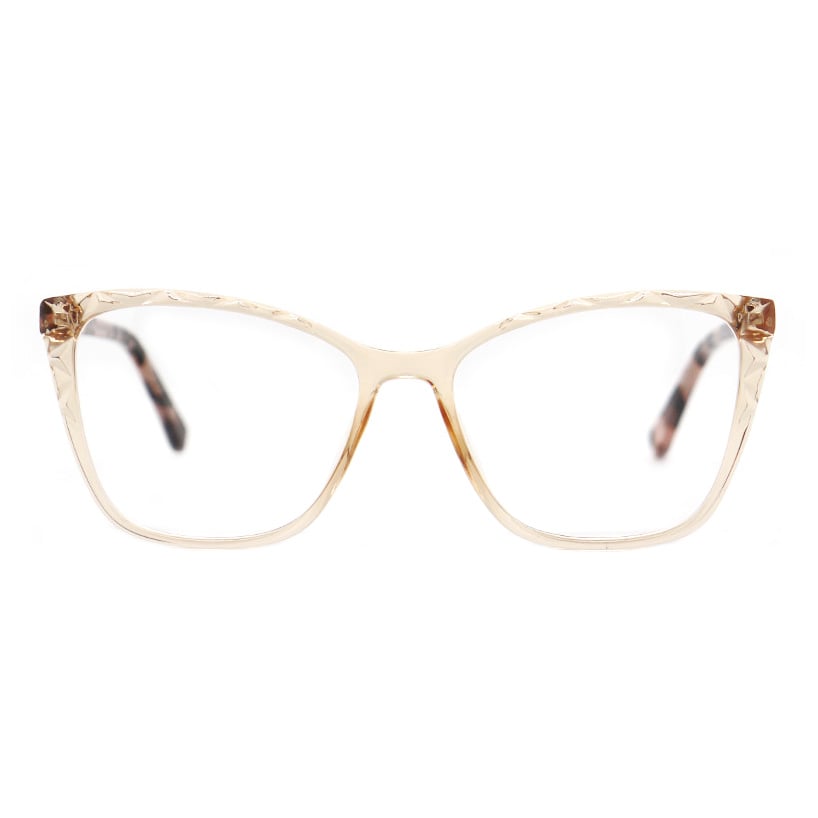
When you invest in custom acetate frames with layered pattern designs, you gain access to a level of personalization and craftsmanship that mass-produced alternatives simply cannot match. Acetate Eyewear production at scale demands precision in both material selection and manufacturing workflows. Handcrafted acetate techniques allow manufacturers to experiment with color combinations, thickness variations, and pattern orientations that create truly unique optical products for retail and private-label applications.
Material Selection and Layering Fundamentals
Understanding Acetate Properties for Layered Design
Acetate is a thermoplastic material derived from wood pulp and cotton linters, prized for its optical clarity, flexibility, and rich color absorption capabilities. When designing layered patterns in acetate frames, manufacturers must account for how light interacts with different material thicknesses and pigment concentrations. Handcrafted acetate requires careful consideration of material aging, which can affect color consistency and pattern visibility over time. The molecular structure of acetate allows it to be heated and molded without compromising transparency, making it ideal for creating sophisticated layered visual effects.
Color and Pattern Coordination in Layered Systems
Effective layered pattern design in acetate eyewear depends on strategic color selection and contrast management. Custom acetate frames often combine translucent layers with opaque sections to create depth perception and visual interest. Pigment distribution across multiple acetate layers requires precise control during material injection and cooling phases. Buyers selecting custom acetate products should evaluate how light transmission changes across the frame profile, as this directly impacts the final aesthetic appearance and brand perception.
Production Techniques for Layered Pattern Integration
Injection Molding with Multi-Layer Feeds
Modern acetate frames manufacturing employs advanced injection molding systems that can introduce multiple acetate materials simultaneously into a single mold cavity. This technique enables manufacturers to fuse distinct layers during the molding process, creating patterns that are integral to the frame structure rather than applied afterward. Custom acetate production workflows incorporate staged temperature control and pressure management to ensure consistent layer adhesion without visible separation lines. Handcrafted acetate applications may use sequential injection methods where different colors or materials are introduced at precise timing intervals to achieve specific visual layering effects.
Hand-Cutting and Post-Molding Pattern Enhancement
Handcrafted acetate often requires finishing work after the basic molding phase is complete. Skilled technicians use precision cutting tools to expose underlying layers, creating polished surfaces that reveal the interior pattern structure. Custom acetate frames may undergo edge polishing and surface treatment to enhance pattern visibility and create smooth tactile experiences. This labor-intensive approach to acetate eyewear production allows for micro-adjustments in pattern exposure and intensity, delivering luxury-segment products that justify premium pricing in retail markets.
Quality Assurance and Pattern Consistency
Visual Inspection and Pattern Validation Standards
Quality control protocols for layered acetate eyewear must address both structural integrity and aesthetic consistency across production batches. Inspection systems examine color saturation, layer visibility, and surface finish uniformity to ensure every pair of custom acetate frames meets established specifications. Defect identification focuses on internal stress lines, color inconsistencies between layers, and any separation that might compromise handcrafted acetate durability. Buyers should request detailed quality documentation showing how layering patterns are validated before frames reach retail or private-label distribution channels.
Durability Testing for Layered Frame Structures
Acetate frames with complex layered patterns must withstand normal wear conditions without pattern degradation or layer separation. Testing protocols include thermal cycling to simulate exposure to varying temperatures, mechanical flexing to assess structural resilience, and chemical resistance evaluation for cleaning agents and skin oils. Custom acetate production facilities conduct stress testing on frame joints and bridge areas where layered materials meet, as these zones represent potential failure points. Handcrafted acetate products from quality manufacturers include documentation of accelerated aging results, confirming that visual patterns remain stable and adhesive bonds maintain integrity throughout the expected product lifespan.
Design Strategy and Market Application
Aesthetic Differentiation Through Layered Patterns
Layered pattern design serves as a primary differentiation tool for eyewear brands seeking to establish market identity and premium positioning. Custom acetate frames with sophisticated layering create visual storytelling opportunities that resonate with consumers valuing craftsmanship and attention to detail. Handcrafted acetate allows designers to experiment with seasonal color palettes, cultural motifs, and artistic expressions that reflect brand values and consumer preferences. Acetate eyewear featuring distinctive layered patterns commands higher retail margins while strengthening brand loyalty through uniqueness that cannot be easily replicated by competitors.
Private-Label and White-Label Customization
Retailers and fashion brands leverage custom acetate production to develop exclusive eyewear collections that carry proprietary design codes and pattern signatures. Handcrafted acetate techniques enable rapid prototyping and small-batch production runs for testing market acceptance before committing to large-scale manufacturing. Acetate frames with layered patterns provide visual differentiation for private-label programs, allowing retailers to justify price premiums and build customer perception of exclusivity. Custom acetate manufacturers work closely with brand teams to refine pattern designs, ensuring that each production run reflects specific brand aesthetic objectives while maintaining economic viability at target production volumes.
FAQ
How do manufacturers ensure pattern consistency across acetate eyewear batches?
Manufacturers implement rigorous quality control by using standardized mold designs, precise temperature and pressure management during injection molding, and detailed visual inspection of each frame. Custom acetate production maintains pattern consistency through documented batch tracking, color calibration systems, and regular mold maintenance. Handcrafted acetate processes include individual verification steps where experienced technicians confirm that layered patterns match approved design samples before frames advance to finishing stages. Advanced facilities use spectrophotometric analysis to measure color accuracy and layer visibility objectively, ensuring deviation tolerances remain within specifications.
What distinguishes handcrafted acetate from mass-produced acetate eyewear?
Handcrafted acetate involves skilled manual intervention in pattern design, molding oversight, and finishing work, allowing for micro-adjustments and artistic expression that mass production cannot accommodate. Custom acetate frames often feature unique color combinations, limited-edition pattern variations, and personalized design elements requested by specific retailers or brands. Mass production prioritizes efficiency and standardization, while handcrafted approaches prioritize uniqueness and quality refinement. Acetate eyewear produced through handcrafted methods typically commands premium pricing and appeals to luxury market segments where consumers value exclusivity and superior craftsmanship over cost efficiency.
Are layered patterns in acetate frames durable for long-term use?
Yes, when properly manufactured and tested, layered patterns in acetate frames remain durable and visually stable throughout the product lifespan. Custom acetate production from reputable manufacturers includes accelerated aging tests, thermal cycling, and mechanical stress evaluations to confirm pattern integrity. Handcrafted acetate undergoes thorough quality verification before release, and established manufacturers back their products with durability guarantees. Acetate eyewear with layered designs may require standard maintenance like any optical frame, but the pattern visibility and structural adhesion persist under normal daily use conditions when sourced from quality-focused production facilities.



