
 EN
The Seasoning Process That Stabilizes Acetate Eyewear Blanks: A Technical Guide for Eyewear Buyers
Learn how thermal conditioning stabilizes acetate blanks for optical accuracy and yield. Get the technical guide.
The seasoning process represents a critical yet often overlooked stage in manufacturing Acetate Eyewear blanks. This thermal conditioning treatment stabilizes the material structure and prevents dimensional distortion during subsequent production stages. For eyewear buyers and manufacturers sourcing handcrafted acetate components, understanding this technical process directly impacts final product quality, cost efficiency, and customer satisfaction. The seasoning treatment transforms raw acetate from a volatile material prone to warping into a stable substrate ready for precision crafting and finishing.
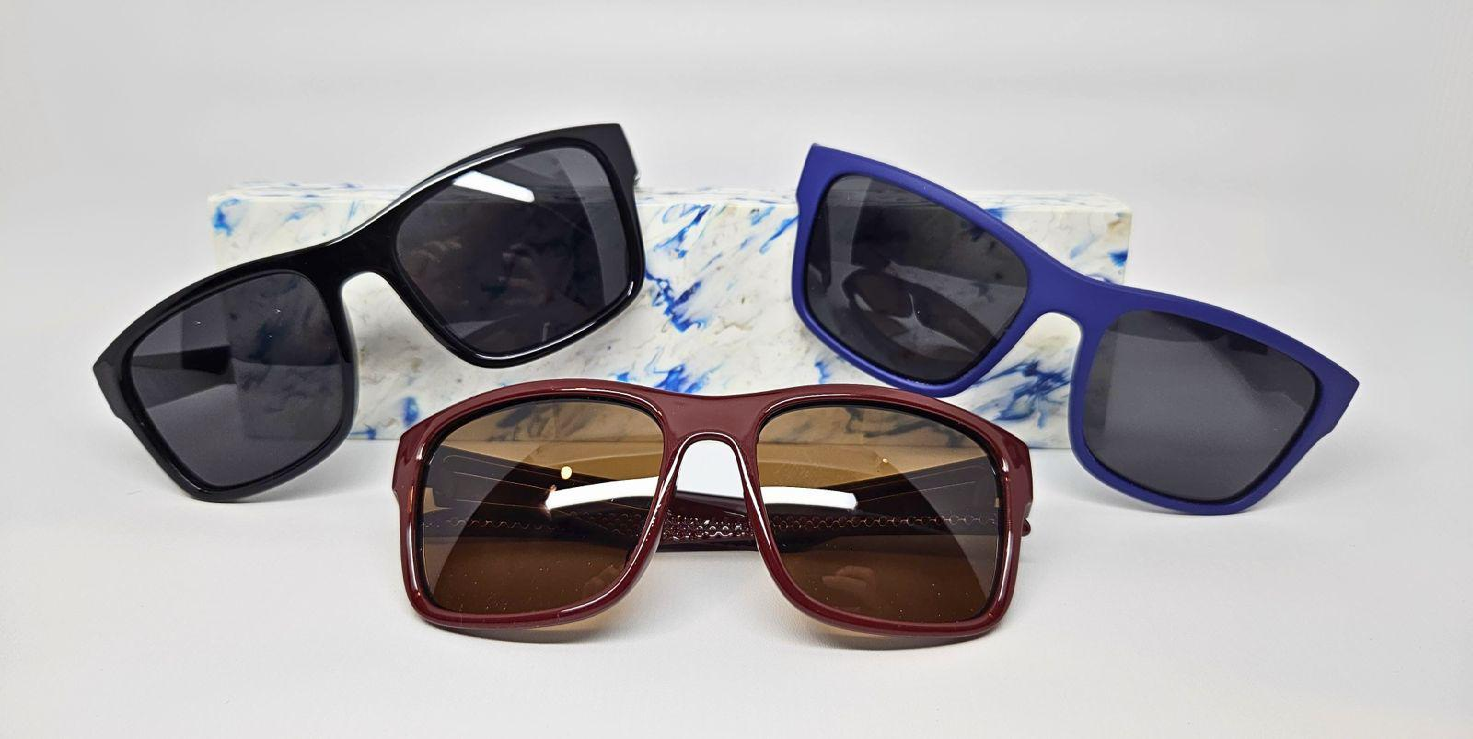
Acetate frames demand meticulous handling throughout manufacturing because acetate remains sensitive to heat, humidity, and mechanical stress. The seasoning process addresses these vulnerabilities by gradually acclimating the material to stable environmental conditions. Without proper seasoning, custom acetate blanks exhibit shrinkage, warping, and tolerance drift that compromise frame fit, optical alignment, and aesthetic consistency. This guide explores the technical foundations of acetate seasoning, its role in stabilizing production, and why it matters to your sourcing decisions.
Understanding Material Instability in Acetate Eyewear Blanks
Why Raw Acetate Requires Seasoning
Acetate eyewear starts as cellulose acetate pellets or sheets that contain residual moisture and internal stress from the injection or extrusion process. These raw materials hold internal strains from cooling too quickly after molding. When acetate frames encounter temperature or humidity fluctuations in storage or manufacturing, they release this stored energy through dimensional changes. A blank that appears stable at room temperature may shrink or warp when heated for lens insertion or edge finishing, rendering expensive tooling ineffective and creating visual distortions in the final frame.
Mechanical and Thermal Properties During Transition
The handcrafted acetate production pathway relies on precise dimensions during multiple heating cycles. Custom acetate blanks undergo stress when heated for hinge reinforcement, lens blocking, and nosepads assembly. Each heating event risks reactivating internal stresses if the base material has not been properly conditioned. Seasoning pre-emptively releases these stresses in a controlled environment, allowing the acetate frames to reach a stable equilibrium before entering precision finishing stages. This controlled release prevents surprise dimensional shifts during critical manufacturing operations where tolerance margins are measured in tenths of millimeters.
The Seasoning Process: Thermal Conditioning Protocol
Temperature Cycling and Duration
Standard seasoning of acetate eyewear involves heating blanks to elevated temperatures, typically between 70°C and 85°C, for extended periods ranging from 24 to 72 hours depending on blank thickness and material composition. The heating occurs in controlled ovens with stable air circulation to ensure uniform temperature distribution across all parts. Acetate frames are then cooled gradually to room temperature, allowing the polymer matrix to reorganize and stabilize. This thermal cycling mimics real-world production conditions while occurring in a predictable, monitored setting. The gradual heating and cooling prevent shock stress that would create new internal tensions or surface crazing.
Environmental Control and Humidity Management
Humidity plays an equally critical role in acetate eyewear stability. Cellulose acetate absorbs moisture from air, and this absorbed water acts as a plasticizer that temporarily alters dimensional properties. The seasoning environment maintains controlled humidity levels, typically between 45% and 55%, to allow the material to reach moisture equilibrium. Custom acetate that reaches this stable humidity state resists subsequent environmental swings during storage and shipping. Handcrafted acetate frames processed through proper humidity control exhibit consistent dimensions regardless of seasonal climate variations or geographic differences in customer storage conditions.
Impact on Production Quality and Sourcing Decisions
Dimensional Stability and Tolerance Achievement
Seasoned acetate eyewear blanks maintain dimensional tolerances throughout manufacturing because the material no longer carries reactive stress. Without seasoning, acetate frames shrink an average of 0.3% to 0.5% during the first heat cycle, creating cascading tolerance failures. This shrinkage forces rework, scrap, and production delays that multiply costs and destroy delivery schedules. Buyers sourcing custom acetate should verify that suppliers conduct formal seasoning because the quality difference directly impacts yield rates and final frame fit. Properly seasoned blanks allow manufacturers to achieve tighter tolerances on bridge width, temple length, and lens opening dimensions that define optical performance and aesthetic consistency.
Cost Implications and Supply Chain Efficiency
While seasoning adds process time and energy cost to production, it eliminates far greater costs downstream. Unseasoned acetate frames generate rework, customer returns, and warranty claims that far exceed the seasoning investment. Eyewear buyers recognize that seasoning represents essential quality infrastructure rather than optional premium treatment. When evaluating acetate frames suppliers, understanding their seasoning protocols reveals their commitment to quality control and their ability to deliver consistent results at scale. Handcrafted acetate manufacturers who skip or abbreviate seasoning typically compete on price alone, sacrificing the reliability that professional eyewear buyers require.
FAQ
How long does the seasoning process take for acetate eyewear?
Standard seasoning cycles range from 24 to 72 hours depending on the thickness of acetate frames and the specific material composition. Thicker blanks and filled acetate compounds require longer cycles to ensure complete stress relief throughout the material cross-section. Some custom acetate producers use accelerated protocols with higher temperatures, but traditional slow conditioning remains the industry standard for maximum stability. The timeframe represents a necessary investment that prevents expensive problems during lens insertion and frame finishing.
Can acetate eyewear be used immediately after molding without seasoning?
Raw acetate frames should never proceed directly to precision manufacturing without seasoning. Freshly molded material contains peak internal stress and unstable moisture content that guarantee dimensional problems during heating operations. Attempting to skip seasoning reduces production cost by 24 to 72 hours per batch, but the resulting quality failures and rework multiply total cost and delivery time. Professional handcrafted acetate manufacturers enforce seasoning as non-negotiable standard practice because the consequences of skipping this step are immediately visible in frame warping and tolerance failures.
How does seasoning improve the performance of custom acetate frames?
Seasoning directly improves acetate eyewear performance by stabilizing dimensions, preventing warping, and ensuring consistent lens fitting and optical alignment. Conditioned acetate frames maintain their shape during temperature swings in different climates and resist humidity-induced dimensional drift. The material develops consistent hinge feel and nosepads stability because the underlying acetate has reached equilibrium. For eyewear buyers, this means custom acetate products deliver predictable performance, reduced warranty claims, and satisfied end-users who experience durable, comfortable wear throughout the product lifecycle.



