
 EN
Plasticizer Content and Its Effect on Acetate Eyewear Quality: Manufacturing Considerations for OEM/ODM Projects
Why plasticizer balance is critical for acetate eyewear durability, warping prevention & manufacturing yield. Essential guide for OEM/ODM manufacturers.
Plasticizer content is one of the most critical yet often overlooked factors in manufacturing high-quality acetate eyewear. For OEM and ODM manufacturers, understanding how plasticizers influence the material's molecular structure, flexibility, and long-term performance is essential to meeting customer specifications and ensuring product reliability in the competitive eyewear market.
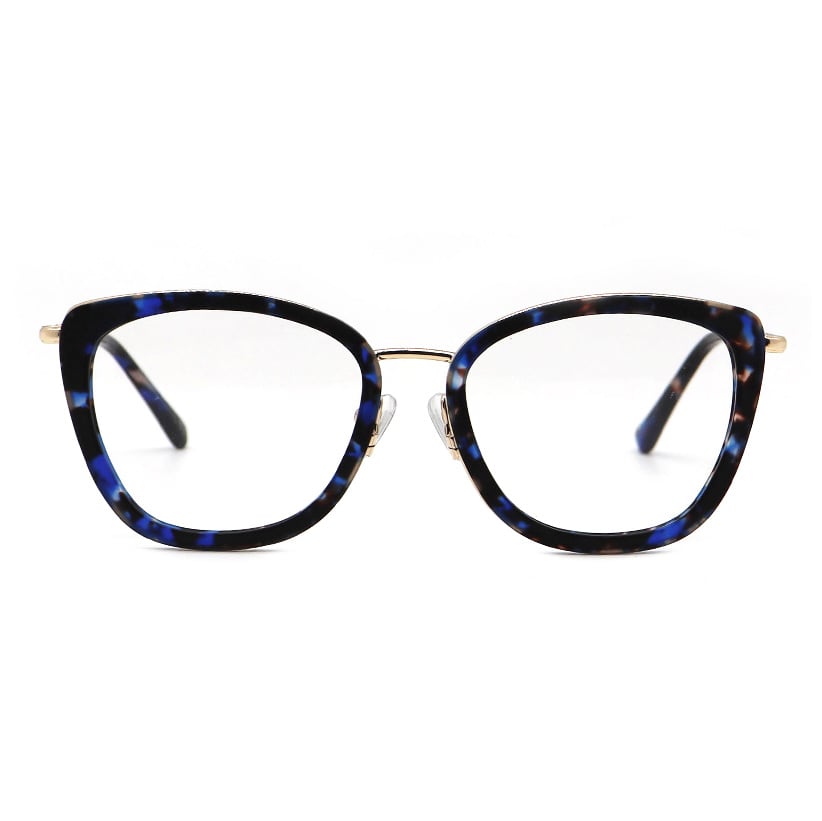
Acetate frames remain the gold standard in premium eyewear production because of their superior aesthetics, comfort, and ability to hold intricate designs. However, the quality of acetate eyewear depends heavily on the precise balance of plasticizers within the cellulose acetate polymer matrix. Too little plasticizer creates brittle frames prone to cracking; too much produces frames that warp, degrade prematurely, and lose shape over time. This article explores the critical manufacturing considerations that OEM/ODM facilities must address to maintain consistent acetate frames quality throughout production runs.
Understanding Plasticizers in Acetate Material Composition
Plasticizers are chemical compounds added to cellulose acetate to improve its flexibility and workability during manufacturing. In custom acetate production, the most commonly used plasticizers include dibutyl phthalate (DBP), diethyl phthalate (DEP), and camphor, each offering distinct properties that influence how acetate frames perform under stress and environmental conditions. The plasticizer concentration typically ranges from 15 to 35 percent by weight, depending on the desired final characteristics and application requirements.
Molecular Structure and Flexibility
When plasticizers are introduced into the cellulose acetate matrix, they work by reducing intermolecular forces between polymer chains. This physical action increases chain mobility, allowing the material to bend and flex without breaking during injection molding, sheet thermoforming, and frame assembly processes. Handcrafted acetate eyewear typically requires higher plasticizer ratios during manufacturing to support complex hand-finishing techniques, while mass-produced acetate frames may use slightly different formulations optimized for injection molding efficiency.
Chemical Stability and Material Degradation
The type and concentration of plasticizers directly affect how acetate eyewear ages in storage and during consumer use. High-quality plasticizers that are properly chemically bonded to the polymer matrix resist migration, which is the gradual leaching of plasticizer molecules to the frame surface. Poor plasticizer selection or excessive concentrations lead to visible bloom (white residue), loss of flexibility, and structural weakness over the product's lifespan. OEM/ODM manufacturers must test plasticizer stability under heat, humidity, and UV exposure to ensure compliance with international quality standards.
Manufacturing Process Impacts on Plasticizer Performance
The manufacturing workflow of acetate frames involves multiple stages where plasticizer performance is either optimized or compromised. From raw material selection through final assembly, temperature control, processing speed, and material handling all influence whether the plasticizer remains evenly distributed and chemically stable throughout the frame. Understanding these process dependencies is critical for OEM/ODM facilities aiming to deliver consistent, durable custom acetate products to global markets.
Temperature Control During Processing
Acetate material processing requires precise temperature management because excessive heat causes plasticizers to volatilize or degrade, while insufficient heat prevents uniform material flow and plasticizer distribution. During injection molding of acetate frames, barrel temperatures typically range from 180 to 210 degrees Celsius; exceeding these limits can decompose certain plasticizers, creating weak zones and discoloration. Handcrafted acetate production often involves sheet cutting and hand-assembly at lower temperatures, which may require different plasticizer formulations than injection-molded alternatives. OEM/ODM manufacturers must document and monitor temperature profiles to ensure repeatability and quality consistency across production batches.
Cooling and Stress Relief
After molding or forming, acetate eyewear must cool gradually to allow plasticizers to resettle uniformly within the polymer matrix. Rapid cooling induces internal stress, which can cause warping, microcracks, and premature brittleness even if the initial plasticizer formulation is correct. Many OEM/ODM facilities employ controlled cooling chambers and annealing processes to stabilize custom acetate frames before further machining, polishing, and finishing. This critical step directly impacts the final frame's resistance to environmental stress cracking and mechanical failure during consumer use.
Quality Control and Specification Management for OEM/ODM Projects
Maintaining consistent acetate eyewear quality across high-volume manufacturing requires rigorous quality control protocols that specifically address plasticizer content, distribution, and performance. For OEM/ODM partners working with multiple customers and changing design specifications, standardized testing methodologies and clear material specifications ensure predictable outcomes and reduce the risk of costly rework or customer returns. Plasticizer-related defects are often identified too late in the production cycle, making proactive material and process qualification essential.
Material Certification and Supplier Qualification
OEM/ODM manufacturers must establish strict supplier qualification procedures for acetate pellets, sheets, and pre-processed materials. Certified suppliers provide detailed technical data sheets specifying plasticizer type, concentration, and batch consistency, allowing manufacturers to predict processing behavior and final product performance. Handcrafted acetate production often relies on premium material grades with carefully controlled plasticizer profiles, since hand-finishing exposes the frame material to extended heat and mechanical stress. Regular incoming inspection, material testing, and traceability systems ensure that every batch of custom acetate meets specification before processing begins.
Testing Methods for Plasticizer Impact
Standard testing protocols for acetate frames include flexural strength testing, which measures the frame's ability to bend without breaking, and plasticizer migration analysis, which detects unwanted leaching to the surface. Tensile testing determines the material's maximum stress tolerance, while dimensional stability tests under temperature and humidity cycling reveal whether the plasticizer formulation maintains consistent performance over time. OEM/ODM facilities implementing these tests can identify plasticizer-related issues before frames reach customers, reducing warranty claims and protecting brand reputation. Advanced manufacturers also conduct accelerated aging studies to predict long-term acetate eyewear durability based on real-world environmental exposure.
FAQ
What happens if acetate eyewear has insufficient plasticizer content?
Insufficient plasticizer causes acetate frames to become brittle and prone to cracking during manufacturing, finishing, and consumer use. The material lacks flexibility to absorb mechanical stress from normal handling, temple folding, or minor impacts. Frames with low plasticizer content also exhibit poor mold flow during production, leading to incomplete fills, surface defects, and dimensional inconsistencies that compromise fit and aesthetics.
How does excessive plasticizer affect custom acetate frame performance?
Excessive plasticizer causes acetate frames to warp, deform under heat, and lose structural integrity over time. The material becomes overly soft, fails to hold precise dimensions, and develops permanent creases or bending that degrades the finished product. Excessive plasticizer also increases migration to the surface, creating visible bloom and reducing the frame's aesthetic appeal and durability during extended wear and storage.
Why is plasticizer management critical for OEM/ODM eyewear manufacturing?
Plasticizer content directly affects production efficiency, first-pass yield, product durability, and customer satisfaction. OEM/ODM manufacturers must balance processing requirements with long-term performance expectations across diverse customer specifications and market conditions. Proper plasticizer management reduces defect rates, minimizes rework costs, and ensures that acetate eyewear meets international quality and safety standards, protecting the manufacturer's reputation and market competitiveness.



