
 EN
Inconsistent Blue Light Filtering Rates Across Glasses Lens Batches: Quality Control in Production
Discover proven QC protocols, spectrophotometry testing & SPC to ensure reliable anti-blue-light eyewear. Optimize production now.
Manufacturing quality control is critical for any eyewear product, especially when producing blue light glasses intended to reduce digital eye strain. Inconsistent blue light filtering rates across lens batches represent a significant operational challenge that directly impacts end-user satisfaction, brand reputation, and regulatory compliance. When blue light blocking glasses fail to deliver consistent protection from harmful blue light wavelengths, customers experience diminished benefits and may lose trust in the product entirely.
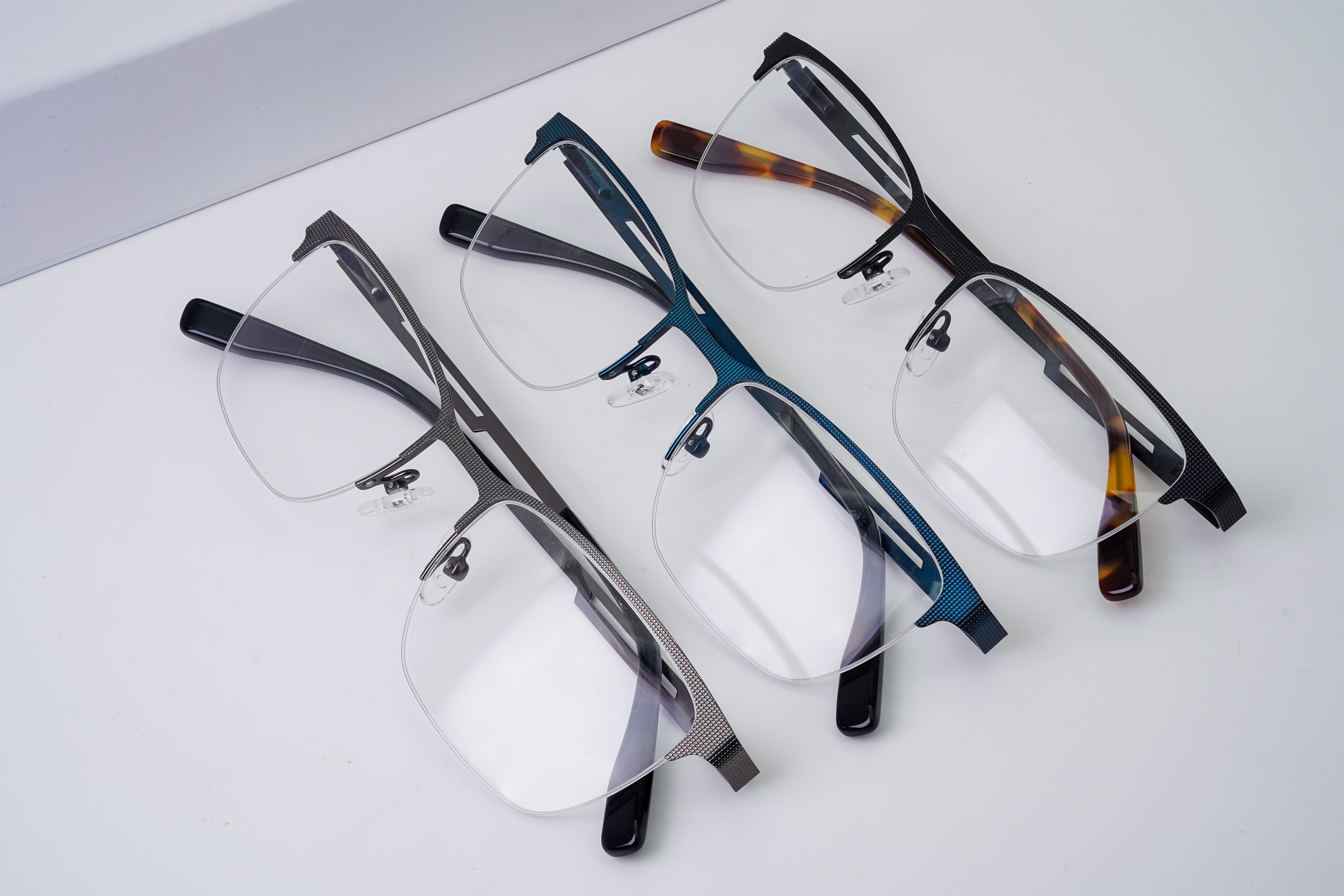
The root causes of inconsistent blue light filtering performance stem from multiple production variables, including raw material quality, coating application parameters, curing temperatures, and lens thickness deviations. Computer glasses manufacturers must implement rigorous quality control protocols throughout the production process to ensure every batch meets specification. This article explores the critical quality control measures needed to maintain consistent blue light filtering rates and deliver reliable anti blue light eyewear to the market.
Understanding Blue Light Filtering Consistency Challenges
The Impact of Material Variability
Raw material inconsistency represents one of the primary drivers of variable blue light filtering performance across batches. When lens substrates arrive from suppliers with varying refractive indices or optical properties, subsequent coating applications perform differently. Computer glasses require precision in both the base lens material and the blue light blocking coating layer to achieve target filtering rates. Manufacturers sourcing blue light blocking glasses materials must establish strict supplier specifications and conduct incoming material inspections before processing begins.
Coating Application and Curing Variables
The anti blue light eyewear coating process introduces numerous points where inconsistency can emerge. Temperature fluctuations during coating application, humidity levels in the manufacturing environment, spray nozzle wear, and curing duration all influence the final filtering rate achieved by blue light glasses. A one-degree variance in oven temperature or five-minute deviation in curing time can produce measurable differences in blue light absorption across otherwise identical lens batches. Environmental controls and equipment calibration become essential to produce consistent blue light blocking glasses quality.
Establishing Quality Control Standards and Testing Protocols
Spectrophotometry and Light Transmission Testing
Accurate measurement of blue light filtering rates requires sophisticated testing equipment capable of quantifying light transmission across the blue wavelength spectrum. Spectrophotometers measure the percentage of light transmitted through blue light glasses at specific wavelengths, typically between 380 and 500 nanometers. Quality control teams must test representative samples from every batch of computer glasses produced and establish upper and lower acceptable limits for blue light filtering performance. Testing protocols should measure multiple sample points across each lens to identify edge effects or uneven coating application that might escape random sampling approaches.
Implementing Statistical Process Control
Statistical process control methods enable manufacturers to detect trending issues before they result in entire batches of out-of-specification blue light blocking glasses. By tracking filtering rate measurements over time and establishing control charts, production teams identify subtle shifts in performance that indicate equipment drift or material changes. Computer glasses producers using SPC can adjust processes proactively rather than discovering problems only after batch completion. This data-driven approach reduces waste, improves consistency, and demonstrates commitment to delivering reliable anti blue light eyewear to customers.
Process Optimization and Preventive Maintenance
Equipment Calibration and Maintenance Schedules
Coating application equipment requires regular calibration and preventive maintenance to maintain consistent performance throughout its operational life. Spray nozzles gradually wear and alter coating distribution patterns, while oven thermostats drift from target temperatures if not monitored and adjusted. Blue light glasses manufacturers must establish detailed equipment maintenance schedules, document all calibration adjustments, and maintain spare parts for critical components. Equipment downtime for maintenance is far preferable to producing batches of substandard blue light blocking glasses that fail quality testing and must be scrapped or reworked.
Workforce Training and Standard Operating Procedures
Production personnel directly influence the consistency of blue light filtering rates through their adherence to established procedures and attention to process variables. Comprehensive training programs ensure operators understand the critical parameters affecting anti blue light eyewear quality and recognize when conditions deviate from standard specifications. Detailed standard operating procedures provide clear guidance on coating application speed, environmental conditions to maintain, material handling practices, and inspection responsibilities. Regular refresher training and competency assessments keep the workforce aligned with quality objectives and reduce human error as a source of batch-to-batch variation in blue light glasses production.
FAQ
What causes blue light filtering rates to vary between lens batches?
Batch-to-batch variation in blue light filtering rates stems from multiple sources including incoming material property differences, coating application parameter drift, environmental conditions during curing, and equipment wear over time. Blue light blocking glasses require precise control of both the lens substrate and the optical coating to achieve consistent performance. Even minor deviations in temperature, humidity, application speed, or curing duration can produce measurable changes in filtering effectiveness across otherwise identical computer glasses.
How should manufacturers test blue light glasses quality consistently?
Manufacturers should employ spectrophotometry equipment to measure light transmission through blue light glasses at relevant wavelengths, testing multiple samples from each batch at different lens locations. Establish clear acceptance criteria for filtering rates, document all measurements, and use statistical methods to monitor trends over time. Computer glasses quality control programs should include both immediate pass-fail testing and long-term data analysis to detect subtle process shifts before they produce out-of-specification anti blue light eyewear.
What preventive measures reduce quality inconsistency in blue light blocking glasses production?
Preventive measures include implementing strict incoming material specifications and supplier audits, establishing detailed equipment calibration and maintenance schedules, maintaining tight environmental controls during coating and curing processes, and developing comprehensive operator training programs. Statistical process control tools help detect trending issues early, while regular equipment inspections catch wear before it impacts blue light glasses consistency. Documented procedures, skilled workforce management, and continuous monitoring of critical process parameters work together to ensure reliable anti blue light eyewear production.



