
 EN
Temperature Resistance in TR90 Glasses During Transport: Key Differences and Selection Factors
Why TR90 glasses excel in extreme transport temps—from -40°C to 85°C. Compare vs. acetate & metal, reduce warping & returns. Get selection guide.
Temperature resistance during transport is a critical consideration when selecting eyewear for demanding environments and long-distance shipping. TR90 glasses have become increasingly popular in the optical industry due to their exceptional durability and thermal stability, making them an ideal choice for professionals and consumers who require reliable eyewear. Understanding how TR90 optical frames perform under temperature fluctuations and stress conditions can help buyers make informed decisions about their investment in quality eyewear.
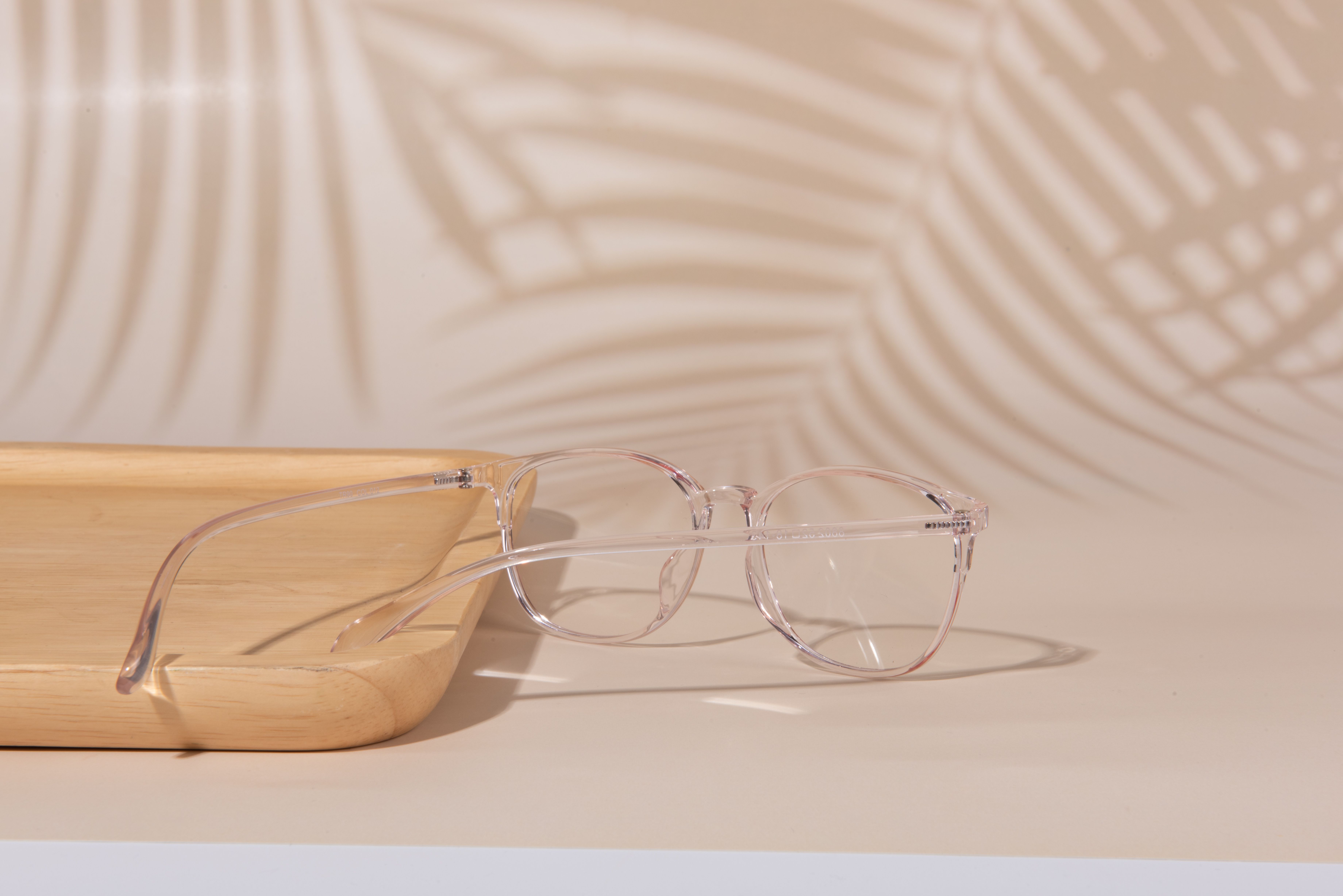
TR90 prescription glasses represent a significant advancement in frame materials compared to traditional acetate or metal options. The material exhibits outstanding resistance to temperature extremes, allowing eyewear to maintain structural integrity across a wide range of environmental conditions. This thermal stability is particularly valuable during transport, where frames may encounter significant temperature variations without suffering warping, brittleness, or permanent deformation.
Understanding TR90 Material Properties
Thermal Stability and Composition
TR90 is a thermoplastic material engineered to provide superior temperature resistance compared to conventional eyewear materials. The composition includes specialized polymers that create a flexible yet rigid matrix, allowing TR90 glasses to withstand temperatures ranging from extremely cold environments to sustained heat exposure. Unlike brittle acetate frames that can crack in cold conditions or become soft in high heat, TR90 optical frames maintain consistent performance across temperature variations commonly encountered during international transport and storage.
The molecular structure of TR90 provides natural flexibility that absorbs thermal stress without compromising shape or fit. This property is essential for TR90 prescription glasses that must maintain precise lens alignment throughout shipping cycles, temperature-controlled warehouses, and final delivery to end users. The material resists the brittleness that affects many standard plastic frames when exposed to cold shock or extended freezing conditions.
Comparative Temperature Performance
When comparing temperature resistance during transport, TR90 optical frames consistently outperform acetate, nylon, and standard plastic alternatives. Acetate frames often become fragile below freezing temperatures and can lose their shape when exposed to sustained heat above 60 degrees Celsius. Metal frames conduct heat and cold differently, sometimes causing discomfort when worn immediately after temperature extremes. TR90 prescription glasses, by contrast, maintain stable dimensions and tactile properties across this entire range, providing reliable eyewear regardless of transport conditions.
Industry testing demonstrates that TR90 frames experience minimal dimensional change even after repeated freeze-thaw cycles. This stability translates to consistent optical performance, proper lens fit, and extended product lifespan. For businesses managing eyewear inventory across multiple climates or seasons, this consistency reduces replacement rates and customer dissatisfaction linked to warped or damaged frames.
Transport-Specific Challenges and Solutions
Environmental Stress During Shipping
Eyewear faces unique challenges during transport, including temperature fluctuations, humidity changes, and pressure variations within shipping containers. Uncontrolled cargo holds on aircraft, vehicles traveling through diverse climates, and poorly insulated warehouses can expose TR90 optical frames to rapid temperature swings. Unlike sensitive materials that degrade under such conditions, TR90 prescription glasses are designed specifically to endure these stressors without compromising optical quality or structural integrity.
The flexibility inherent in TR90 frames also provides shock absorption during transport, protecting both the frames and lenses from impact damage. This dual benefit of temperature resistance and mechanical durability makes TR90 glasses particularly valuable for long-distance shipments, especially when frames must travel through multiple climate zones or spend extended periods in transit containers.
Storage and Warehouse Considerations
Many optical facilities maintain temperature-controlled warehouses, yet even these environments experience gradual temperature variations and occasional excursions. TR90 prescription glasses stored in standard commercial conditions remain stable and ready for sale without special climate management requirements. This reduces operational costs associated with specialized storage infrastructure while ensuring consistent product quality.
Seasonal storage also benefits from TR90's thermal properties. Eyewear held in inventory during summer heat waves or winter cold spells remains unaffected by temperature extremes that might permanently deform acetate or nylon alternatives. This advantage extends product shelf life and reduces waste, directly improving profitability for retailers and manufacturers managing diverse product lines.
Selection Factors for Temperature-Resistant Eyewear
Identifying Your Temperature Requirements
Choosing TR90 glasses requires evaluating specific transport routes, storage conditions, and intended use environments. Buyers shipping eyewear to tropical climates, arctic regions, or areas with extreme seasonal variation benefit most from TR90 optical frames' superior temperature stability. Similarly, eyewear destined for outdoor professions like construction, agriculture, or fieldwork encounters greater temperature stress than office-based applications, making TR90 prescription glasses a more critical investment.
Consider also the duration of temperature exposure. Short-term fluctuations during standard transport cause minimal damage to most materials, but extended storage in uncontrolled environments or products designed for harsh outdoor use justify the selection of TR90 over cheaper alternatives. Evaluating expected temperature ranges your eyewear will encounter during its entire lifecycle enables more informed purchasing decisions.
Balancing Performance with Cost Considerations
TR90 optical frames typically cost more than acetate or standard plastic alternatives, yet this premium reflects genuine performance advantages. For single-unit consumers or occasional eyewear buyers, standard materials may suffice. However, professional users, outdoor workers, and businesses purchasing inventory for harsh environments find that TR90 prescription glasses' durability reduces replacement frequency and long-term costs. The temperature resistance translates to fewer failed frames, fewer customer complaints, and more reliable optical performance throughout the product's intended service life.
Volume purchasers and retailers can negotiate favorable pricing for TR90 glasses when ordering in bulk, improving the cost-per-unit comparison with conventional materials. Calculating total cost of ownership, including replacement rates and customer satisfaction metrics, often demonstrates that TR90 optical frames deliver better financial performance despite higher initial purchase prices.
FAQ
At what temperature do TR90 glasses become damaged during transport?
TR90 glasses maintain structural integrity across extremely broad temperature ranges, typically from minus forty to eighty-five degrees Celsius without permanent deformation. Most commercial transport conditions fall well within these limits, meaning TR90 prescription glasses rarely experience temperature-related damage during standard shipping. Even in extreme scenarios like arctic expeditions or desert transport, TR90 optical frames remain stable, though additional protective packaging may still be recommended for maximum safety.
How do TR90 optical frames compare to metal frames for temperature resistance?
TR90 glasses and metal frames each handle temperature differently. Metal frames conduct heat and cold, sometimes causing wearer discomfort when worn immediately after temperature extremes, though they do not deform under temperature alone. TR90 prescription glasses maintain consistent comfort and dimensional stability without the thermal conductivity issues of metal. For transport and storage specifically, TR90 optical frames offer superior advantages because they do not conduct temperature to the lens or wearer, protecting optical coatings and improving user experience.
Can TR90 prescription glasses be shipped internationally without temperature control?
Yes, TR90 glasses are specifically designed for uncontrolled transport environments. The material's exceptional temperature resistance means international shipping without climate control remains safe and effective. However, basic protective packaging that minimizes physical shock remains important for protecting lenses and coatings. For standard international logistics involving cargo holds, ground transport through diverse climates, and typical warehouse conditions, TR90 optical frames require no special temperature management, unlike more sensitive materials that demand expensive controlled shipping solutions.



