
 EN
Key Factors That Influence Sunglasses Quality, Design, and Market Performance
What drives sunglasses sales & returns? Material spec, frame geometry, hinge quality, color control & range coherence shape B2B success. Get the checklist.
Reading Market Performance as a Set of Buying Problems
When a brand, retailer or importer says a pair of sunglasses performs well, the phrase usually hides a set of very concrete problems. A frame that sells quickly in the first weeks can still drag a category down if it comes back through returns, triggers complaints, or leaves shelves half empty because replenishment is unreliable.
Market performance in eyewear is rarely about one hero frame. It is the sum of how consistently a product is made, how well it fits real faces, how clearly its value is signalled, and how easily the range can be extended. That is why a sunglasses manufacturer earns its place through material specification, frame geometry, lens selection, hinge quality and colour control.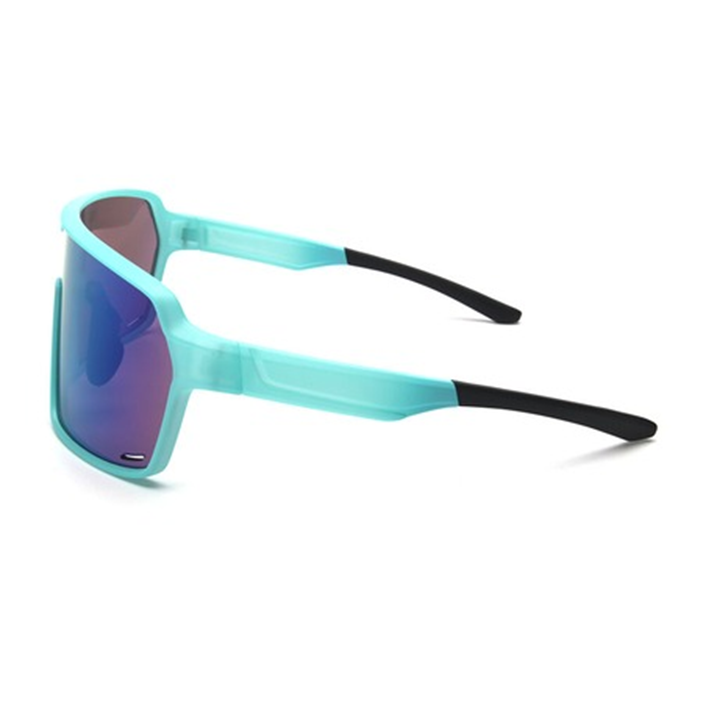
The Commercial Pressures Behind a Style
Before examining a material or a lens option, it helps to name the pressures a sunglasses manufacturer and its buyer actually manage.
Return Rates and Quality Complaints
Return rates are where cheap sourcing turns expensive. A frame that reaches the customer with a loose hinge, a lens seated under uneven stress or a colour that reads differently from the approved sample generates complaints that cost far more than any margin saved at the factory gate.
A complaint is rarely the result of one dramatic defect. It normally comes from a chain of small drifts: a component moulded slightly outside tolerance, a lens fitted with uneven stress, or a finish that thins at the temples after handling. Each is invisible in a single sample and obvious across a pallet.
Sample-to-Bulk Consistency at a Sunglasses Manufacturer
Approving an attractive sample is the easy part; reproducing it at volume is the test. Sample-to-bulk consistency is the clearest signal of whether a factory has genuine process control or simply a talented sampling bench, and it shapes every commercial decision that follows.
Consistency lives in details a buyer can measure: the same geometry as the approved model, the same lens tint, the same hinge tension, the same surface finish on every pair in the carton. When those drift, retail partners reject shipments and store staff have to explain why the second delivery is not like the first.
Replenishment Reliability
Reliability has two halves. The first is production stability, so a reorder arrives with the same quality as the original run. The second is continuity of materials and components, so a colour, lens or finish does not quietly change between deliveries.
Reliability has two halves. The first is production stability, so a reorder arrives with the same quality as the original run. The second is continuity of materials and components, so a colour, lens or finish does not quietly change between deliveries. Seasonal carry-over depends on both.
Material and Frame Engineering
Once the commercial pressures are clear, the technical decisions a sunglasses manufacturer makes become easier to prioritise.
Material Specification
Every durable pair starts with a material decision. Acetate, metal, titanium, TR90, polycarbonate and mixed constructions each behave differently in weight, flexibility, colour depth and the way they accept a finish. The specification chosen at the start governs how a frame ages and how many variables production must control.
Acetate is chosen for depth of colour and a warm feel, but it reacts to heat and humidity in ways that affect stability. Metal and titanium offer strength at low weight and suit fine rims while demanding precise welding and plating. TR90 and moulded frames deliver very low weight and elastic memory, which is why active categories rely on them.
Frame Geometry and Fit
Frame geometry is where design meets anthropometry. Base curve, pantoscopic tilt, lens width, bridge fit and temple length together decide how a frame sits on a range of faces and whether it stays there. Two frames can look identical in a line drawing and behave very differently once worn for an afternoon.
Fit accuracy is measurable. It appears in whether temples sit level behind the ears, whether pads distribute pressure without pinching, and whether the frame holds position when the wearer looks down. A supplier that controls geometry through tooling and inspects it in process can repeat a fit across a run and a reorder.
Hinge, Assembly and Finish
Two pairs can share a silhouette and feel worlds apart in the hand, because perceived value is built at the hinge and the finish. Hinge tension, screw retention, the resistance of the fold and the cleanliness of assembly joints are details customers cannot name but always feel.
A hinge that loosens after repeated use makes an otherwise sound frame feel cheap, and it is one of the hardest defects to correct after shipment. Surface finishing completes the impression: even colour, clean edges and a consistent sheen signal a considered product rather than an assembled one.
Lens, Colour and Finish
Materials and frames set the structure, while lenses, colour and finish carry the customer's first impression.
Matching Lens Options to Use
Lens selection starts with how the product will be worn. A fashion frame, a driving style and a sports wrap have different priorities, so the lens brief belongs alongside the frame brief rather than at the end. Tint depth, colour rendering, mirror or gradient finishes and surface treatment all change how the frame reads.
Polarised lenses remain a strong selling point for sun and water use because they manage glare, and UV-protection lenses answer a basic expectation in most markets. The risk is a mismatched pairing, such as a lens intended for flat frames seated in a steeply curved rim, or a tint approved in a sample but never locked to a standard.
Colour Control Across a Run
Colour is one of the hardest things for a sunglasses manufacturer to control and one of the first a customer notices. An acetate block, a painted metal part and a moulded component all develop colour differently, so a single reference standard has to govern every material in the frame.
Pattern control is a related skill. Marbled acetates and layered sheets are attractive precisely because they vary, which makes consistency a matter of controlling the range of variation rather than eliminating it. Buyers should agree what is acceptable across a run, not only on a single swatch presented at approval.
Building a Range That Extends
Individual styles win sales, while a well-constructed collection wins a shelf position that lasts, and that is what a sunglasses manufacturer is really asked to deliver.
Coherent Range Planning for a Sunglasses Manufacturer
A strong collection is not a folder of unrelated frames. It is a set of products sharing a design language, a material logic and often a component base, so each addition feels like a natural extension. Some suppliers can produce attractive individual styles; fewer can help a brand build a range that reads as one family.
Coherence pays commercially. Shared materials and components simplify replenishment, reduce the variables a buyer tracks, and make the range easier to photograph, merchandise and reorder. The buyer's job is to state the design language early and hold to it, because a collection that jumps between unrelated shapes spreads production across more specifications.
Aligning the Brief With the Factory
A collection is won or lost at the handoff between brand and factory. A clear brief, a structured engineering review and an agreed approval process prevent the slow erosion of intent that turns a sharp concept into a generic product.
The two routes start differently. Under OEM the brand supplies the design and the factory reviews it for engineering before sampling. Under ODM the brand shares a market brief and the factory leads on design. Either route benefits from a documented approval step both sides can point back to when volume begins.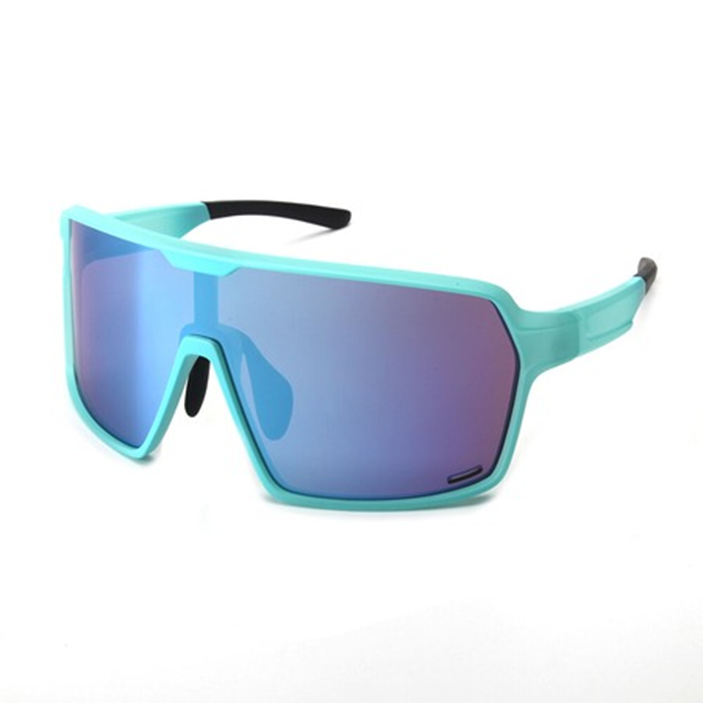
Frequently Asked Questions
How do quality and design affect return rates and repeat orders?
Quality and design drive returns mainly through fit, alignment and finish. A frame that sits unevenly, a hinge that loosens, a lens seated under stress or a finish that marks easily all generate complaints a customer attributes to the product rather than to one unlucky unit. A sunglasses manufacturer that controls its specification protects both metrics at once.
What should a brand verify in a sample before approving bulk?
Check what the customer will experience rather than what the camera captures. Confirm geometry against the drawing, hinge tension and fold resistance, lens seating and tint, colour against the agreed standard, and finish across the whole frame rather than the front alone. Then confirm how the specification will be frozen and which inspections apply across the run.
How can a brand extend a collection across seasons?
Extend through structure rather than constant reinvention. Keep a shared design language, reuse proven materials and components, and add colourways, lens options or subtle shape variations instead of commissioning new families every season. That approach also stabilises replenishment, because a buyer can respond to demand without restarting development.



