
 EN
The Role of Frame Fit and Comfort in Creating Better Optical Eyewear
Fit/comfort are measurable engineering parameters: dimensions, weight, balance & structure drive wearability. Optimize frame design today.
Treating Fit and Comfort as Measurable Parameters
Fit and comfort are often discussed as if they were subjective qualities a wearer either likes or does not. In optical frames they behave much more like engineering parameters. A frame either matches its specified dimensions or it does not, its weight lands inside the target band or drifts above it, and its hinges hold tension or loosen.
Every one of those outcomes can be measured, and measuring them is how a factory delivers frames wearers keep. Fit is not a finishing detail added at the end of design; it is a specification that runs through material choice, geometry, assembly and inspection in optical frames.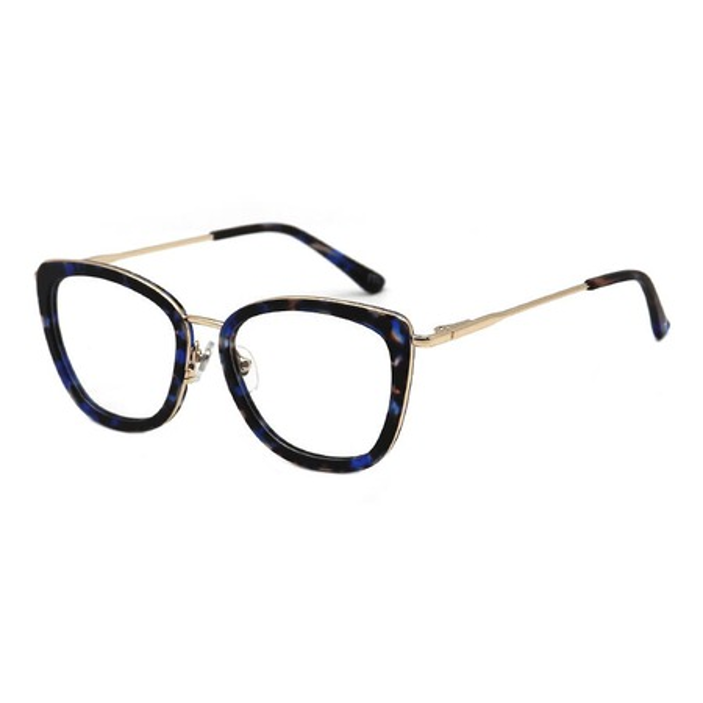
Specifying the Key Dimensions
Fit in optical frames begins with a small set of measurements, each carrying a specific role in how a frame sits.
Specifying the Key Dimensions of Optical Frames
The horizontal dimension, often described as lens width, sets how the front spans the face. It is one of the first parameters a buyer specifies because it governs the impression of size and how the front sits relative to cheekbones and temples.
Lens height defines how much of the front is covered and contributes to the shape's character. It also interacts with lens fitting, since a frame that is deep front-to-back behaves differently during assembly than a shallow one. Both dimensions are specified as a pair, because changing one without the other distorts proportions.
Bridge Width and Lens Aperture
Bridge width controls how the front rests on the nose and how the two lens areas relate. A bridge that is too wide lets the frame slide, while one that is too narrow concentrates contact. The bridge also shapes how the frame reads, so fit and appearance are decided together.
Lens aperture determines both the fitting range and the amount of material in the rim. A larger aperture supports a wider range of lens powers and thicknesses, while a smaller one suits lighter prescriptions. The rim around it has to be substantial enough to hold the lens securely without adding unnecessary weight.
Temple Length and Fitting Range
Temple length determines where the tips sit relative to the ear and how the frame is retained. It is measured along the temple, and a small change shifts the tip position noticeably. Standard lengths suit most wearers, while extended lengths serve specific fitting ranges.
Fitting range ties the dimensions together. A frame designed for a broad range specifies a front width, bridge and temple length that work together rather than optimising for a single face. Frames built around a defined range are easier for a retailer to present and sell with confidence.
Managing Weight
Weight is the most directly measurable comfort parameter in optical frames, governed by material and by how much of it the design uses.
Managing Weight in Optical Frames
Material sets the baseline. Acetate is denser and feels warmer and more substantial. Metal allows thin sections and can be kept light through dimensioning. Titanium offers a high strength-to-weight ratio for slim designs, while TR90 and PC support low weights in specific constructions.
Because the material range is wide, the recommendation follows the weight target rather than the reverse. A brief that specifies a light frame arrives at a different material set than one prioritising colour depth, and material also affects how weight is distributed rather than only how much of it there is.
Front-to-Back Balance
Weight alone does not determine how a frame feels. Balance, the distribution of mass between front and temples, changes where it presses and how it sits. A front-heavy frame can slide forward on the nose, while heavy temples can feel tight behind the ears, so balance is a design target in its own right.
Achieving it often means mixing materials or adjusting thickness rather than removing material. A slightly heavier temple can counter a heavier front, and a thinner temple can lighten a frame without shifting its centre of mass. Balance is set during development and confirmed at sampling.
Lightweight Without Losing Structure
Reducing weight has a limit, and that limit is structural integrity. A frame too light in the wrong places flexes undesirably, loses hinge tension or fails around the endpiece. Lightweight frames are therefore engineered around a structure that carries the load without unnecessary mass.
The usual approach is to place material where it is needed: rims substantial enough to hold lenses, endpieces reinforced where stress concentrates, and temples profiled so strength follows the load path. The aim is the lightest frame that still meets its fit and durability targets.
Structural Factors That Shape Comfort
Structure converts dimension and material into an actual wearing experience.
Hinge Tension and Durability in Optical Frames
Hinge tension controls how a temple opens and stays open. The right tension holds the frame securely while folding smoothly, and continues to do so after repeated use. Tension that is too loose lets the frame slip, while tension that is too tight makes the frame difficult to open and stresses the endpiece.
Durability is a function of hinge design, material and fitting. Metal hinges set into acetate must be engaged precisely so the joint stays tight, and the surrounding material must hold the screw or pin without cracking. Hinge durability is a frequent source of returns, so it is built into the specification and checked during assembly.
Temple Curve and Alignment
The temple curve determines how the frame follows the head. Temples that curve too sharply press behind the ears, while temples too straight sit loosely and let the frame shift. The curve is shaped to match the intended fitting range and is adjusted during heat-forming so it holds its geometry rather than springing back.
Alignment supports the curve by ensuring the two temples mirror each other, open to matching angles and sit level. A well aligned frame places even pressure on both sides, while a misaligned one presses more on one side.
Nose Pad Geometry and Contact Area in Optical Frames
The nose carries much of the weight, so pad geometry affects fit directly. Shape, angle and spacing determine how the frame sits and how load is spread. Pads that are too narrow or badly angled concentrate pressure, while well-shaped pads distribute it across a wider contact area.
Acetate frames often use an integrated bridge that carries the load, while metal frames use adjustable pads that allow refinement after purchase. Pad geometry is therefore set with bridge width so the two work together. Small geometry errors here are felt long before they are seen.
Keeping Fit Stable Over Time
A pair of optical frames that fits well on day one but drifts over months is a fit failure waiting to happen.
Dimensional Stability
Dimensional stability is the ability of a frame to hold shape after it has been made, adjusted and worn. Materials that move after machining leave a frame out of alignment, and uncontrolled heat-forming can soften it out of shape. Stability is a material and process property.
Geometry supports stability by placing material where adjustments occur. Temples with suitable core wire hold their curve, and endpieces strong enough keep hinge tension consistent. Stability is checked through machining, assembly and finishing rather than assumed once the frame leaves the bench.
Verifying Fit in Sampling and Bulk
Fit is verified first at sampling, where the frame is checked against its specification and fitting range. Dimension, weight, balance, hinge tension and nose contact are assessed together, and adjustments are made before tooling and bulk production.
Once approved, the sample becomes the physical reference for the run, so production verification compares finished frames against it rather than against a memory. Because fit parameters interact, verification covers the frame as a whole, since a frame that passes each check individually can still fail as a combination.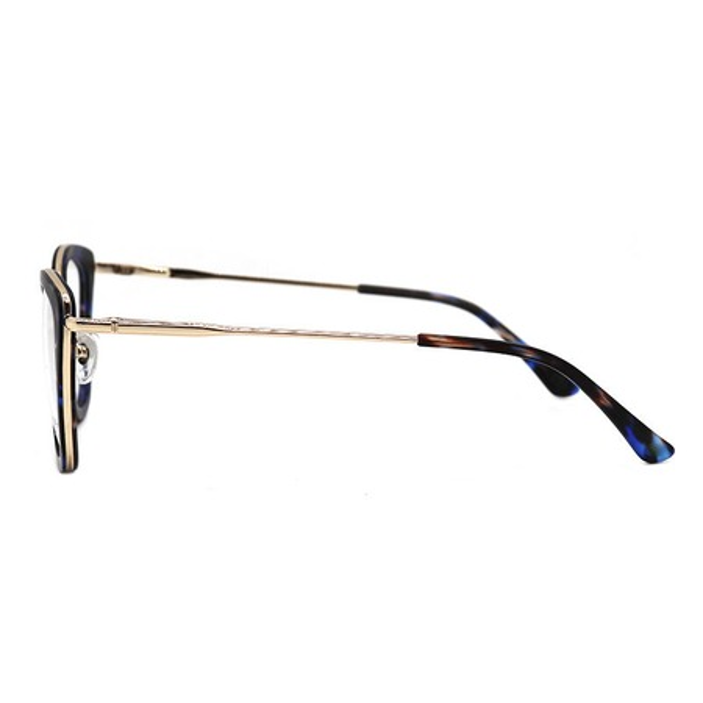
Frequently Asked Questions
What frame dimensions matter most for fit?
The most important are lens width, bridge width, lens height and temple length, together with the fitting range the frame is designed to suit. Lens width and bridge width govern how the front spans the face and rests on the nose, while lens height shapes proportions and affects lens fitting.
How does material choice affect frame weight?
Material sets the baseline weight and geometry adjusts it from there. Titanium and TR90 offer high strength for their mass, which suits light frames, while acetate is denser but provides colour depth and warmth. Metal allows slim sections that keep weight down through dimensioning.
Why do hinges and temple curve matter for fit?
They determine how a frame is retained and how evenly it contacts the head. Hinge tension keeps the temples open during wear, and durable hinges keep that tension over time so the frame does not slip. The temple curve follows the head and holds the frame in place, adjusted through heat-forming so it keeps its geometry across the life of the product.



