
 EN
Lens Batch Inconsistency at a Sunglasses Manufacturer: Causes and Corrective Actions
Discover root causes + proven corrective actions for sunglasses OEMs. Implement now.
Lens batch inconsistency represents one of the most persistent quality challenges facing modern eyewear producers. When a sunglasses manufacturer experiences variations in optical properties, coatings, tints, or dimensions across production batches, the consequences ripple through inventory management, customer satisfaction, and brand reputation. Understanding the root causes and implementing targeted corrective actions is essential for maintaining competitive advantage in the eyewear industry.
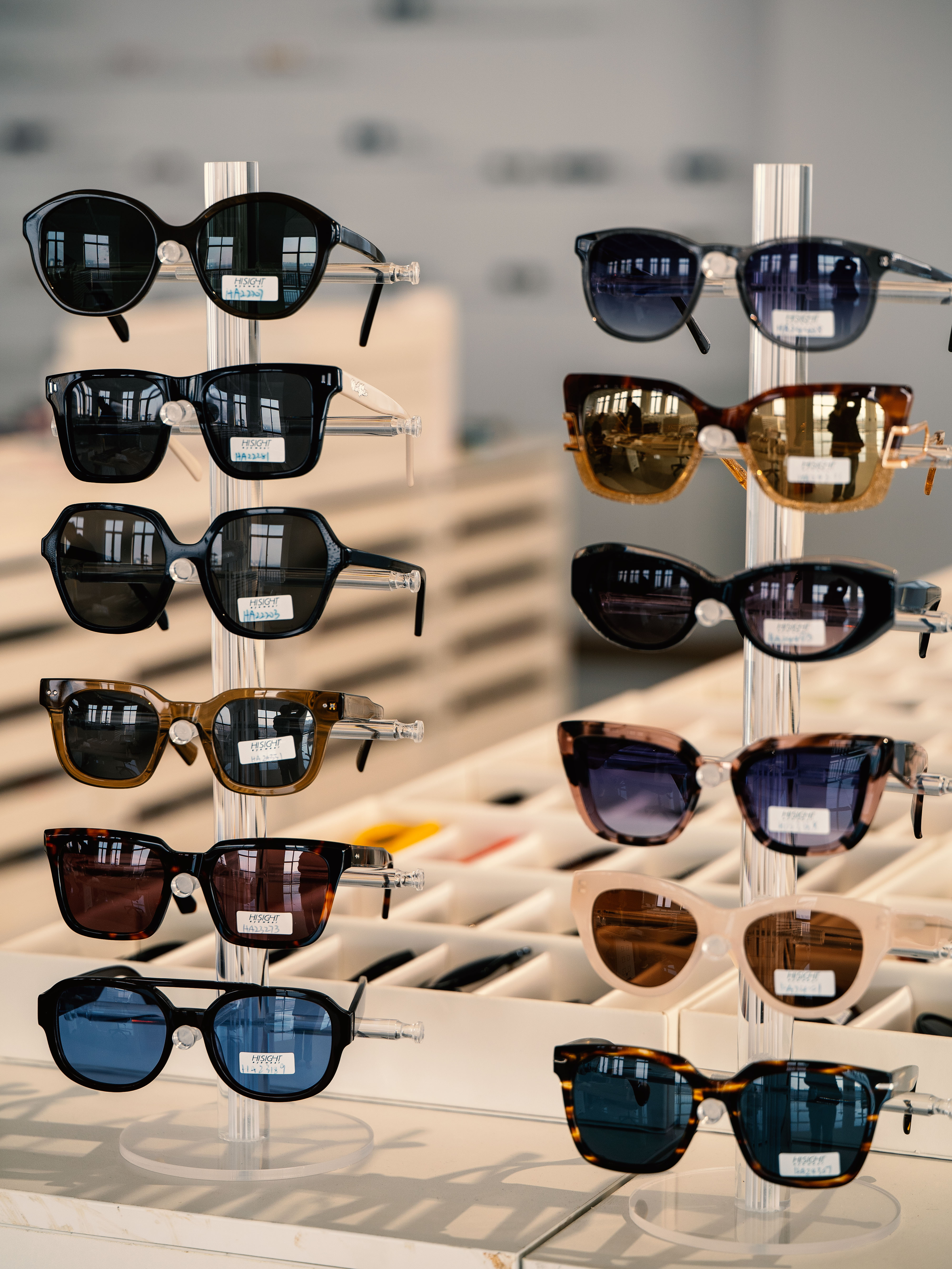
For any sunglasses factory operating at scale, batch-to-batch inconsistency threatens product uniformity and creates compliance risks. This guide explores the technical origins of lens batch inconsistency, identifies measurable indicators of quality drift, and presents systematic corrective actions that leading sunwear oem factory operations employ to maintain consistency across high-volume production runs.
Understanding the Root Causes of Lens Batch Inconsistency
Material Supply and Raw Material Variance
The foundation of lens consistency begins with raw material sourcing. A sunglasses manufacturer depends on suppliers providing optical-grade polycarbonate, CR-39, or glass with tight specifications. When suppliers introduce material from different production lots, the molecular composition, viscosity, and optical properties can shift subtly. These variations become magnified during molding and casting processes, resulting in refractive index drift, surface quality differences, or color inconsistency across batches.
A sunglasses factory must establish incoming material inspection protocols that verify batch certifications, test samples for refractive index compliance, and confirm additive concentrations. Without rigorous supplier qualification and material traceability, even premium-grade raw materials can introduce drift into finished lens batches.
Equipment Calibration and Process Drift
Production equipment in a sunwear oem factory operates within tight thermal, pressure, and timing windows. Molding machines, casting kettles, and curing ovens gradually drift from calibrated settings due to thermal cycling, wear, and environmental fluctuations. A sunglasses manufacturer producing large batches may not detect equipment drift until dozens of units display optical defects or coating adhesion failures. Temperature variations of just 2–3 degrees Celsius in a curing oven can shift curing rates, leading to refractive index variance of 0.005 or higher across a batch.
Preventive maintenance schedules that include regular calibration checks, thermal mapping studies, and pressure validation reduce drift significantly. Leading producers implement real-time equipment monitoring systems that log parameters continuously and flag deviations before they affect lens quality.
Identifying and Measuring Batch Inconsistency
Optical Testing and Performance Metrics
A sunglasses manufacturer must establish objective testing criteria to quantify inconsistency. Refractive index measurement, prism error testing, and surface finish inspection reveal numerical variance between batches. Modern facilities employ automated optical testing stations that measure dozens of parameters per lens and generate statistical control charts showing batch-to-batch drift. When a sunglasses factory tracks metrics such as mean lens power, cylinder variance, and coating uniformity across batches, patterns emerge that point to specific process or material sources.
Visual and Functional Assessment
Beyond optical data, a sunwear oem factory conducts visual inspection protocols comparing batch samples side-by-side under standardized lighting. Color consistency, surface scratches, coating completeness, and dimensional tolerance checks provide early-warning signals of production drift. Statistical process control methods help distinguish random variation from systematic trends requiring intervention.
Implementing Corrective Actions and Process Improvements
Material Control and Supplier Management
A sunglasses manufacturer strengthens batch consistency by establishing material traceability systems. Each raw material lot must be linked to finished lens batches through production records, enabling rapid root-cause identification if inconsistency appears. Supplier agreements should mandate batch testing certificates, require material retention samples, and include penalty provisions for specification drift. Many producers now implement vendor rating systems that evaluate suppliers on material variance trends, on-time delivery, and technical support quality.
Process Standardization and Equipment Management
A sunglasses factory reduces process drift through detailed standard operating procedures that specify exact equipment settings, cycle times, and environmental controls for each lens material and design. Thermal mapping studies validate oven uniformity, while pressure transducers confirm molding machine calibration. Implementing preventive maintenance schedules tied to equipment hours and documented equipment genealogy—tracking which machines produced which batches—enables rapid correlation analysis when inconsistency surfaces. A sunwear oem factory deploying real-time SPC (Statistical Process Control) systems catches equipment drift within 5–10 units rather than waiting for end-of-batch inspections.
Testing and Quality Assurance Enhancement
Expanding in-process testing reduces batch inconsistency substantially. Rather than testing only finished lenses, a sunglasses manufacturer implements sample testing at intermediate stages: raw material incoming checks, post-molding optical verification, post-coating checks, and final assembly validation. Automated optical inspection systems using polariscopes, refractometers, and spectrophotometers provide real-time feedback loops. When deviations are detected early, production can be halted, parameters adjusted, and waste minimized.
FAQ
What causes lens batch inconsistency in sunglasses manufacturing?
Lens batch inconsistency typically stems from raw material variance from suppliers, equipment calibration drift due to thermal cycling or wear, inadequate process control, environmental fluctuations in production facilities, and insufficient in-process testing. A sunglasses manufacturer experiencing batch drift should investigate material sourcing first, then examine equipment performance and environmental conditions systematically.
How does a sunwear oem factory detect batch inconsistency early?
Early detection requires implementing automated optical testing at multiple process stages rather than relying solely on final inspection. Refractive index testing, prism error measurement, and surface finish evaluation of batch samples, combined with Statistical Process Control charting, reveal drift before it reaches customer-visible levels. A sunglasses factory conducting thermal mapping of production equipment and maintaining equipment genealogy records can correlate specific machines or settings to inconsistency patterns.
What is the most cost-effective corrective action for a sunglasses factory?
Material traceability and supplier management often deliver the highest return on investment. By strengthening incoming material inspection, establishing vendor rating systems, and requiring batch certifications, a sunglasses manufacturer eliminates one of the most common inconsistency sources without capital equipment investment. Combined with documented preventive maintenance and basic in-process testing, this approach significantly reduces batch variance and supports continuous improvement culture across the sunwear oem factory.



