
 EN
Hinge Fatigue Testing Methods for Optical Frames: Key Differences and Selection Factors
Compare cyclic, torque, and spring-hinge methods—plus material-specific criteria. Optimize durability & compliance now.
The durability of optical frames depends heavily on rigorous hinge fatigue testing, a critical quality assurance process that ensures eyeglass frames can withstand daily wear and repeated opening and closing cycles. Understanding the various testing methodologies available helps manufacturers, distributors, and quality professionals select the most appropriate evaluation approach for their specific optical frames designs and market requirements. Hinge fatigue testing represents one of the most demanding phases of optical eyewear production, as hinges are among the most stressed components in any frame design.
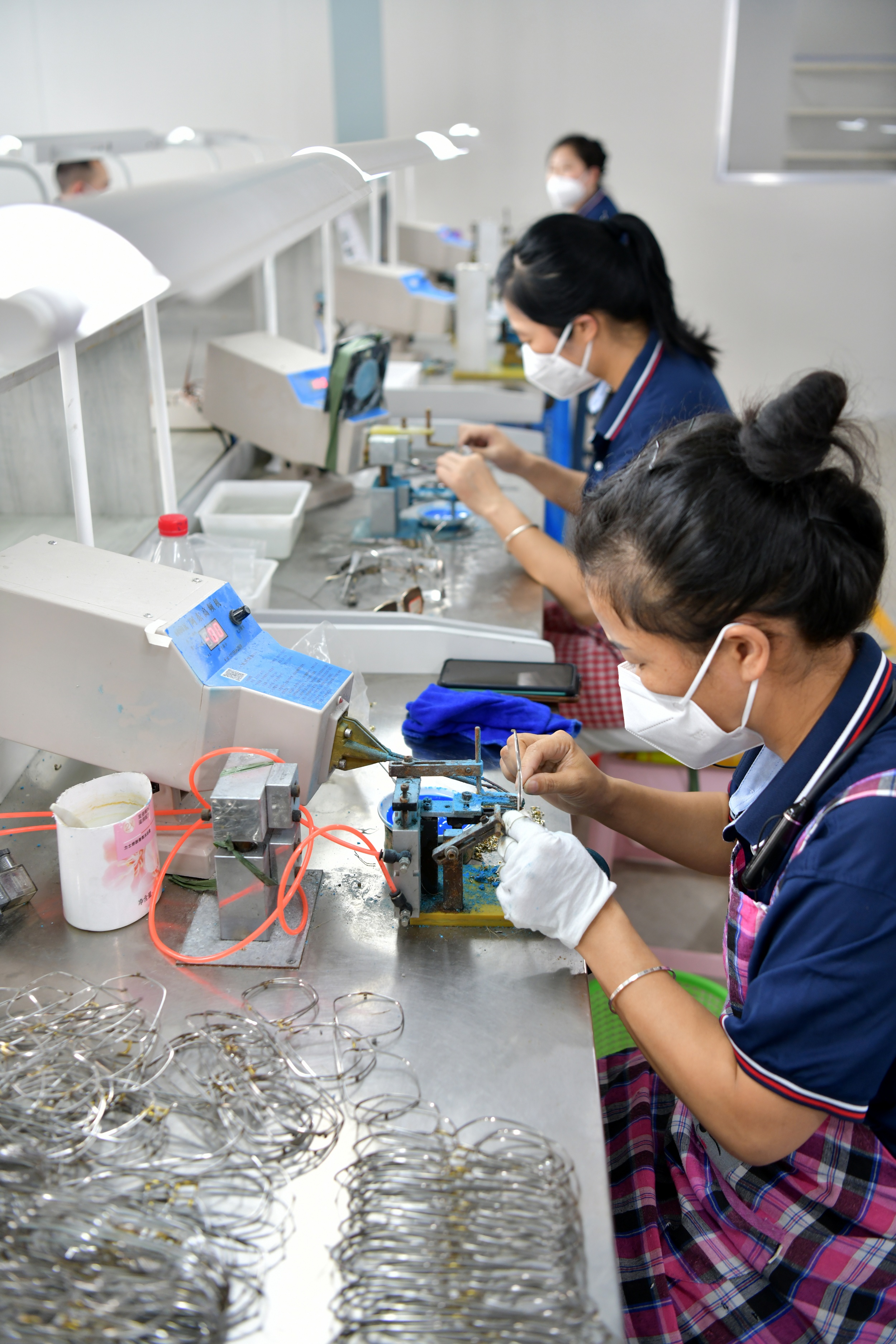
Prescription frames and eyeglass frames manufacturers invest significant resources in developing testing protocols that accurately predict real-world hinge performance. Different materials, hinge designs, and construction techniques require tailored testing approaches to ensure longevity and customer satisfaction. The selection of appropriate testing methods directly impacts product reliability, warranty claims, and brand reputation in the competitive optical eyewear market.
Standard Testing Methodologies for Optical Frames Durability
Cyclic Opening and Closing Tests
Cyclic opening and closing tests represent the most fundamental approach to evaluating hinge strength in prescription frames and eyeglass frames. These tests involve automated equipment that repeatedly opens and closes the frames at a controlled rate, typically measuring the number of cycles until failure occurs or performance degradation becomes noticeable. The process simulates years of normal user handling compressed into a manageable testing timeframe, allowing manufacturers to assess whether optical frames can survive consumer-expected lifespans.
Modern testing equipment can perform thousands of cycles per day, with technicians monitoring force resistance, resistance to lateral movement, and surface wear patterns throughout the test duration. The speed of cycling, the angle of opening, and the applied force all influence test results, making it essential that testing parameters align with anticipated real-world usage patterns for the specific eyewear design.
Torque and Resistance Measurement
Torque testing measures the rotational force required to open and close optical frames, providing quantitative data about hinge tightness and wear progression. This method is particularly valuable for prescription frames and eyeglass frames designed for different user demographics, as children's frames typically require different torque specifications than adult optical eyewear to ensure safety and usability. Testing protocols establish acceptable torque ranges at the beginning of a frame's life and after accelerated fatigue cycling.
As optical frames undergo repeated stress, hinge torque typically decreases, indicating component loosening or material degradation. Resistance measurement during cyclic testing helps identify the point at which frames transition from normal wear to functional failure, establishing critical thresholds for product acceptance or rejection in quality control processes.
Material and Design Considerations in Hinge Testing
Metal versus Plastic Hinge Performance
Metal hinges in prescription frames and eyeglass frames generally demonstrate superior fatigue resistance compared to plastic alternatives, though metal components may introduce different failure modes such as corrosion or metal stress fractures. Optical frames constructed with quality metal hinges can typically withstand ten thousand to fifty thousand cycles before showing significant wear, depending on alloy composition and manufacturing precision. Testing methodologies must account for material-specific stress responses, as plastic hinges may fail through cracking or deformation while metal hinges might experience fatigue fractures or hinge loosening.
The selection between metal and plastic hinge materials for optical eyewear involves trade-offs between durability, weight, cost, and aesthetic considerations. Eyeglass frames manufacturers conducting hinge fatigue testing must establish separate acceptance criteria for each material type, recognizing that a testing protocol effective for titanium alloy hinges may not provide meaningful data for acetate or nylon components.
Spring Hinge Technology Assessment
Spring hinges in prescription frames and eyeglass frames introduce additional complexity to fatigue testing by incorporating tension mechanisms that affect stress distribution and wear patterns. These innovative optical frames designs provide enhanced comfort and flexibility, but their internal spring components require specialized testing approaches that evaluate both the primary hinge assembly and the spring mechanism independently. Testing protocols for spring-loaded optical eyewear must measure whether spring tension remains consistent throughout the product's intended lifespan.
The progressive relaxation of spring components in eyeglass frames represents a gradual degradation mode distinct from catastrophic hinge failure, requiring sensitive measurement equipment to detect subtle changes in performance. Optical frames with spring hinges may pass traditional cyclic testing while exhibiting unacceptable spring tension loss, necessitating additional specialized test procedures focused on tension measurement and consistency.
Selection Factors and Implementation Strategies
Choosing Appropriate Testing Standards
Industry standards such as ISO 12312 provide frameworks for hinge durability assessment in prescription frames and eyeglass frames, establishing baseline testing parameters that ensure consistency across manufacturers and product categories. However, optical eyewear manufacturers often develop proprietary testing protocols that exceed standard requirements, reflecting their specific design philosophies and target market expectations. The selection of testing standards depends on geographic market focus, regulatory requirements, and competitive positioning within the eyeglass frames industry.
Organizations producing optical frames must evaluate whether standard testing protocols adequately represent their users' actual behavior patterns or whether customized testing approaches would provide more decision-useful quality insights. Children's prescription frames, professional optical eyewear, and fashion-oriented designs each present unique usage scenarios that may warrant tailored testing methodologies beyond generic industry standards for eyeglass frames.
Integrating Testing into Production Workflows
Effective hinge fatigue testing for prescription frames and eyeglass frames requires systematic integration into manufacturing workflows rather than testing only final products. Sampling programs, in-process testing checkpoints, and supplier qualification protocols help manufacturers identify material or construction issues before they reach final assembly stages in optical eyewear production. Strategic testing placement throughout the production cycle enables faster problem resolution and reduces the risk of quality issues reaching end consumers of optical frames.
Statistical process control methods applied to hinge testing data from eyeglass frames production lines reveal trends and patterns that guide process improvements and vendor selection decisions. By monitoring torque stability, cycle-to-failure consistency, and failure mode distribution across production batches, manufacturers of optical eyewear optimize their quality systems and strengthen confidence in prescription frames durability.
FAQ
What is the typical number of cycles optical frames should withstand in hinge fatigue testing?
Standard industry protocols typically require eyeglass frames to withstand between ten thousand and twenty-five thousand opening and closing cycles, though premium optical frames designs and children's prescription frames may be tested to higher standards. The specific cycle requirement depends on the intended market, material composition, and manufacturer specifications for optical eyewear durability expectations.
How do environmental factors affect hinge durability in optical frames?
Environmental exposure to temperature variations, humidity, and chemical substances influences how prescription frames and eyeglass frames respond to fatigue stress during testing. Quality testing protocols may incorporate environmental conditioning phases that expose optical eyewear to temperature extremes or humidity chambers before or during cyclic testing to simulate real-world conditions and ensure robust eyeglass frames designs.
Can hinge fatigue testing predict actual user experience with optical frames?
Laboratory hinge fatigue testing provides reliable indicators of relative durability among prescription frames and eyeglass frames designs, though user experience involves factors beyond hinge mechanics such as comfort, aesthetic appeal, and personal handling practices. Testing results for optical frames offer manufacturers confidence in product reliability and help establish appropriate warranty periods and quality guarantees for optical eyewear.



