
 EN
Specification Errors Before Sunglasses Mass Production Begins: Quality Control in Production
Avoid costly rework & brand damage: Discover 5 proven pre-production QC steps that catch specification errors early.
Quality control begins long before a sunglasses manufacturer ever starts mass production. Specification errors discovered during the initial stages of manufacturing can cost thousands in wasted materials, labor hours, and compromised brand reputation. Every responsible sunglasses factory understands that preventing defects early is exponentially more cost-effective than correcting them after production has begun. This article explores critical quality control procedures that identify and eliminate specification errors before mass production runs, ensuring your eyewear meets exact standards from the first unit to the last.
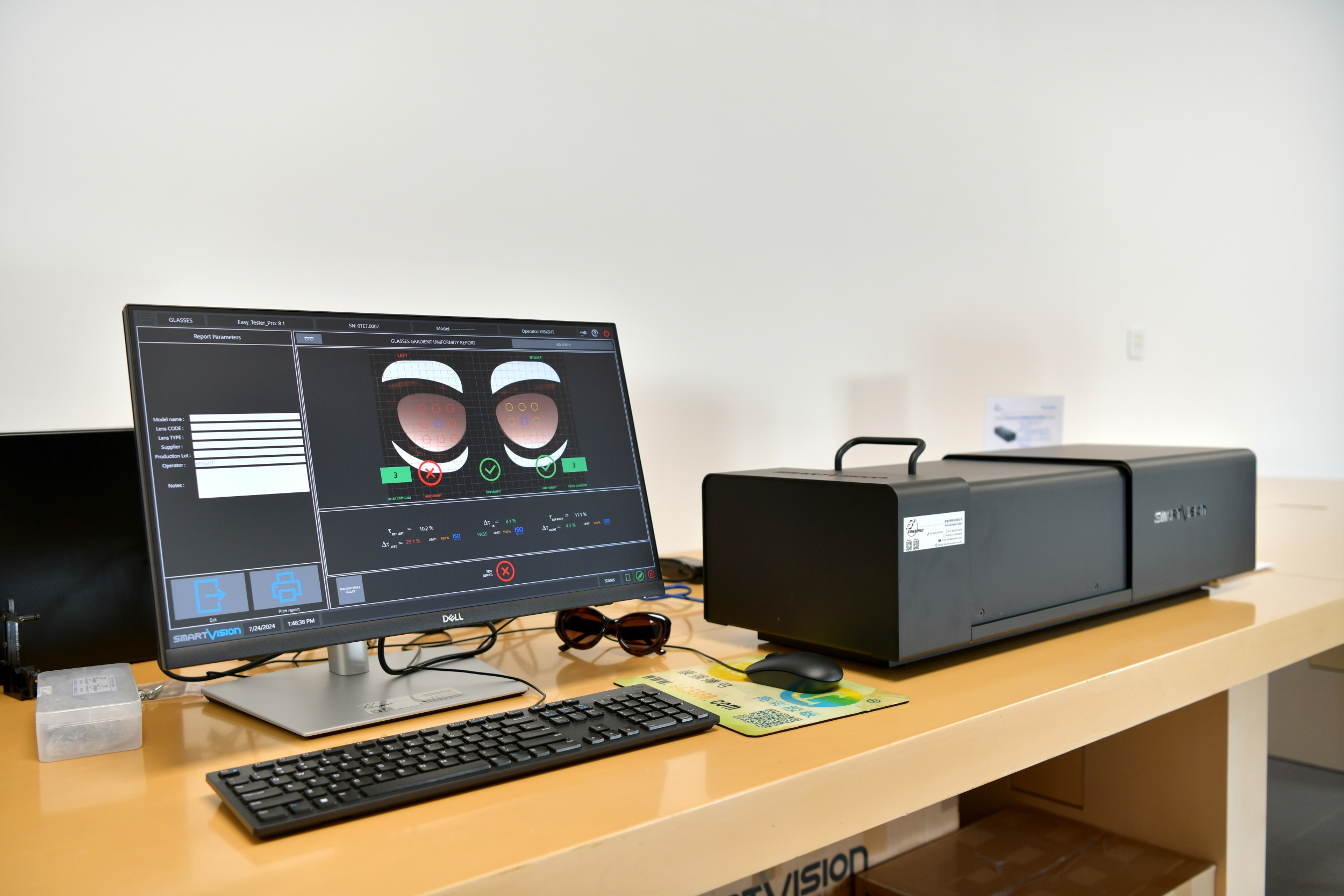
The transition from design concept to production reality demands rigorous specification verification. A sunwear oem factory that skips this critical phase risks delivering substandard products that damage customer trust and create costly return cycles. Pre-production quality checks serve as the first line of defense against errors that could otherwise propagate across thousands of units. Understanding these procedures helps ensure that your manufacturing partnership delivers consistent, specification-compliant products that meet market expectations and regulatory requirements.
Understanding Pre-Production Specification Review
Documentation and Design Confirmation
Before any sunglasses factory begins tooling setup or material procurement, the complete technical documentation must be reviewed and formally approved by all stakeholders. This includes detailed drawings, material specifications, lens prescriptions, frame dimensions, hinge specifications, and finish requirements. A sunglasses manufacturer typically creates a master specification document that serves as the reference standard throughout production. Any ambiguities or discrepancies must be resolved at this stage through written communication and formal approval before proceeding to prototyping.
Prototype Development and Evaluation
The prototype phase represents the most critical pre-production checkpoint. A professional sunwear oem factory will produce sample units using the exact materials and processes intended for mass production, not shortcuts or substitutes. These prototypes undergo dimensional verification using precision measuring instruments, including frame width, lens size, bridge width, temple length, and lens thickness. Material samples are tested for hardness, flexibility, UV protection, and durability. The manufacturer must confirm that all design features function as intended—hinges move smoothly, lenses fit securely, coatings adhere properly, and all components align within acceptable tolerances.
Critical Quality Control Checkpoints Before Production
Material Specification Verification
Each material component used by a sunglasses factory must meet precisely defined specifications to ensure consistent product quality. Frame materials might include titanium, acetate, polyamide, or metal alloys, each with distinct specifications for composition, hardness, and corrosion resistance. Lens materials require certification for optical clarity, UV blocking capacity, impact resistance, and chemical stability. A sunglasses manufacturer working with suppliers must request and verify material test certificates before accepting raw materials. This prevents situations where substandard materials enter production and compromise the final product without immediate visibility.
Tooling and Equipment Calibration
Manufacturing equipment must be precisely calibrated before mass production begins. A sunwear oem factory conducts detailed equipment verification to ensure that injection molding machines, cutting equipment, assembly fixtures, and finishing tools all operate within specification. Pressure settings, temperature controls, cycle times, and precision tolerances are confirmed through test runs and measurement verification. Equipment calibration certificates provide documented proof that machines meet production requirements. When equipment drifts out of specification during production, products can fail to meet design requirements despite technically being manufactured using the approved process.
Process Validation and First Article Inspection
First Article Inspection Procedures
The first article inspection (FAI) represents the formal gate between pre-production and mass production. A sunglasses manufacturer conducting FAI selects the first completed units from production setup and measures every dimension and characteristic defined in the specification document. Frame geometry is verified using coordinate measuring machines, lens optical properties are tested with precision instruments, and all assembly components are inspected for proper fit and function. Documentation of FAI results creates an official record proving that the initial production run met all requirements. Any deviation identified during FAI halts production until the issue is resolved and corrected.
Statistical Process Control Planning
Before mass production begins, a sunwear oem factory establishes statistical process control (SPC) monitoring protocols. These protocols define how frequently measurements will be taken, which characteristics will be monitored, and what acceptable variation ranges exist for each specification. A sunglasses factory that implements SPC can detect drift in production quality early, allowing corrective action before significant defect accumulation occurs. Control charts track key measurements over time, creating visual evidence of process stability and predictability. This data-driven approach prevents surprises and demonstrates quality commitment to customers and regulatory bodies.
Common Specification Errors and Prevention Strategies
Dimensional Tolerance Mismatches
One of the most frequent errors identified before mass production involves dimensional specifications that cannot be achieved with standard manufacturing processes. A sunglasses manufacturer might specify frame widths, lens sizes, or hinge positions with tolerances so tight that conventional tooling cannot consistently produce them. Prevention requires engineering collaboration between design and manufacturing teams to establish realistic tolerances that balance functional requirements with manufacturing capability. Tolerance verification during prototype development catches these mismatches before expensive tooling investment occurs.
Material Property Conflicts
Specification errors sometimes involve material selections that conflict with manufacturing processes or functional requirements. A sunwear oem factory might receive specifications calling for coatings or finishes incompatible with chosen base materials, or material combinations that degrade during assembly processes. Process development testing during pre-production reveals these conflicts and allows specification revision before mass production commitment. Material engineers work with designers to identify compatible material combinations that deliver required aesthetics and performance while remaining manufactureable at scale.
FAQ
What happens if specification errors are discovered during mass production?
Discovery of specification errors during mass production creates significant problems. A sunglasses manufacturer must immediately halt production, investigate root causes, implement corrections, and revalidate the manufacturing process. Depending on error severity, previously produced units might require rework, scrap, or recall. This situation consumes time, money, and management attention that could have been prevented through thorough pre-production verification. Customers experience delays, and the manufacturer's reputation suffers from delivery failures or quality issues.
How long should pre-production quality control typically require?
Timeline for comprehensive pre-production quality control varies by product complexity but typically requires 4-8 weeks for a sunwear oem factory. This includes design review, prototype development, material testing, tooling validation, equipment setup, first article inspection, and statistical process control planning. A sunglasses factory cannot safely compress this timeline without increasing defect risk. Experienced manufacturers build appropriate pre-production time into project schedules, understanding that this investment prevents far greater costs downstream during mass production.
Can specification errors be corrected during production runs?
Minor specification adjustments might be possible for some parameters during production, but significant changes typically require stopping the line and revalidating the entire process. A sunglasses manufacturer generally avoids mid-production specification changes because they create inconsistency between early and late production batches. Formal change control procedures govern any specification modifications, requiring documentation, re-approval, and re-validation before implementation. The most efficient approach involves getting specifications correct before production begins through rigorous pre-production verification.



