
 EN
Production Processes at a Sunglasses Manufacturing Facility: A Technical Guide for Eyewear Buyers
Want to vet sunglasses OEM factories confidently? Discover CNC, lens coating, QA protocols & lead times that define top-tier eyewear production.
Understanding the inner workings of a sunglasses manufacturer is essential for eyewear buyers seeking quality products and reliable supply partners. The production process at a modern sunglasses factory involves coordinated steps spanning design, material selection, precision manufacturing, quality assurance, and final packaging. A professional sunglasses manufacturer combines technical expertise with industrial-scale equipment to deliver consistent results across thousands of units. Whether you're sourcing for retail distribution or building a branded eyewear line, knowing how a sunglasses factory operates helps you evaluate potential partners and set realistic expectations for lead times, customization options, and product quality.
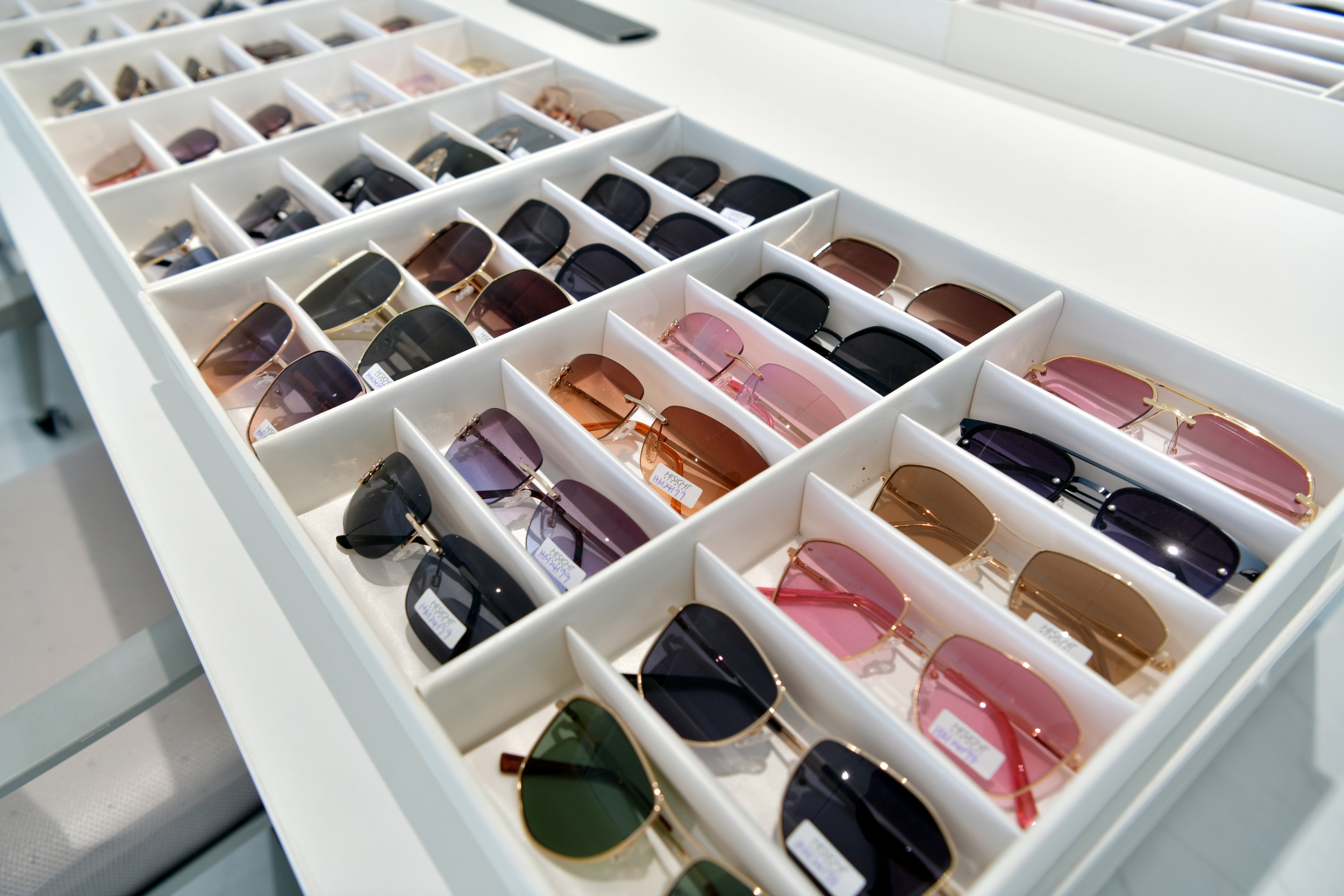
The technical capabilities of a sunglasses factory determine both the quality ceiling and production flexibility available to buyers. Modern manufacturing facilities invest heavily in Computer Numerical Control (CNC) machinery, injection molding systems, lens coating equipment, and automated assembly lines. These tools enable a professional sunglasses manufacturer to produce frames in various materials—acetate, titanium, stainless steel, and composite polymers—each requiring specialized processing techniques. Understanding these production capabilities allows you to identify which sunwear oem factory partner can best match your specifications, timeline, and volume requirements.
Frame Manufacturing and Material Processing
Material Selection and Preparation
The foundation of any quality product begins with material choice. A sunglasses manufacturer sources raw materials from trusted suppliers, with each material type demanding different handling protocols. Acetate, a cellulose-based thermoplastic, arrives in large sheets that undergo cutting, tempering, and grinding before frame assembly. Titanium and stainless steel materials require precision forging and machining to achieve the exact dimensions specified in engineering drawings. The sunglasses factory maintains strict material traceability systems to ensure batch consistency and compliance with international standards. Before production begins, material samples are tested for color uniformity, tensile strength, and chemical resistance.
Frame Shaping and Component Manufacturing
Once materials are prepared, a sunglasses manufacturer uses CNC machinery to shape individual frame components. Acetate pieces pass through precision cutting machines that sculpt the bridge, temple arms, and front assembly according to digital specifications. For metal frames, a sunwear oem factory employs stamping, forging, or machining processes to create components with tolerances as tight as 0.1 millimeters. Automated grinding and polishing stations smooth edges and surfaces, removing imperfections that could affect comfort or durability. This phase requires constant quality monitoring—each component is measured against specification limits, and any part falling outside tolerance is automatically rejected before it reaches assembly.
Assembly, Lens Installation, and Quality Integration
Component Assembly and Hinge Installation
Assembly is where individual components come together as a finished frame. At a sunglasses factory, workers or automated robotic systems align the front piece with temple arms, installing screws, hinges, and nose pads in precise sequences. A professional sunglasses manufacturer maintains assembly stations organized by product model, with each station stocked with the exact components needed. Hinge quality directly impacts user satisfaction—inferior hinges fail quickly and undermine brand reputation. The sunglasses factory applies torque specifications to every fastener and tests hinge rotation to ensure smooth operation and proper tension. Templates and jigs hold components in exact alignment during assembly, preventing misalignment that could cause lens fit problems or aesthetic defects.
Lens Cutting, Coating, and Optical Integration
Lens installation requires equal technical precision. A sunwear oem factory receives lens blanks—large circular pieces of optical material—and uses automated edging equipment to cut each lens to the exact shape and curvature specified by the frame design. During this cutting phase, the lens maintains its optical properties while gaining the precise perimeter fit required for secure mounting. After cutting, the sunglasses manufacturer applies protective coatings: anti-reflective layers, UV protection, scratch resistance, and anti-glare treatments. These coatings are applied through vacuum deposition or wet chemical processes, each requiring specific environmental conditions and quality testing. Lenses are then inserted into the frame using precision pressing equipment, with pressure profiles calibrated to secure the lens without causing optical distortion or material stress.
Quality Control, Testing, and Final Production
Multi-Stage Quality Assurance Protocols
Quality control runs throughout production at every sunglasses factory. After assembly and before packaging, each unit undergoes systematic inspection. A professional sunglasses manufacturer tests optical clarity by checking for scratches, bubbles, and distortion. Lens alignment is verified—the two lenses must be parallel to maintain binocular vision comfort and prevent eye strain. UV protection levels are measured using specialized equipment to confirm that lenses block the required percentage of ultraviolet radiation. Hinge function is stress-tested by opening and closing the frame hundreds of times to ensure durability. Color consistency is verified against approved samples using spectrophotometers. Any unit failing any test parameter is segregated and either reworked or scrapped. A sunwear oem factory typically maintains rejection rates between 2% and 5%, depending on customization complexity and specification tightness.
Documentation, Packaging, and Compliance
Once units pass all quality gates, a sunglasses manufacturer documents each batch with test results, material certificates, and production logs. This traceability enables buyers to verify compliance with international standards—ISO 12312-1 for solar eyewear, FDA regulations for UV protection, and CE marking for European markets. The sunglasses factory prepares each unit for shipment by placing it in protective cases, adding microfiber cleaning cloths, and including product documentation and warranty cards. Boxes are then palletized according to buyer specifications, with labels tracking SKU, production date, and destination. Professional sunglasses manufacturers maintain climate-controlled storage to prevent environmental stress on materials before shipment. Lead times from order confirmation to container departure typically range from 30 to 60 days, depending on customization requirements and production volume.
FAQ
What production capabilities should I look for when selecting a sunglasses manufacturer?
When evaluating a sunglasses factory, assess their equipment diversity, material sourcing relationships, customization flexibility, and quality certifications. A professional sunglasses manufacturer should offer CNC machining for frame components, multiple material options, lens coating capabilities, and automated assembly infrastructure. Verify their quality management certifications—ISO 9001 is standard—and their ability to produce sample units before committing to full production runs. Request samples of their work and ask about their rejection rates and quality audit procedures. The sunwear oem factory you select should have experience with your target market requirements and established processes for regulatory compliance in your geography.
How long does production typically take at a sunglasses factory?
Standard production timelines at a sunglasses manufacturer range from 30 to 60 days after order confirmation, depending on complexity and volume. Simple reorder production with existing molds and specifications typically takes 4 to 6 weeks. Custom frame designs requiring new mold creation or material testing can extend to 8 to 12 weeks. A sunglasses factory's lead time also depends on their current production capacity—seasonal demand fluctuations, other customer orders, and material availability all influence scheduling. Always clarify lead times in writing before placing orders and discuss rush options if available. Building in contingency time into your supply chain planning is advisable.
What quality standards should a professional sunglasses manufacturer meet?
A reputable sunglasses factory should comply with ISO 12312-1 for solar eyewear performance, maintain ISO 9001 quality management certification, and meet FDA requirements if selling into the United States market. The sunwear oem factory should provide UV protection test reports, optical clarity documentation, and material safety certificates for all components. CE marking is required for European sales, and various markets have specific standards for lens tint, impact resistance, and labeling. A professional sunglasses manufacturer will document their testing procedures, maintain batch traceability records, and be transparent about their quality metrics and rejection protocols. Request copies of third-party lab test results and audit documentation before finalizing partnerships.



