
 EN
Quality Checkpoints a Sunglasses Manufacturer Should Run: A Technical Guide for Eyewear Buyers
Discover material, lens, assembly & compliance standards to protect your brand. Download checklist.
Selecting the right sunglasses manufacturer requires understanding the technical quality checkpoints that separate reliable suppliers from those cutting corners. Whether you're a distributor, retailer, or brand owner sourcing eyewear, the manufacturing process involves dozens of critical steps where quality can either be maintained or compromised. This guide walks you through the essential technical inspections and quality standards that professional buyers should evaluate when assessing any sunglasses factory.
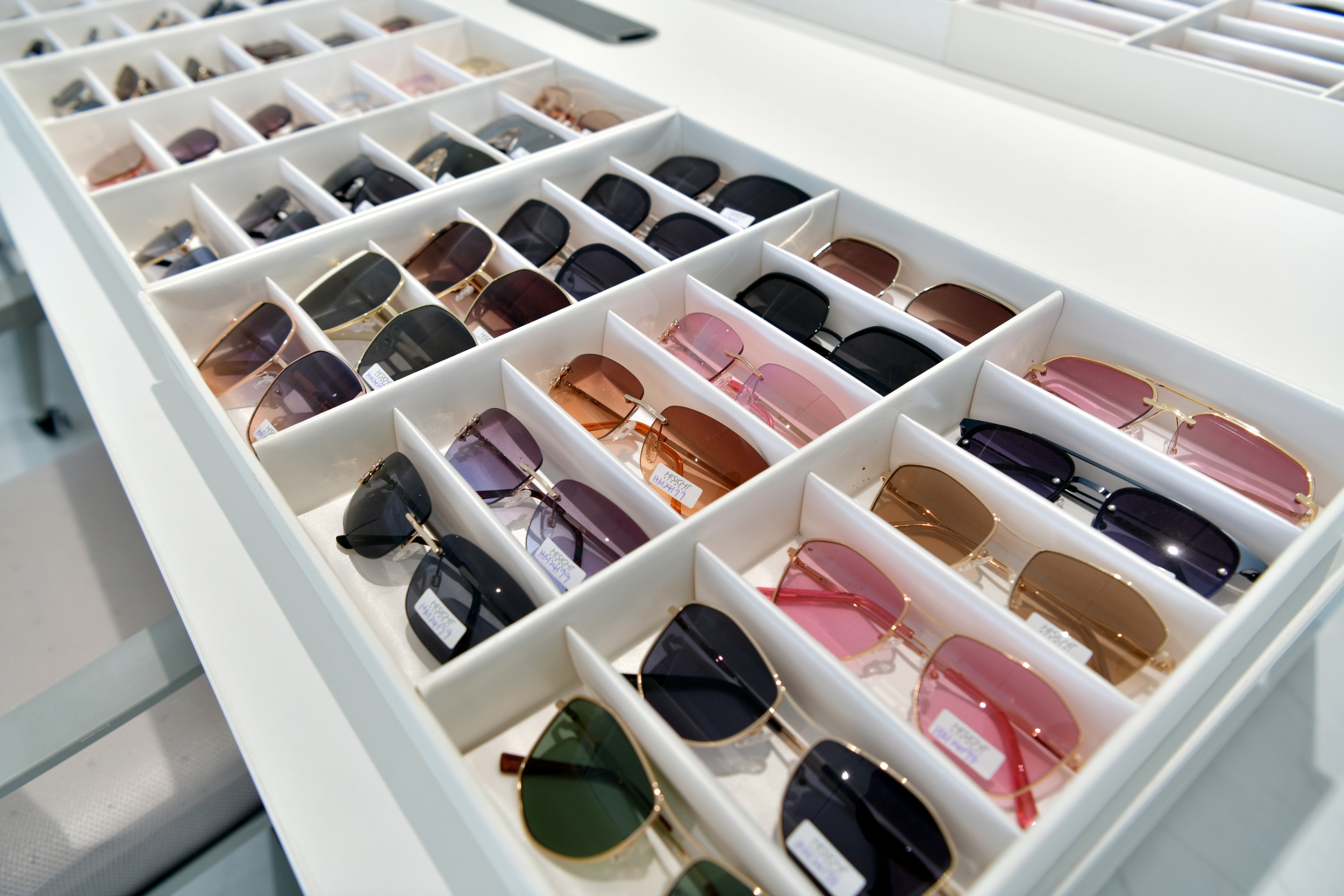
Quality in eyewear manufacturing spans material composition, lens optical performance, frame durability, finishing consistency, and assembly precision. A professional sunwear oem factory must demonstrate systematic quality control across raw material inspection, production processes, finished goods testing, and packaging verification.
Material Sourcing and Component Verification
Raw Material Inspection Standards
The foundation of quality eyewear starts with material sourcing. A reputable sunglasses factory must maintain documented procedures for incoming material inspection. When evaluating a potential supplier, ask about their material certifications, supplier audits, and rejection protocols. Lens materials including polycarbonate, CR-39, and photochromic coatings require specific purity standards and refractive index accuracy. Frame materials such as acetate, titanium, stainless steel, and bio-based polymers must meet durability and chemical resistance specifications.
Request material safety data sheets and ask the sunwear oem factory how they verify optical properties before production begins. Legitimate manufacturers use spectrophotometers to measure lens light transmission and polarization quality. They maintain batch traceability systems that link finished products back to specific material lots. This level of documentation prevents costly recalls and ensures consistency across production runs. Verify that the factory has written standards for acceptable color variation, surface defects, and dimensional tolerances for every component.
Component Testing and Specifications
Beyond basic material inspection, a quality sunglasses manufacturer runs functional tests on individual components before assembly. Lenses must undergo optical testing including haze measurement, impact resistance certification per ANSI Z87.1 standards, and polarization verification if applicable. Frame components should be stress-tested to detect weak points in hinges, bridge design, and temple connections. A professional sunglasses factory documents all test results and maintains statistical process control charts to identify manufacturing drift before it affects product quality.
Ask your potential manufacturer about their quality assurance equipment and calibration procedures. Do they use automated optical testing systems or manual inspection? How frequently are their instruments recalibrated? What happens when a component fails testing? A thorough sunglasses manufacturer will have clear escalation procedures and root cause analysis protocols rather than simply discarding failed parts without investigation.
Production Process Controls and Assembly Quality
Lens Coating and Surface Treatment
Lens coating quality directly impacts durability and visual performance. When evaluating a sunwear oem factory, inspect their coating application process for consistency and defect detection. UV protective coatings must be applied uniformly to prevent degradation of polymers over time. Anti-reflective coatings require precise thickness control to achieve intended light transmission and glare reduction. A quality sunglasses manufacturer uses spectrophotometric testing to verify coating thickness and adhesion strength on sample lenses from each batch.
Surface treatment such as hardening, anti-scratch, and oleophobic coatings requires meticulous application and curing protocols. Ask the manufacturer about their humidity and temperature controls during coating processes, as environmental fluctuations can cause coating failure. Request information about their adhesion testing methods and failure rates. Legitimate factories maintain detailed coating process logs documenting application thickness, curing time, temperature, and humidity for every production run to enable traceability.
Assembly and Mechanical Consistency
Frame assembly represents a critical quality checkpoint where precision directly affects wearer comfort and product durability. A professional sunglasses manufacturer monitors bridge height, temple length, pantoscopic tilt, and hinge tightness within specified tolerances. Assembly workers should receive regular training and work under controlled environmental conditions to maintain consistency. The sunglasses factory should implement in-process inspection at key assembly stages rather than only final inspection.
Mechanical testing should include hinge flex testing, nose pad adhesion verification, and temple durability testing under simulated use conditions. Ask whether the manufacturer uses automated assembly or manual techniques, and what quality controls are in place for each method. Documented inspection checklists, measurement records, and sample retention protocols demonstrate a commitment to traceability and continuous improvement. A quality sunwear oem factory will readily share statistical defect data and explain their corrective action procedures when issues arise.
Testing Protocols and Compliance Standards
Optical and Impact Performance Testing
Professional eyewear requires compliance with international optical and safety standards. A credible sunglasses manufacturer follows ANSI Z87.1 impact resistance standards, which mandate testing of finished frames and lenses against high-velocity projectile impact. They should also comply with FDA guidelines for sunglasses that make health claims regarding UV protection. European buyers may require CE marking and compliance with ISO 12312-1 standards for sunglasses.
Beyond regulatory minimums, quality sunglasses manufacturers conduct additional optical testing including visual acuity performance, field of view clarity, and color fidelity measurements. Polarized lenses require specific testing to verify polarization efficiency and consistency. Ask the manufacturer for test reports from independent laboratories and evidence of ongoing compliance audits. A sunglasses factory committed to quality maintains internal testing capabilities and supplements them with third-party certification to eliminate bias and build buyer confidence.
Environmental and Durability Assessments
Real-world durability testing separates premium manufacturers from mass-production facilities. A quality sunwear oem factory conducts salt spray testing for corrosion resistance, thermal shock testing to detect coating failures, and accelerated weathering tests using UV chambers and humidity chambers. These tests simulate long-term environmental exposure and identify potential failure modes before products reach consumers. Flexing tests on hinges and frame materials verify structural integrity under repeated use stress.
Request evidence of environmental testing and ask about specific protocols the sunglasses manufacturer uses. How many test cycles do they run? What acceptance criteria do they apply? Do they maintain failure analysis documentation? Transparency in testing procedures indicates confidence in product quality and commitment to preventing customer complaints. A professional sunglasses factory will provide test certificates, failure analysis reports, and continuous improvement data that demonstrate their quality culture.
Documentation, Traceability, and Continuous Improvement
Quality Management Systems and Record Keeping
Behind every quality product lies systematic documentation and traceability. An ISO 9001 certified sunglasses manufacturer maintains detailed production records linking each unit to specific material lots, production dates, and quality inspections. Batch traceability enables rapid response if issues arise, allowing targeted recalls rather than wholesale product retrieval. Ask whether the sunwear oem factory uses production management software to track quality metrics and generate statistical reports on defect rates and trends.
Quality documentation should include material certifications, inspection checklists, test results, assembly process logs, and final inspection reports. A professional sunglasses factory maintains these records for extended periods and can retrieve them quickly if customer issues occur. Audit trails showing who performed inspections, when they occurred, and what results were obtained demonstrate accountability and support continuous improvement initiatives.
Corrective Action and Process Improvement
The best sunglasses manufacturers view quality issues as improvement opportunities rather than exceptions. When a defect is discovered, a quality-focused sunwear oem factory investigates root causes, implements corrective actions, and verifies effectiveness through follow-up testing. They maintain documented corrective action request systems and communicate findings to relevant teams. Continuous improvement initiatives should include regular process audits, worker training programs, equipment maintenance schedules, and customer feedback integration.
When evaluating a sunglasses manufacturer, ask about their quality improvement philosophy and request examples of recent corrective actions they've implemented. Have they upgraded equipment, modified processes, or changed suppliers based on quality data? Do they conduct regular internal audits and management reviews? A manufacturer that actively pursues quality improvement demonstrates leadership commitment and reduces risk of recurring issues that could damage your brand reputation.
FAQ
What certifications should I verify when selecting a sunglasses manufacturer?
Look for ISO 9001 certification indicating established quality management systems, ANSI Z87.1 for impact resistance compliance, and FDA registration if manufacturing sunglasses sold in the United States. If exporting to Europe, verify CE marking compliance with EN ISO 12312-1 standards. Additionally, request material certifications for lens and frame components, testing laboratory accreditations, and any industry-specific certifications your target market requires.
How can I assess a sunwear oem factory's quality control capabilities during a facility visit?
Request tours of material inspection, production, and testing areas to observe firsthand the equipment available and processes implemented. Ask to see quality control documentation, statistical process control charts, and recent test results. Interview quality assurance personnel about their inspection procedures, defect detection methods, and corrective action protocols. Request sample products and ask about batch traceability capabilities. Observe worker training materials and ask how often training occurs.
What defect rates should I expect from a quality sunglasses manufacturer?
Quality expectations depend on your market segment and price point, but a professional sunglasses factory should maintain defect rates below 2% for final products. Request statistical quality data from potential manufacturers and compare rates across different product lines. Leading manufacturers often achieve rates below 1% through continuous improvement. Remember that extremely low prices often correlate with higher defect rates and shortcuts in quality control.



