
 EN
Lens Cutting and Edging Inside a Sunglasses Manufacturer: Manufacturing Considerations for OEM/ODM Projects
Master material-specific cutting, QC integration, and workflow optimization for sunglasses OEM/ODM success.
Lens cutting and edging represent critical operations within any sunglasses manufacturer facility, especially when serving OEM and ODM clients who demand consistency and precision. These processes determine the final fit, optical clarity, and overall aesthetic quality of finished eyewear. For contract manufacturers and custom producers, mastering lens cutting and edging directly impacts production efficiency, scrap rates, and client satisfaction. The technical demands of this operation extend far beyond simple mechanical cutting—it requires understanding material properties, frame compatibility, prescription requirements, and quality standards that vary by market.
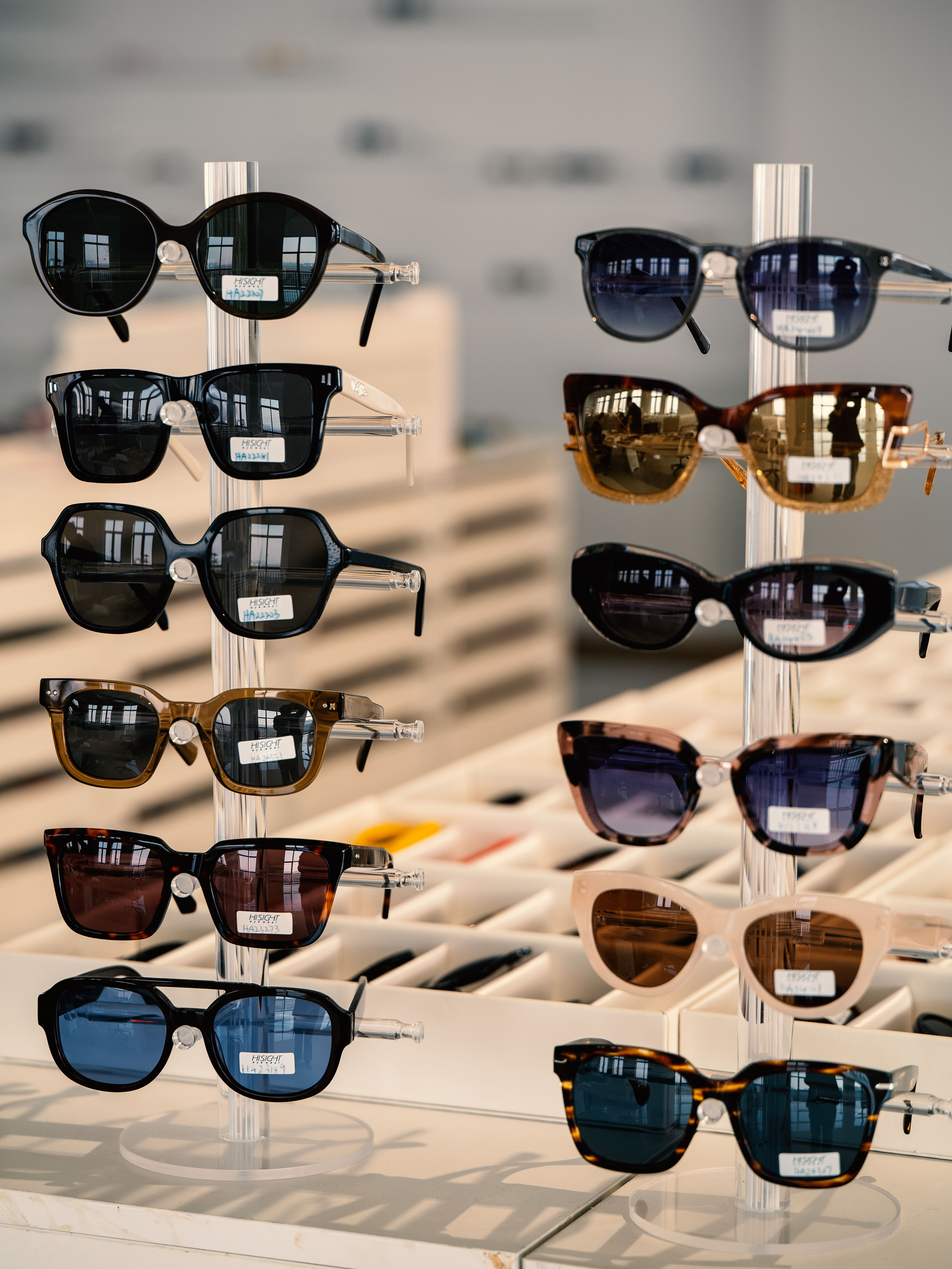
A professional sunglasses factory must invest in both advanced equipment and skilled personnel to handle lens materials ranging from CR-39 plastic to polycarbonate and mineral glass. Each material responds differently to cutting tools, heat, and pressure, making material-specific knowledge essential. When OEM and ODM partners place orders, they expect delivery timelines that reward operational excellence and demand quality metrics that tolerate minimal defects. Understanding how lens cutting and edging workflows integrate with frame assembly, quality inspection, and shipping logistics becomes the difference between a reactive production floor and a competitive manufacturing operation.
Core Equipment and Technology for Lens Cutting Operations
Precision Lens Cutting Machinery
Modern sunglasses manufacturers rely on computer-controlled lens cutting systems that can trace frame shapes with micrometer-level accuracy. Automated lens edgers equipped with multiple grinding wheels and polishing stations ensure consistent edge quality while minimizing material waste. These machines accommodate various lens geometries, from traditional round and rectangular frames to oversized and asymmetrical designs that trend in contemporary eyewear. A sunglasses factory investing in this equipment gains competitive advantage through higher throughput and lower rejection rates, directly improving margins on high-volume OEM contracts.
Quality Control Measurement Systems
Optical measurement devices including lens thickness gauges, edge straightness sensors, and prism power analyzers are non-negotiable for quality verification. Many ODM partners require third-party inspection certificates confirming lens dimensions, optical alignment, and cosmetic finish standards. A sunglasses manufacturer that integrates measurement systems into the production line rather than as a final checkpoint can identify deviations early and adjust cutting parameters in real time. This proactive approach reduces rework, accelerates time-to-delivery, and builds trust with demanding OEM clients.
Material-Specific Cutting Considerations and Best Practices
Plastic Lens Cutting and Edge Finishing
CR-39 and polycarbonate lenses dominate the sunglasses market due to their optical properties, impact resistance, and cost structure. CR-39 plastic cuts cleanly with proper wheel speeds but generates heat that can cause micro-cracks if cooling systems fail; polycarbonate requires slower feeds to prevent chipping at lens edges. A sunglasses factory must maintain separate tooling and parameter sets for each plastic type, as reusing settings designed for CR-39 on polycarbonate typically produces inferior edge quality and higher scrap. For OEM and ODM projects with large volume commitments, investing in dedicated machinery for each material type pays dividends through reduced cycle times and improved consistency.
Glass and Photochromic Lens Challenges
Mineral glass and photochromic lens materials present distinct challenges: glass demands slower cutting speeds and specialized diamond wheels to avoid chipping, while photochromic substrates risk altered performance if heat from cutting exceeds material tolerances. Sunwear OEM factory operations managing mixed material orders must carefully sequence production to avoid cross-contamination of cutting debris and prevent parameter confusion between stations. Environmental controls including humidity, temperature, and dust management become more critical when handling multiple lens types. ODM clients specifying premium materials expect a sunglasses manufacturer to demonstrate material expertise through documentation, test results, and process repeatability.
Manufacturing Integration and Timeline Optimization
Batch Sizing and Production Flow
Effective lens cutting operations within a sunglasses factory balance batch economics against production flexibility. Small OEM batches demand quick changeovers and precise parameter documentation, while large ODM orders benefit from extended runs that amortize setup time and tooling costs. A sunglasses manufacturer scheduling lens cutting must coordinate with upstream lens supply, frame assembly readiness, and downstream packaging to prevent bottlenecks. Production planning software that tracks lens inventory by type, cut status, and destination frame simplifies logistics and reduces expedite costs that erode contract margins.
Quality Checkpoints and Rework Management
Embedding quality gates at 25%, 50%, and 100% production completion enables a sunglasses factory to identify systematic issues before entire batches finish. Visual inspection for edge smoothness, dimension verification, and optical testing for lens clarity and tint uniformity should follow statistical sampling plans aligned with industry standards. When defects occur, a sunglasses manufacturer must distinguish between salvageable lenses suitable for rework and scrap that triggers root-cause investigation. OEM and ODM contracts typically impose financial penalties for late delivery or quality failures, making prevention preferable to repair and faster than troubleshooting.
Specification Management and Client Communication
Technical Documentation and Drawing Control
OEM clients often provide detailed drawings specifying lens edge thickness, bevel angles, polish grades, and cosmetic finish requirements that vary significantly from standard eyewear production. A sunglasses factory must establish change control procedures ensuring that cutting parameters reflect the current approved revision, especially when managing multiple client projects simultaneously. Digital documentation systems with version tracking, audit trails, and parameter traceability protect both manufacturer and client in case of disputes over specification compliance. For ODM partners developing custom styles, collaborative design reviews early in lens cutting planning identify manufacturability constraints before tooling investment begins.
Handling Custom Geometries and Oversized Frames
Contemporary sunglasses styles increasingly feature oversized, hexagonal, or irregular frame shapes that push cutting equipment limits and demand experienced operators. A sunglasses factory producing OEM and ODM quantities of non-standard geometries must invest in programming expertise, test cuts, and specification validation to prevent first-article rejections. Custom frames often require custom cutting fixtures, adding upfront cost that client volume commitments must justify. Communication about geometric complexity, pricing impact, and lead time adjustments ensures that OEM and ODM partners make informed decisions about design feasibility early in the sales process.
FAQ
What equipment does a professional sunglasses factory need for lens cutting operations?
A sunglasses manufacturer requires computer-controlled lens edgers with multiple grinding and polishing wheels, precision measurement systems, and material-specific tooling. Automated systems minimize manual labor, reduce defects, and maintain consistency across large OEM and ODM batches. Supporting equipment includes cooling systems, dust collection, optical testing devices, and quality documentation platforms. Investment scale depends on contract volume and material diversity; smaller sunwear OEM operations may outsource or use semi-automated equipment, while high-volume sunglasses factories justify fully automated lines.
How do material differences affect lens cutting for an OEM sunglasses manufacturer?
CR-39 plastic, polycarbonate, mineral glass, and photochromic substrates each require different wheel speeds, coolant types, and cutting pressures. A sunglasses manufacturer must maintain separate tool inventories and parameter settings for each material to achieve optimal edge quality and minimize scrap. Switching between materials without proper recalibration typically increases defect rates and cycle times. ODM and OEM clients often specify material choices, making material expertise a key differentiator for sunglasses factories competing on quality and cost.
What quality standards should OEM and ODM sunglasses manufacturers enforce during lens cutting?
A sunglasses manufacturer should implement inspection protocols covering edge thickness uniformity, surface smoothness, dimensional accuracy, and optical clarity. Sampling plans following ISO standards, statistical process control charting, and first-article inspection for new products protect quality consistency. Many OEM and ODM contracts require third-party certification or client inspection before shipment. Documentation traceability, including batch records, measurement data, and rework logs, enables a sunglasses factory to demonstrate compliance and investigate issues quickly if quality disputes arise.



