
 EN
Reducing Sampling Rounds in Optical Frame Development: Practical Quality Control Steps
Discover 5 practical QC steps to cut iterations, boost first-pass approval, and accelerate time-to-market. Implement now.
Developing optical frames requires precision, consistency, and rigorous quality control. Many manufacturers struggle with excessive sampling rounds that extend timelines, inflate costs, and delay product launches. The challenge intensifies when working with prescription frames and eyeglass frames that demand tight tolerances across multiple dimensions. Understanding how to reduce these sampling iterations while maintaining quality standards is crucial for staying competitive in the eyewear industry. This article explores practical quality control steps that enable manufacturers to streamline optical eyewear development and achieve first-pass approval more frequently.
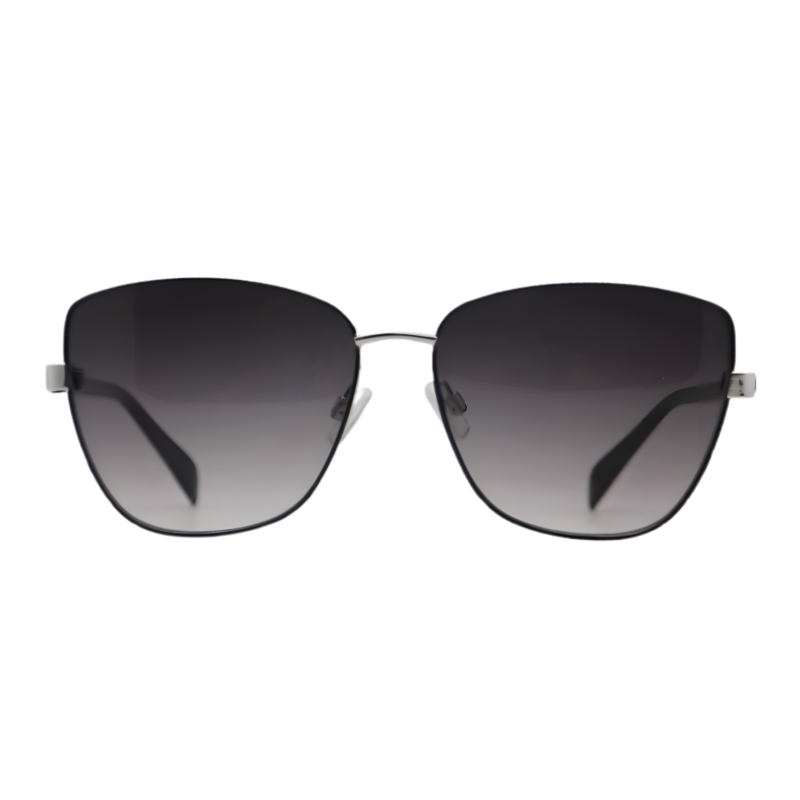
The cost of multiple sampling rounds extends beyond material waste. Each iteration delays market entry, consumes engineering resources, and strains supplier relationships. By implementing structured quality control protocols from the design phase forward, manufacturers can significantly cut sampling cycles. This approach applies equally to mass-market eyeglass frames and specialized prescription frames. The key is establishing clear specifications, validation checkpoints, and corrective action procedures that catch issues before physical samples are produced.
Establish Precise Specification Frameworks
Define Measurable Requirements for Optical Eyewear
Every optical frame design must begin with detailed, measurable specifications that leave no room for interpretation. Dimensions, materials, finishes, and functional tolerances should be documented in technical drawings with explicit callouts. For prescription frames, lens aperture sizes, bridge widths, and temple angles must align with optical standards. Eyeglass frames specifications should include weight limits, surface treatments, and assembly requirements. When suppliers receive vague briefs, they interpret requirements differently with each sampling round, triggering endless revisions.
Digital specification tools and CAD-based documentation reduce ambiguity significantly. Reference samples should be provided alongside written specifications to establish visual baselines. Testing standards relevant to optical eyewear—such as dimensional verification, material hardness, and UV resistance—must be explicitly stated. This clarity enables suppliers to validate their own processes before submitting samples, reducing rejection rates and rework cycles.
Create Comprehensive Material and Finish Standards
Material selection influences both production consistency and sampling outcomes. When specifications for prescription frames and eyeglass frames include exact material grades, suppliers can source appropriate materials immediately rather than experimenting across sampling rounds. Surface finishes, color matching, and coating adhesion should be defined with reference standards or pantone codes. Optical frames made from titanium, acetate, or polymer each have distinct processing requirements that must be documented upfront.
Establishing approved material suppliers and pre-qualified vendors accelerates sampling efficiency. When optical eyewear manufacturers pre-approve material sources and conduct initial audits, suppliers waste less time on trial formulations. Documentation of material certs, batch traceability, and quality attributes ensures consistency across sampling runs.
Implement Multi-Stage Validation Checkpoints
Design Review and Feasibility Analysis
Before optical frames even enter production sampling, conduct internal design reviews that simulate manufacturing processes. Cross-functional teams including design, manufacturing, and quality should assess optical eyewear feasibility during the concept phase. Potential issues with prescription frames geometry, assembly sequences, and optical properties should be identified and resolved virtually. This step prevents costly design-related sampling failures that require redesign iterations.
Feasibility studies for eyeglass frames should address moldability, mechanical strength, dimensional stability, and finish applicability. Simulations and prototype analysis using CAD tools or rapid prototyping technologies help identify flaws before commissioned samples are produced. Early identification of design conflicts reduces downstream sampling rounds substantially.
Process Validation and Pre-Production Testing
Supplier process validation must occur before production sampling begins. For optical frames manufacturers, this includes tooling inspections, material batch testing, and trial runs under controlled conditions. Prescription frames require validation of lens-cutting compatibility and bridge stability under stress. Eyeglass frames sampling efficiency improves dramatically when suppliers conduct first-article inspections and provide full test reports before submitting commercial samples.
Establish clear acceptance criteria for pre-production trials. Optical eyewear samples should pass dimensional checks, mechanical tests, and visual inspections before approval. When suppliers understand these criteria upfront, they self-correct issues and submit only conforming samples, eliminating back-and-forth sampling cycles that waste time and resources.
Deploy Data-Driven Corrective Action Systems
Root Cause Analysis and Systematic Corrective Actions
Every sampling rejection should trigger structured root cause analysis rather than simply requesting a resubmit. When optical frames samples fail dimensional checks, investigate whether the issue stems from tooling wear, material variation, assembly process drift, or design interpretation. For prescription frames and eyeglass frames, categorize failures by root cause—tooling, material, assembly, or design—and address the underlying problem systematically.
Document corrective actions with measurable effectiveness criteria. If optical eyewear sampling failures are due to surface finish inconsistency, the corrective action should address the specific coating process, environmental conditions, or material batch involved. Communicate these findings to suppliers with evidence of the fix before requesting revised samples. This approach prevents repeat failures across subsequent sampling rounds.
Continuous Improvement and Supplier Collaboration
Partner with suppliers as collaborators in reducing sampling cycles. Share historical data showing which optical frames designs, material combinations, and process parameters generate the fewest rejections. For prescription frames and eyeglass frames, establish joint performance metrics that reward suppliers for first-pass approval rates. Suppliers incentivized by performance metrics invest in process improvements that reduce sampling waste.
Regular supplier audits and capability assessments identify process weaknesses before they cause sampling failures. Optical eyewear manufacturers that invest in supplier development programs observe significant reductions in sampling rounds over time. Process capability studies, statistical process control, and preventive maintenance schedules all contribute to more consistent sample quality across iterations.
FAQ
Why do multiple sampling rounds occur in optical frame development?
Multiple sampling rounds typically result from vague specifications, inadequate design validation, insufficient supplier process controls, or miscommunication between manufacturers and suppliers. When optical frames or eyeglass frames specifications lack clarity, suppliers interpret requirements differently with each iteration. Design feasibility issues discovered during sampling could have been caught during design review. Supplier process capability problems cause recurring quality failures. Implementing upfront specification rigor, design validation, and process audits minimizes these triggers, enabling approval in fewer rounds.
What quality control steps reduce sampling cycles for prescription frames?
Prescription frames development benefits from early feasibility analysis addressing lens-cutting compatibility, bridge geometry, and assembly stability. Pre-production process validation including trial runs and first-article inspections catches issues before commercial sampling. Detailed specifications for optical measurements, material properties, and manufacturing tolerances must be communicated clearly to suppliers. Root cause analysis of any sample failures ensures corrective actions address underlying problems rather than symptoms. Data-driven supplier scorecards that track approval rates incentivize continuous process improvement in optical eyewear manufacturing.
How can manufacturers measure sampling efficiency improvements?
Track the number of sampling rounds required per optical frames project, comparing baseline metrics against targets. Monitor first-pass approval rates—the percentage of samples approved without revision. Measure time from design freeze to final approval and cost per sampling iteration. For eyeglass frames and prescription frames, analyze failure root causes to identify which categories consume the most revisions. Supplier performance metrics including on-time delivery and conformance rates reveal whether supplier capabilities improve over time. When manufacturers establish these baselines and review them quarterly, they can quantify whether process improvements are reducing sampling burden effectively.



