
 EN
Material Capabilities Across Sunglasses Manufacturer Lines: A Technical Guide for Eyewear Buyers
Discover lens & frame tech, testing standards, and compliance essentials for eyewear buyers. Download guide.
Selecting the right Sunglasses Manufacturer requires understanding the technical material capabilities that differentiate production lines across the eyewear industry. A sunglasses factory must demonstrate expertise across multiple material platforms, from advanced polymer lens technologies to precision metal frame construction, to meet the diverse demands of global eyewear buyers. This technical guide explores the material landscape that separates capable manufacturers from those offering limited production flexibility.
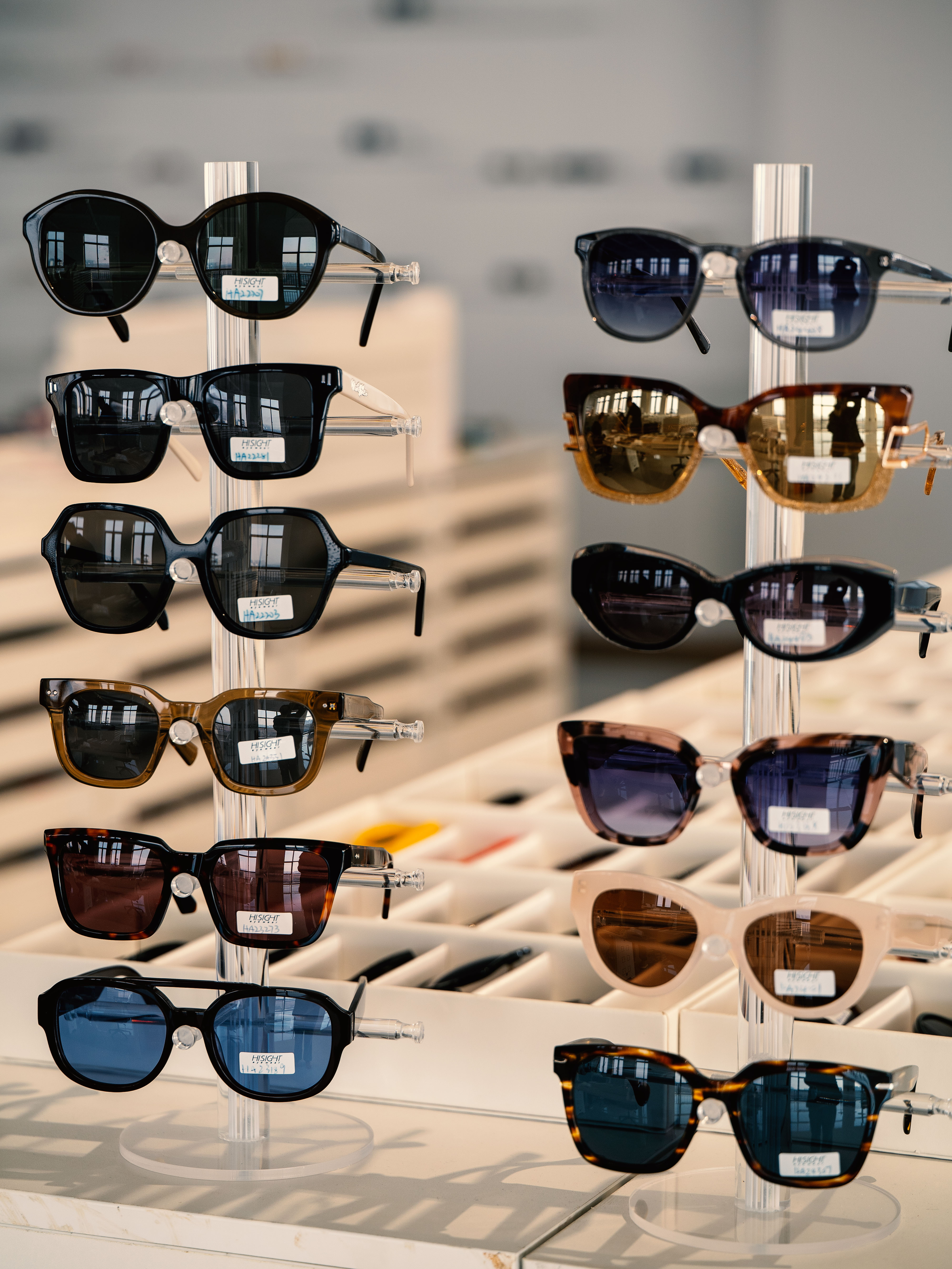
Material capability assessment is essential when evaluating any sunglasses factory for partnership. The quality of raw materials, manufacturing precision, and quality control systems determine whether a sunwear oem factory can consistently deliver products meeting international standards. Understanding lens composition, UV protection formulations, frame material engineering, and finishing processes helps eyewear buyers make informed procurement decisions aligned with their brand specifications and market positioning.
Lens Material Technologies and Optical Properties
Polycarbonate Lens Systems
Polycarbonate remains the dominant lens material across modern sunglasses factory operations due to superior impact resistance and optical clarity. A quality sunglasses manufacturer producing polycarbonate lenses must maintain precise injection molding conditions to achieve consistent optical quality, minimal distortion, and uniform UV blocking across all production units. The material naturally blocks 99 percent of UVA and UVB radiation, making it ideal for sun protection applications without requiring complex chemical coatings.
Advanced polycarbonate formulations used by leading sunwear oem factory producers incorporate anti-scratch coatings, hydrophobic treatments, and polarization layers that enhance durability and visual comfort. The manufacturing process requires tight temperature control and mold precision to prevent birefringence and maintain optical standards. Eyewear buyers should verify that their sunglasses manufacturer partner maintains optical testing equipment and validates lens power, prism, and transmitted light characteristics against international standards.
CR-39 and Glass Alternatives
CR-39 plastic lenses offer exceptional optical clarity and remain popular for premium eyewear applications, though they require more sophisticated production capabilities than basic polycarbonate. A sunglasses factory producing CR-39 demands precise temperature management during the curing process, careful mold alignment to minimize optical aberrations, and rigorous quality inspection. This material provides superior light transmission and minimal environmental stress cracking compared to standard plastics.
Glass lenses, though less common in modern sunglasses factory production due to weight and breakage concerns, still serve niche markets requiring exceptional scratch resistance and optical perfection. Progressive sunwear oem factory operations maintain both CR-39 and glass capability to serve diverse customer requirements. The decision between lens materials reflects a balance between optical performance, durability, weight, cost structure, and intended market positioning.
Frame Material Engineering and Structural Integrity
Metal Frame Construction Standards
Titanium, stainless steel, and aluminum represent the primary metal platforms for premium sunglasses manufacturer production lines. Titanium offers exceptional strength-to-weight ratio, corrosion resistance, and hypoallergenic properties, making it ideal for high-end eyewear requiring durability and comfort during extended wear. A sunglasses factory operating titanium production must invest in specialized equipment for precision machining, welding, and finishing processes that preserve material integrity.
Stainless steel provides excellent durability and cost-effectiveness for mid-range sunglasses factory operations, while aluminum serves applications requiring lightweight construction at competitive price points. Each metal requires specific handling protocols during die-casting, grinding, polishing, and coating to achieve desired structural properties and aesthetic finish. Quality sunwear oem factory producers implement rigorous material testing, including salt spray corrosion testing, tensile strength validation, and dimensional accuracy verification to ensure frame longevity.
Acetate and Polymer Frame Systems
Acetate frames dominate the eyewear industry due to their versatility, colorability, and aesthetic appeal, requiring specialized injection molding expertise from any sunglasses manufacturer seeking to serve fashion-forward markets. The production process demands precise temperature control, careful pigment integration, and post-molding finishing to achieve desired color saturation, gloss level, and dimensional stability. A sunglasses factory invested in acetate capability operates multiple injection machines with dedicated molds representing various frame designs and color palettes.
Bio-based and recycled polymer options represent emerging material platforms that innovative sunwear oem factory producers are integrating into their offerings to address sustainability demand. These materials require compatible processing conditions, material testing for long-term durability, and modified finishing protocols compared to traditional acetate. Eyewear buyers increasingly seek sunglasses manufacturers demonstrating commitment to material innovation and environmental responsibility through sustainable polymer adoption.
Quality Assurance and Material Compliance Standards
Optical Performance Validation
Leading sunglasses manufacturer operations maintain comprehensive optical testing laboratories equipped with lensometers, spectrophotometers, and UV transmittance analyzers to validate lens quality across all production batches. Testing protocols verify lens power accuracy within prescribed tolerances, prism balance, light transmission characteristics, and UV protection effectiveness. A sunglasses factory failing to implement rigorous optical inspection risks producing defective eyewear that fails in real-world performance or violates regulatory standards.
Polarization testing represents a critical capability for any sunwear oem factory producing polarized lenses, requiring specialized equipment to measure polarization efficiency, uniformity across the lens surface, and retention of polarization properties after environmental stress testing. Buyers should confirm that their sunglasses manufacturer partner conducts independent optical validation and maintains documented test records demonstrating consistent compliance with international optical standards throughout production runs.
Material Durability and Environmental Testing
Comprehensive material testing protocols distinguish capable sunglasses manufacturer operations from those cutting corners on quality assurance. Impact resistance testing simulates real-world dropping incidents, scratch resistance testing validates coating durability, and UV exposure testing confirms material stability under prolonged sunlight exposure. A professional sunglasses factory implements accelerated aging studies, humidity chamber testing, and temperature cycling protocols to predict long-term material performance.
Salt spray corrosion testing, particularly important for metal frame components, evaluates coating integrity and material resistance to marine environments, essential for products targeting coastal markets. Lead content testing, phthalate compliance verification, and heavy metal screening ensure that sunwear oem factory production meets global regulatory requirements including FDA, EU RoHS, and REACH standards. Eyewear buyers partnering with quality sunglasses manufacturers gain assurance that finished products withstand real-world conditions while meeting safety and environmental compliance obligations.
FAQ
What material capabilities should eyewear buyers prioritize when selecting a sunglasses manufacturer?
Buyers should prioritize manufacturing flexibility across multiple lens materials (polycarbonate, CR-39, glass), frame platforms (titanium, stainless steel, acetate), and specialized capabilities like polarization and gradient coating. The ideal sunglasses factory demonstrates expertise in optical quality control, material testing, and compliance verification, backed by documented certifications and third-party validation. Capability diversity enables a sunwear oem factory to serve varied market segments and adapt quickly to customer specifications without compromising quality standards.
How do sunglasses factory operations ensure consistent optical quality across production runs?
Quality sunglasses manufacturer facilities maintain dedicated optical testing laboratories where every lens batch undergoes comprehensive validation including lensometer readings, spectrophotometer analysis, and UV transmittance measurement. Process controls at injection molding equipment ensure consistent cavity pressures, cooling rates, and material temperatures that directly influence final optical properties. A professional sunwear oem factory implements statistical process control, maintains detailed production documentation, and conducts regular equipment calibration to achieve and sustain optical performance standards.
Why do material selection and testing capabilities matter for long-term eyewear product success?
Material quality and durability directly impact customer satisfaction, product longevity, and brand reputation in competitive eyewear markets. A sunglasses manufacturer conducting rigorous durability testing, environmental stress simulation, and compliance verification identifies potential failure modes before products reach consumers. Choosing a sunglasses factory with comprehensive material testing capabilities protects eyewear brands from costly recalls, warranty claims, and reputation damage while ensuring that finished products deliver the performance and durability customers expect.



