
 EN
Sunglasses Manufacturer vs Sourcing Agent: Key Differences for Buyers
Compare cost, quality control, customization & scalability to choose the right partner. Get expert guidance now.
When sourcing eyewear for your retail business or private label brand, choosing between a direct sunglasses manufacturer and a sourcing agent represents one of the most consequential procurement decisions you'll make. Both pathways offer distinct advantages and trade-offs that directly impact your costs, quality control, lead times, and business relationships. Understanding these differences is essential before committing to a supplier strategy that aligns with your growth stage, order volume, and operational capacity.
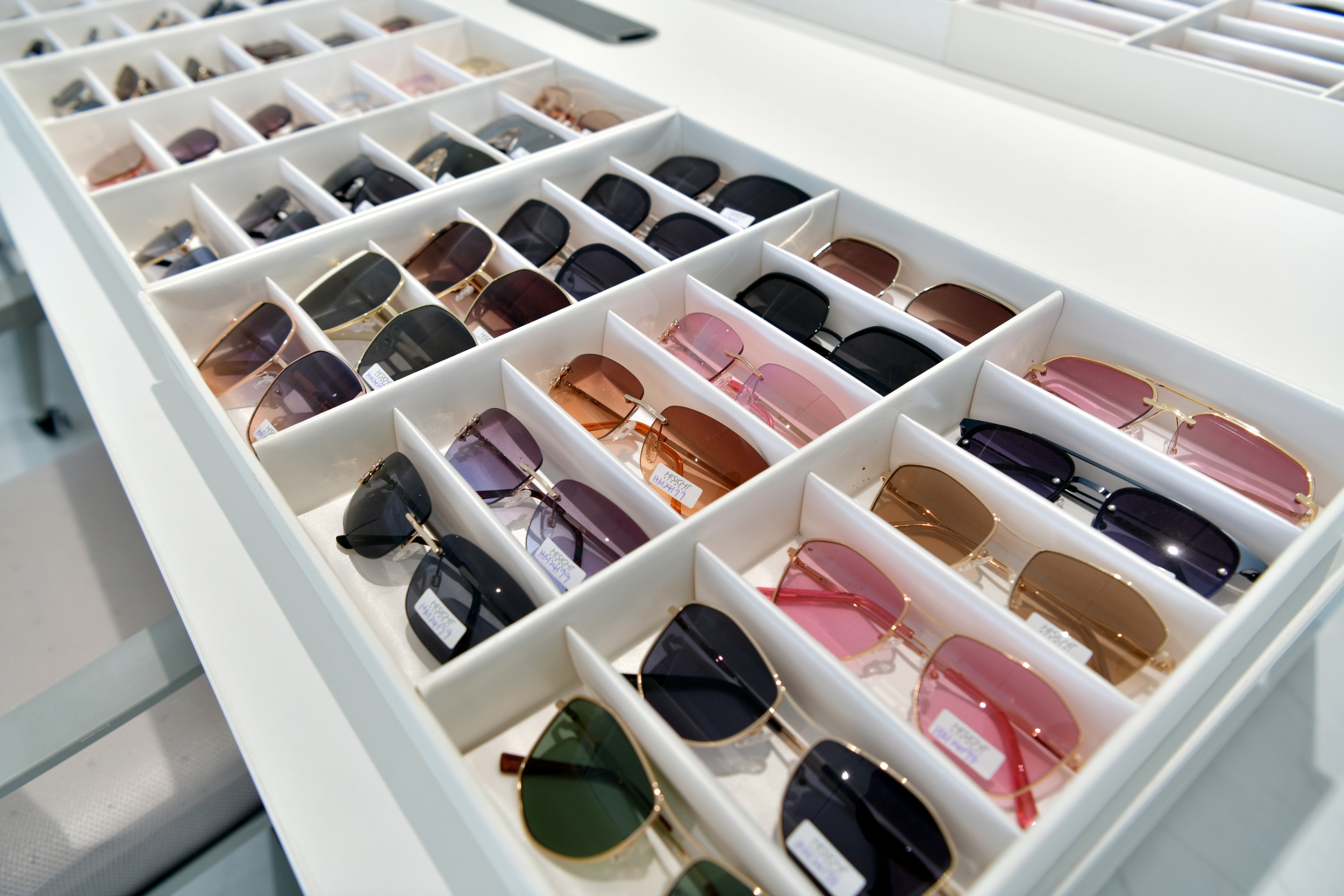
A sunglasses factory brings production capability, design expertise, and equipment directly to your project, while a sourcing agent acts as an intermediary, identifying suppliers, negotiating terms, and managing logistics on your behalf. Each model serves different buyer profiles, market conditions, and business objectives. This guide explores the operational, financial, and strategic distinctions so you can confidently select the approach that maximizes value for your company.
Direct Partnership with a Sunglasses Manufacturer
Production Control and Quality Assurance
Working directly with a sunglasses manufacturer gives you unmediated access to production processes, quality standards, and decision-makers. You communicate directly with engineering teams, quality control personnel, and management, eliminating communication delays and reducing the risk of information loss. A sunwear oem factory typically maintains ISO certifications, in-house testing labs, and material traceability systems that you can audit personally. When issues arise, you engage directly with the production facility to resolve them, ensuring accountability and faster corrective action.
Cost Structure and Pricing Transparency
Direct manufacturer relationships remove the sourcing agent's margin, typically 5 to 15 percent of the unit cost. A sunglasses factory quotes based on raw material costs, labor, overhead, and profit margin, with no intermediary markup. You achieve better per-unit pricing at volume, and pricing remains stable as your order grows. Transparent cost breakdowns help you understand where money flows and negotiate confidently on specific components like frames, lenses, coatings, or packaging.
Sourcing Agent Model and Its Operational Role
Market Access and Supplier Discovery
Sourcing agents maintain networks across multiple sunglasses factory facilities, suppliers, and manufacturers. If you lack established contacts in the eyewear supply chain, an agent accelerates your discovery process by pre-screening facilities, verifying credentials, and arranging introductions. Agents manage communication in your language, handle cultural and regulatory nuances, and often hold existing relationships that provide preferential terms. For buyers entering a new market or scaling quickly without in-house procurement expertise, a sourcing agent reduces research burden and vendor evaluation time.
Logistical Coordination and Buffer Service
A sourcing agent orchestrates multiple functions: supplier communication, quality inspections, documentation, customs clearance, and shipment coordination. This buffer role is especially valuable if your order involves multiple components from different suppliers or if you require consolidation and warehousing. The sunwear oem factory focuses on production while the agent handles logistics complexity. However, this convenience comes at a cost: the agent's fees, slower decision cycles due to communication layers, and reduced visibility into the actual manufacturing process.
Strategic and Financial Implications for Your Business
Order Volume and Long-Term Viability
A sunglasses manufacturer typically prefers larger minimum orders, often 500 to 2,000 units per style, to justify production setup costs. Direct partnerships work best for established buyers with consistent volume and product roadmaps. If you're starting with smaller trials or testing multiple designs, a sourcing agent can aggregate smaller orders across their client base and negotiate better terms than you could achieve alone. As your business scales, the cost advantage of direct manufacturer relationships increases proportionally.
Technical Customization and Design Capability
A sunglasses factory with in-house design and mold capabilities offers true customization: frame shapes, hinge mechanisms, bridge widths, and lens options tailored to your specifications. The OEM sunwear factory can modify existing designs or create new ones, though custom tooling requires additional investment and lead time. Sourcing agents typically work with catalog designs or minor modifications, limiting your ability to differentiate products in the market. If brand differentiation through unique eyewear design is critical, direct manufacturer partnerships deliver superior customization options.
Risk Management and Relationship Dynamics
Quality Accountability and Dispute Resolution
With a sunglasses manufacturer, accountability flows directly from factory to buyer. If defect rates exceed agreed thresholds or specifications are missed, you address it with the production team immediately. Written quality agreements, statistical process controls, and regular audits establish clear expectations. A sourcing agent stands between you and the factory, which can complicate accountability. Disputes over quality often require the agent to mediate, potentially delaying resolution and complicating root-cause analysis. Direct relationships with the Sunglasses Manufacturer establish clearer responsibility.
Flexibility and Responsiveness in Changing Demand
Direct manufacturer partnerships provide agility when market conditions shift. Rush orders, emergency stock replenishment, or design modifications can be negotiated directly without additional intermediary delays. A sunglasses factory that values your partnership will prioritize your requests over less committed buyers. Sourcing agents introduce coordination layers that slow responsiveness. If your business operates in fast-moving retail, seasonal demand, or trend-sensitive categories, direct factory relationships offer competitive advantages in speed and flexibility.
FAQ
When should I work with a sunglasses factory instead of a sourcing agent?
Choose direct manufacturer engagement when your order volume exceeds 1,000 units per style annually, you require custom designs or specifications, you need long-term partnership stability, or you can invest time in supplier management. A sunglasses manufacturer is ideal for established brands, retailers with mature supply chains, and companies prioritizing cost efficiency and quality control over convenience.
What are the main risks of using a sourcing agent for sunwear OEM orders?
Sourcing agent risks include reduced quality visibility, delayed problem resolution due to communication layers, higher per-unit costs from intermediary margins, limited customization options, and reduced accountability. The sunwear oem factory quality becomes harder to audit directly, and disputes over defects or specifications become more complex. Additionally, if the agent shifts priorities to larger clients, your orders may receive less attention.
How do I transition from a sourcing agent to a direct sunglasses manufacturer relationship?
Request factory introductions from your current sourcing agent, or conduct independent research into certified sunglasses factory facilities that match your specifications. Prepare detailed technical drawings, quality requirements, and order volume projections before direct negotiations. Build the relationship gradually with smaller pilot orders, establish clear communication protocols, and formalize agreements through written contracts. Once you prove reliable volume and payment history, direct manufacturers typically offer better pricing and service levels than agent-mediated arrangements.



