
 EN
Lens Distortion and Visual Fatigue in Sunglasses: Prevention Strategies for Eyewear Brands
Discover science-backed prevention strategies to eliminate lens distortion and boost UV protection sunglasses satisfaction. Learn how.
Lens distortion in sunglasses represents one of the most overlooked yet significant challenges affecting wearer comfort and long-term eyewear satisfaction. Visual fatigue resulting from optical aberrations has become increasingly important as consumers spend more time outdoors and demand higher performance from their shades. Understanding the relationship between distortion and fatigue allows eyewear brands to implement targeted prevention strategies that differentiate their products in a competitive market.
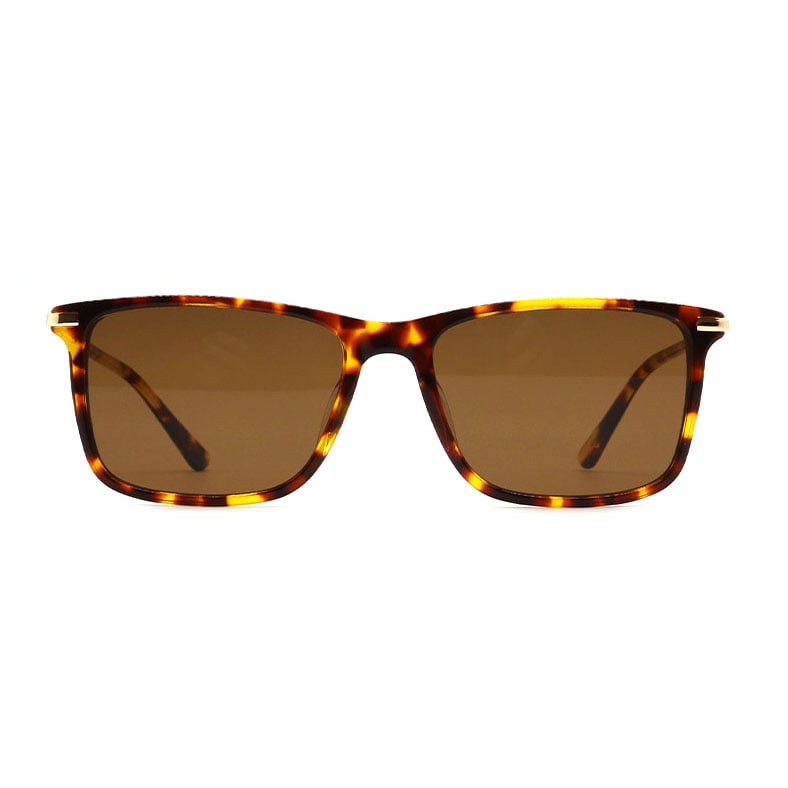
Visual fatigue from poorly designed sunwear extends beyond temporary discomfort, potentially causing eye strain, headaches, and reduced wearing compliance. When consumers experience distortion in their shades, they often abandon the product regardless of other features like UV protection sunglasses benefits. Eyewear brands must recognize that optical quality directly impacts customer retention, brand loyalty, and word-of-mouth recommendations in today's connected marketplace.
Understanding Lens Distortion in Sunglasses Design
Types of Optical Aberrations in Shades
Lens distortion in sunglasses occurs through several distinct optical mechanisms, each affecting visual perception differently. Barrel distortion causes straight lines to curve outward, commonly appearing in curved-wrap sunwear styles that promise broader field coverage. Pincushion distortion produces the opposite effect, curving lines inward, while chromatic aberration separates light wavelengths, creating color fringing at high-contrast edges, particularly problematic in premium UV protection sunglasses where clarity is promised.
Spherical aberration develops when curved lens surfaces fail to focus all light rays at the same point, creating haziness or soft focus in peripheral vision. Astigmatism introduces different focal points across lens meridians, forcing eyes to compensate continuously. High-index lens materials used in sunglasses manufacturing, while reducing thickness, can amplify these aberrations if not precisely manufactured. Understanding these distinct distortion types enables eyewear brands to identify which prevention strategies will most effectively eliminate visual fatigue in their specific product lines.
Why Modern Lens Manufacturing Intensifies Distortion Issues
Contemporary sunglasses increasingly feature curved, wrap-around designs that provide superior UV protection sunglasses coverage but simultaneously introduce greater distortion potential. Mass-production techniques optimized for cost efficiency often compromise optical precision, particularly in budget and mid-range shades segments. Lens curvature, manufacturing tolerances, and material selection all interact complexly, and cost pressures frequently force compromises that increase optical aberrations. Eyewear brands competing in high-volume markets must balance manufacturing economies with optical integrity to prevent visual fatigue.
How Lens Distortion Causes Visual Fatigue and Discomfort
The Biomechanical Response to Optical Aberrations
When sunglasses contain significant distortion, the visual system must work harder to interpret blurred or warped information, triggering a cascade of compensatory mechanisms. The ciliary muscles controlling lens accommodation become overactive as eyes attempt to achieve sharp focus despite optical imperfections in the sunwear. This sustained muscular tension directly causes eye strain, characterized by aching sensations, reduced tear film stability, and eventually headaches radiating from the temples and forehead.
Accommodation lag, where eye muscles cannot keep pace with distortion-induced focusing demands, forces users to adopt unnatural head positions to access clearer peripheral areas of their shades. This postural compensation creates neck tension and cumulative musculoskeletal fatigue, extending discomfort beyond eye tissues. Regular sunglasses users experiencing distortion-related fatigue often reduce their wearing time despite needing UV protection sunglasses, limiting their sun exposure defense and paradoxically increasing health risks.
Cognitive Load and Visual Processing Strain
Beyond muscular responses, optical distortion in sunglasses increases cognitive load as the brain processes and attempts to correct warped visual information continuously. This neurological effort depletes mental resources, reducing concentration and increasing perception of fatigue in outdoor activities. Users wearing distorted shades frequently report heightened awareness of visual discomfort and lower satisfaction ratings, even when unable to articulate specific optical problems. The cumulative effect of this cognitive processing demand during extended outdoor periods significantly impacts overall comfort experience and brand perception.
Prevention Strategies for Eyewear Brands to Minimize Distortion
Optical Design and Material Selection Excellence
Eyewear brands must prioritize advanced optical design software that models and predicts distortion across entire lens surfaces before manufacturing begins. Investing in computerized lens design technology allows brands to optimize curvature profiles that balance UV protection sunglasses coverage requirements with optical aberration minimization. Material selection profoundly impacts distortion potential; premium optical-grade materials with consistent refractive properties produce superior clarity compared to standard sunwear materials. Selecting appropriate base curves and lens thickness specifications appropriate for each material reduces inherent optical weaknesses.
Brands implementing anti-reflective coatings and specialized lens treatments further combat distortion effects by improving light transmission and reducing internal reflections within sunglasses. Progressive manufacturing partnerships with facilities meeting strict optical tolerances ensure consistent product quality across entire production runs. Eyewear brands competing in premium segments must publicly communicate their distortion-reduction technologies, explaining specific design choices that protect against visual fatigue and demonstrating commitment to optical excellence in their shades.
Quality Control and Manufacturing Precision Protocols
Comprehensive quality control protocols represent the cornerstone of distortion prevention in sunglasses manufacturing. Optical measurement systems must evaluate every lens for focal power accuracy, astigmatism levels, and prism balance before products reach consumers. Implementing automated inspection technologies using wavefront analysis and interferometry detects optical errors invisible to conventional testing methods, ensuring only acceptable-tolerance units reach the market as sunwear. Brands must establish measurable optical standards and reject units exceeding distortion thresholds, accepting higher rejection rates as necessary cost of quality assurance.
Manufacturing personnel require specialized training in optical principles and precision techniques, moving beyond traditional frame assembly procedures. Establishing feedback loops between quality assurance and production teams enables continuous improvement in distortion reduction processes. Eyewear brands should consider external optical audits and third-party certifications validating their distortion-prevention protocols, building consumer confidence in sunglasses quality and reducing visual fatigue complaints.
Consumer Education and Frame-Wearer Compatibility
Eyewear brands must educate consumers about distortion risks and how to recognize visual fatigue symptoms associated with poor optical quality in their shades. Providing detailed fitting guidance ensures customers select frame sizes and designs appropriate for their facial geometry, reducing distortion impact. Highlighting UV protection sunglasses benefits alongside optical clarity messaging communicates brand commitment to comprehensive wearer protection. Including distortion-prevention information in packaging and online resources establishes brand authority while managing customer expectations appropriately.
FAQ
What specific optical measurements indicate acceptable distortion levels in sunglasses?
Industry standards specify maximum permissible distortion limits measured in diopters and prism diopters across entire lens surfaces. Focal power variation should not exceed 0.50 diopters in quality sunwear, while astigmatism must remain below 0.25 diopters to prevent noticeable visual fatigue. UV protection sunglasses meeting premium standards typically demonstrate distortion measurements below these thresholds, verified through objective optical testing rather than subjective evaluation. Eyewear brands publishing their specific distortion measurement ranges demonstrate transparency and quality confidence in their shades.
How do wrap-around frame styles increase distortion risk compared to conventional sunglasses designs?
Wrap-around shades feature increased lens curvature that provides superior UV protection and field coverage but simultaneously introduces greater optical complexity. The higher base curves in wrap designs challenge manufacturing precision and amplify aberration effects compared to flatter traditional sunglasses. Peripheral lens areas in wrap sunwear experience more pronounced distortion, and the spherical and astigmatic errors accumulate across larger visual zones. Eyewear brands selecting wrap-around designs must invest proportionally more in optical design refinement and quality control to maintain distortion levels comparable to conventional shades.
Can frame fit adjustments reduce visual fatigue from existing sunglasses with distortion?
While proper fitting improves comfort and alignment in sunglasses, frame adjustments cannot eliminate optical distortion inherent to lens design and manufacturing quality. Positioning shades correctly minimizes distortion impact by ensuring wearer pupils align with optical centers and optimal focal zones, but fundamentally flawed lenses remain problematic. Users experiencing visual fatigue from their current sunwear should consider replacement with higher-quality options rather than expecting fit modifications to resolve distortion-related issues. Eyewear brands should address customer complaints about distortion through product replacement or quality compensation rather than recommending frame adjustments as solutions.



