
 EN
Eyeglass Frame Size Ranges Across Markets: Planning Considerations for Buyers and Brands
Discover regional standards, demographic insights, and actionable inventory planning tactics for optical buyers & brands. Optimize fit + ROI now.
Choosing the right eyeglass frames involves far more than aesthetics. For both retailers and manufacturers, understanding eyeglass frames sizing across different markets is critical to meeting customer expectations and building sustainable inventory strategies. The dimensions of spectacle frames vary significantly by region, demographic, and market segment, creating distinct sizing challenges that require careful planning and strategic decision-making from all stakeholders in the optical industry.
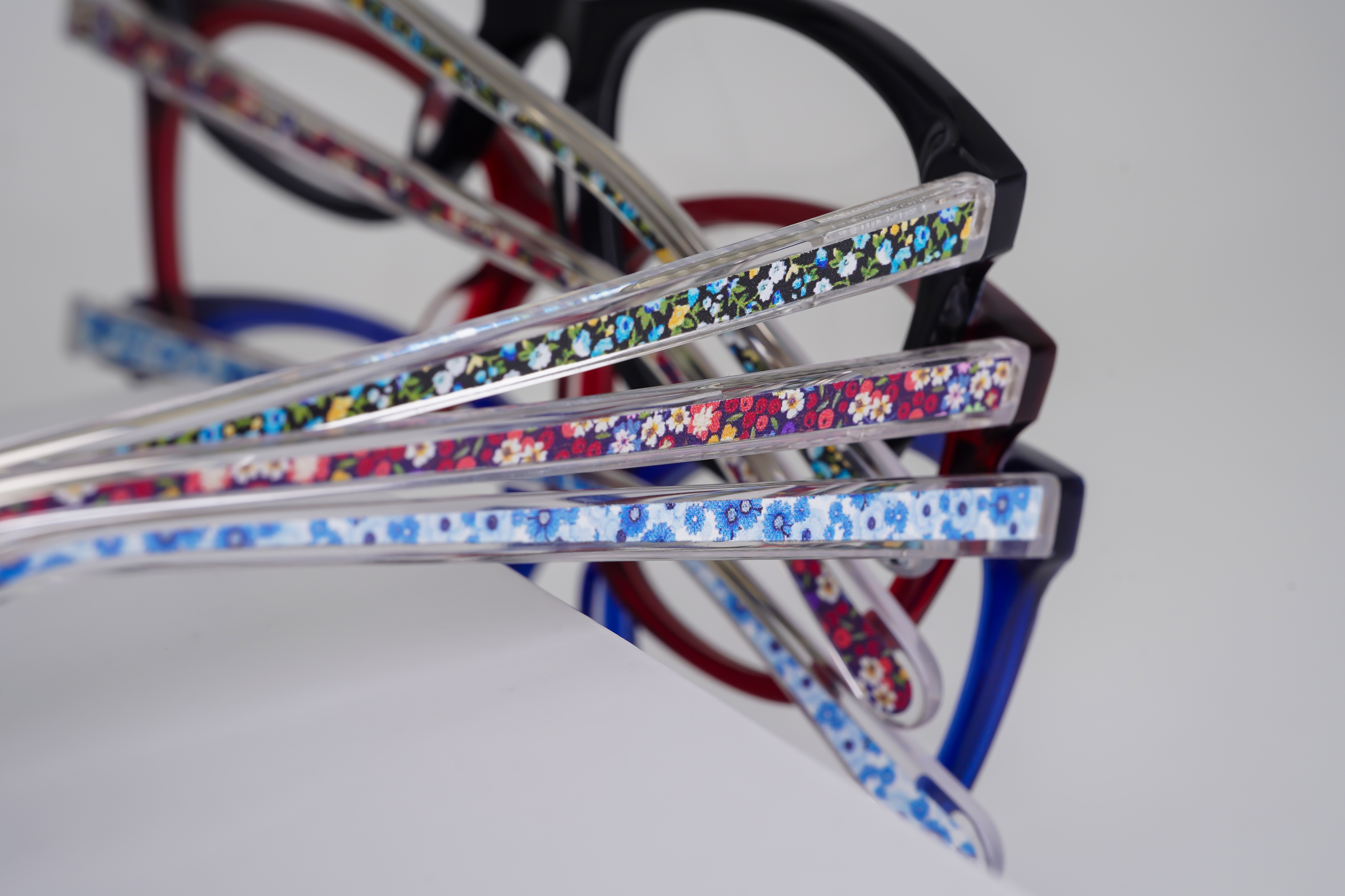
Understanding the landscape of eyeglass frames production and distribution reveals that optical frames come in multiple standardized size ranges designed to fit diverse face shapes and sizes. Market differences in spectacle frames reflect both physiological variation across populations and consumer preference patterns unique to each region. Buyers planning inventory procurement and brands developing product lines must account for these variations to remain competitive and responsive to local market demands.
Understanding Global Eyeglass Frame Size Standards
Standard Size Measurements and Specifications
Optical frames are measured using three primary dimensions: lens width, bridge width, and temple length. These measurements define the overall fit and comfort profile of spectacle frames. Most optical frames follow internationally recognized sizing conventions, though specific size distributions differ by market. Standard lens widths typically range from 48 to 56 millimeters, bridge sizes from 17 to 22 millimeters, and temple lengths from 135 to 150 millimeters. Understanding these baseline measurements helps buyers evaluate whether specific optical frames will meet their target customer demographics.
The eyeglass frames market segments sizes into distinct categories: children's, junior, small adult, medium adult, and large adult frames. Each segment addresses specific market needs and demographic preferences. Children's and junior spectacle frames require smaller overall dimensions and often incorporate design features that appeal to younger wearers. Adult optical frames split further based on face size variation, with small and medium sizes dominating most Western markets while large-size glasses frames remain equally important in other regions.
Regional and Demographic Variations
Market data consistently shows that size distributions of spectacle frames vary significantly across geographic regions. Asian markets frequently show preference for smaller-sized optical frames, with lens widths concentrated between 48 and 52 millimeters and shorter temple lengths. European and North American markets demonstrate broader demand across all size categories, with substantial representation for medium and large-sized glasses frames. Understanding these demographic patterns is essential for buyers planning inventory allocation across multiple markets or for brands developing size-inclusive product lines.
Age demographics also influence optimal size ranges within each market segment. Younger consumers across all regions tend to prefer smaller, more fashion-forward spectacle frames, while mature consumers often select medium to larger-sized optical frames that accommodate progressive lens formats and provide comprehensive field of vision. Fashion trends and lifestyle choices further impact these preferences, meaning buyers must continuously assess market demand rather than relying solely on historical data.
Strategic Planning Considerations for Buyers
Inventory Procurement and Distribution Strategy
Buyers responsible for optical frames procurement face a critical decision when planning SKU distribution: how to allocate budget across different size ranges. Effective spectacle frames purchasing requires analyzing local market demographics, competitive offerings, and sales velocity data for each size category. Smart buyers begin by mapping their customer base by age, gender, and face shape characteristics to project realistic demand for glasses frames across size segments. This data-driven approach reduces markdowns on slow-moving inventory while ensuring adequate stock of popular optical frames sizes.
Distribution strategy becomes more complex when managing eyeglass frames across multiple retail locations or online channels. What sells quickly in one market may sit idle in another. Progressive retailers segment their spectacle frames inventory by store location, adjusting local size mix based on neighborhood demographics and historical sales patterns. Buyers should establish minimum service levels for each size category while allowing flexibility to adjust allocations based on point-of-sale data and emerging trends within optical frames segments.
Fit Experience and Customer Satisfaction
Customer satisfaction with eyeglass frames depends directly on achieving proper fit, making size range planning a critical service-level issue. Frames that fit poorly undermine the optical prescription and create negative customer experiences that damage retailer reputation. Knowledgeable buyers ensure that their spectacle frames assortment includes adequate options across all standard size categories, enabling customers to find genuinely comfortable optical frames rather than settling for suboptimal choices. Training staff to accurately measure customers and recommend appropriate glasses frames sizes becomes an essential component of the buying strategy.
Proper fit of eyeglass frames also affects warranty and adjustment costs. Frames purchased in correct sizes require fewer adjustments after purchase, reducing labor costs and customer service burden. Buyers who stock adequate size ranges of optical frames directly improve both customer satisfaction metrics and operational profitability. This alignment of inventory strategy with service quality transforms size range planning from a mere procurement task into a competitive advantage.
Strategic Considerations for Brands Developing Eyeglass Frames
Product Line Sizing Architecture
Brands manufacturing spectacle frames must make foundational decisions about which size ranges to include in each product line. Comprehensive optical frames collections typically offer multiple sizes across standard categories, increasing manufacturing complexity but serving broader customer populations. Some brands specialize in specific size segments—such as smaller Asian-market-optimized glasses frames or oversized frames for larger demographics—creating differentiation through focused expertise. Strategic sizing decisions reflect target market analysis, production capabilities, and desired brand positioning within the optical frames competitive landscape.
Developing eyeglass frames for multiple markets requires balancing standardization with localization. A single core collection reduced to essential sizes can minimize production cost, yet regional buyers expect locally optimized size ranges within spectacle frames portfolios. Successful brands maintain a scalable approach where core designs remain consistent while size distribution adapts to specific markets. This strategy preserves manufacturing efficiency while respecting the distinct size preferences across different optical frames markets globally.
Design and Manufacturing Implications
Design decisions for optical frames directly impact production feasibility across size ranges. Intricate details, materials, and construction techniques that work in standard sizes may not scale proportionally to larger glasses frames or smaller children's spectacle frames. Brands must involve design and manufacturing teams early when establishing size architecture for eyeglass frames collections. Frames that maintain consistent aesthetic and functional quality across all planned size categories require careful proportioning and material selection from the initial design phase.
Inventory planning at the brand level becomes exponentially more complex with expanded size ranges. Each additional size multiplies stock-keeping units, capital requirements, and forecasting challenges. Brands must balance the market opportunity of comprehensive spectacle frames assortments against the operational burden and financial risk. Market data analysis, wholesale partner feedback, and trend monitoring inform these critical sizing decisions that affect the brand's ability to meet buyer requirements while maintaining healthy margins across eyeglass frames product portfolios.
FAQ
What are the most common eyeglass frame sizes across different markets?
Standard eyeglass frames typically range from lens widths of 48 to 56 millimeters, bridge widths of 17 to 22 millimeters, and temple lengths of 135 to 150 millimeters. Asian markets concentrate demand in smaller sizes (48-52mm lens widths), while Western markets show broader distribution across medium and large optical frames. The most commonly stocked spectacle frames range from small adult through large adult sizes, with children's and junior glasses frames available in specialized collections. Understanding your specific market demographics helps determine the optimal size range for your eyeglass frames inventory.
How should buyers determine the right size mix for spectacle frames inventory?
Effective buyers analyze their customer base demographics, including age, gender, and facial characteristics, alongside historical sales data for each size category of glasses frames. Point-of-sale analysis reveals which optical frames sizes sell quickly and which accumulate excess inventory. Buyers should establish minimum service levels for all standard size categories while maintaining flexibility to adjust allocations based on seasonal trends and emerging preferences. Regular review of eyeglass frames sales velocity by size ensures inventory allocation remains aligned with actual market demand rather than assumptions about optical frames size preferences.
Why do eyeglass frame size ranges differ between markets?
Market differences in spectacle frames sizing reflect both genetic variation in average face dimensions across populations and distinct cultural preferences for frame aesthetics. Asian populations average smaller facial dimensions, making smaller optical frames the optimal fit for most customers in those markets. Western markets encompass greater diversity in face sizes, necessitating broader eyeglass frames size distributions. Additionally, fashion trends and lifestyle preferences influence frame size popularity independently of fit requirements. Understanding these factors helps buyers and brands develop market-appropriate spectacle frames assortments that serve their specific customer populations effectively.



