
 EN
Lens Groove Tolerance in Prescription Eyeglass Frames: A Technical Guide for Eyewear Buyers
Master lens groove tolerance (±0.1–0.3mm) to ensure optical precision, durability & brand trust.
Lens groove tolerance represents one of the most critical yet often overlooked specifications in eyeglass frames manufacturing. This precise measurement determines how securely lenses sit within the frame, directly affecting both the durability and visual performance of the finished eyewear. For eyewear buyers, understanding lens groove tolerance is essential because it separates high-quality optical frames from poorly manufactured alternatives that may result in loose lenses, misalignment issues, or premature frame failure.
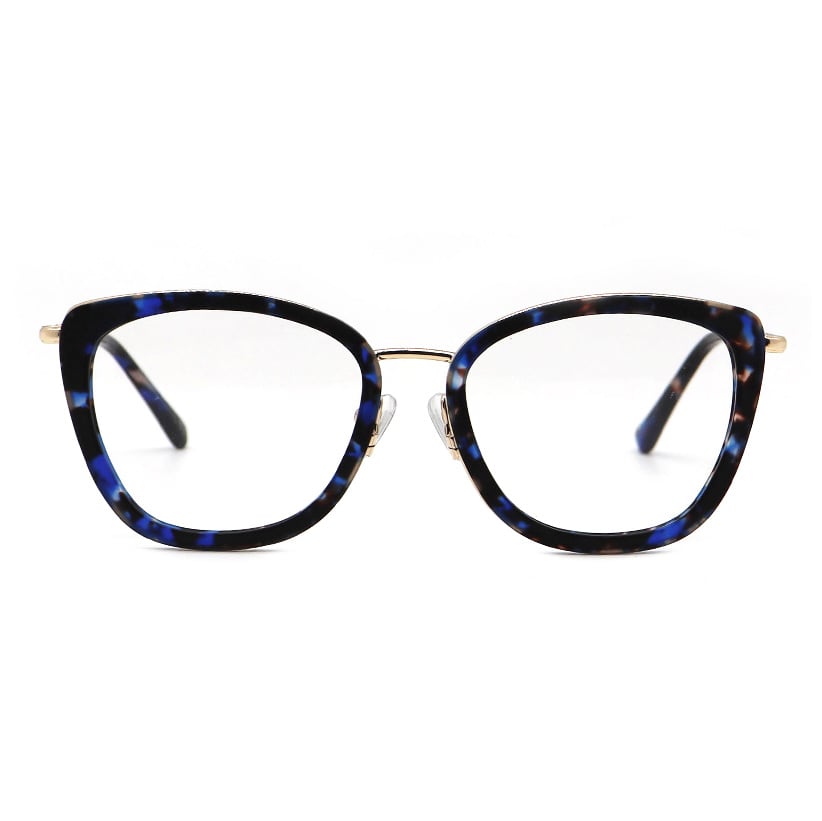
The lens groove is the channel cut into the frame that holds the lens edge. This groove must accommodate lenses of varying thicknesses while maintaining a secure fit across different prescriptions, materials, and edge styles. Spectacle frames with improper groove tolerance can lead to customer complaints, warranty claims, and damage to your brand reputation. Understanding the technical parameters behind groove tolerance helps buyers specify the right frames from manufacturers and ensure consistent product quality.
Understanding Lens Groove Tolerance Specifications
What Defines Lens Groove Tolerance
Lens groove tolerance in glasses frames refers to the allowable variation in the groove's width and depth dimensions. Manufacturers typically measure this in millimeters, with tolerance ranges often falling between plus or minus 0.1 to 0.3 millimeters depending on the frame design and material. Optical frames with tighter tolerances provide more secure lens retention, while looser tolerances increase manufacturing flexibility but may compromise fit quality. The groove profile itself varies by optical frames style, ranging from V-shaped grooves in traditional frames to more complex designs in modern spectacle frames.
Why Tolerance Matters for Frame Quality
Precise lens groove tolerance directly impacts how well lenses stay positioned within glasses frames during daily wear. When eyeglass frames feature inadequate groove tolerance, lenses may shift laterally, creating visual distortions or discomfort for the wearer. Additionally, loose-fitting lenses can cause the lens edge to contact frame material during wear, leading to chipping, cracking, or cosmetic damage. For manufacturers and retailers sourcing spectacle frames, tolerance specifications separate premium quality products from budget alternatives, influencing long-term customer satisfaction and return rates.
Technical Parameters Affecting Groove Tolerance
Material Considerations in Frame Manufacturing
Different materials used in optical frames exhibit varying dimensional stability and tolerance capabilities. Acetate spectacle frames, commonly used in prescription eyewear, can maintain tight tolerances because acetate material is rigid and dimensionally stable after manufacturing. Metal optical frames present different challenges because metal can shift slightly during welding, soldering, or finishing processes, requiring careful process control to maintain groove tolerance within specifications. Nylon and composite eyeglass frames materials may absorb moisture and expand, necessitating tolerance adjustments to account for environmental factors that could otherwise compromise lens fit over time.
Manufacturing Process Influence
The precision of lens groove tolerance depends heavily on the manufacturing methods employed in producing glasses frames. Computer numerical control (CNC) machining delivers the tightest tolerances, making it ideal for premium optical frames where consistency matters most. Hand-finishing and semi-automated methods used in some spectacle frames production may result in wider tolerance ranges, though skilled craftspeople can achieve acceptable results. Quality control checkpoints during manufacturing of eyeglass frames, including groove inspection with precision gauges, ensure that finished frames meet specified tolerance requirements before shipment to distributors or end customers.
Practical Implications for Eyewear Buyers
Selecting Frames With Appropriate Tolerance Levels
Eyewear buyers should request specific tolerance specifications when sourcing glasses frames from manufacturers or suppliers. Premium optical frames typically advertise groove tolerances of plus or minus 0.15 millimeters or tighter, indicating superior manufacturing control. When evaluating spectacle frames from different sources, comparing tolerance specifications provides an objective basis for quality comparison beyond visual inspection alone. Buyers purchasing large quantities of eyeglass frames should negotiate tolerance requirements as part of quality agreements, with clear consequences defined for out-of-specification products.
Testing and Verification During Receiving
Upon receiving glasses frames shipments, buyers can verify groove tolerance using simple tools like groove gauges or lens insertion testing. Insert lenses of standard thickness into sample optical frames from each batch to assess fit consistency and resistance to lateral movement. Excessive play or difficulty inserting lenses suggests tolerance issues that require discussion with the manufacturer. For high-volume buyers, establishing incoming inspection protocols for eyeglass frames ensures that only products meeting tolerance specifications reach your customers, protecting your reputation and reducing returns.
FAQ
How does lens groove tolerance affect lens durability in spectacle frames?
Proper lens groove tolerance in eyeglass frames prevents lenses from moving excessively within the frame during wear. When lenses remain securely positioned, they experience less stress at the edges and resist cracking or chipping. Loose-fitting lenses in glasses frames with poor groove tolerance experience friction and pressure changes that accelerate material fatigue, reducing lens lifespan significantly. Tight, well-controlled groove tolerance in quality optical frames protects your lenses and delivers better durability overall.
Can groove tolerance affect how prescription lenses are positioned?
Yes, excessive groove tolerance in glasses frames can cause lenses to shift during manufacturing, fitting, or wear, moving the optical center away from the intended position. This misalignment in eyeglass frames reduces the effectiveness of the prescription correction and may cause visual discomfort, eye strain, or headaches for wearers. Quality optical frames with tight groove tolerance maintain lens position precisely, ensuring that the finished spectacle frames deliver the intended optical performance. This is especially critical for progressive lenses and high-prescription eyewear where positional accuracy is essential.
What tolerance level should I require when ordering eyeglass frames from manufacturers?
Industry standards for quality spectacle frames typically specify groove tolerance of plus or minus 0.1 to 0.2 millimeters as acceptable. When sourcing glasses frames, negotiate for the tightest tolerance your budget allows, as tighter tolerances generally indicate better manufacturing processes. Request that your supplier provide tolerance specifications in writing and include them in your purchase agreements. For critical applications or premium eyeglass frames, consider requesting plus or minus 0.1 millimeter tolerance or tighter to ensure superior lens retention and customer satisfaction.



