
 EN
How Bridge Design Influences Eyeglass Frame Fit Accuracy: A Technical Guide for Eyewear Buyers
Discover how bridge width, material & double-bridge tech ensure optical precision & all-day comfort.
The bridge of eyeglass frames is far more than a cosmetic element connecting the two lens sections. It represents a critical structural component that directly determines how well optical frames sit on the wearer's face, how light transmits through the lenses, and ultimately how comfortable and effective the spectacle frames perform throughout the day. Understanding bridge design is essential for eyewear buyers who seek precision fit, optical accuracy, and long-term wearing comfort.
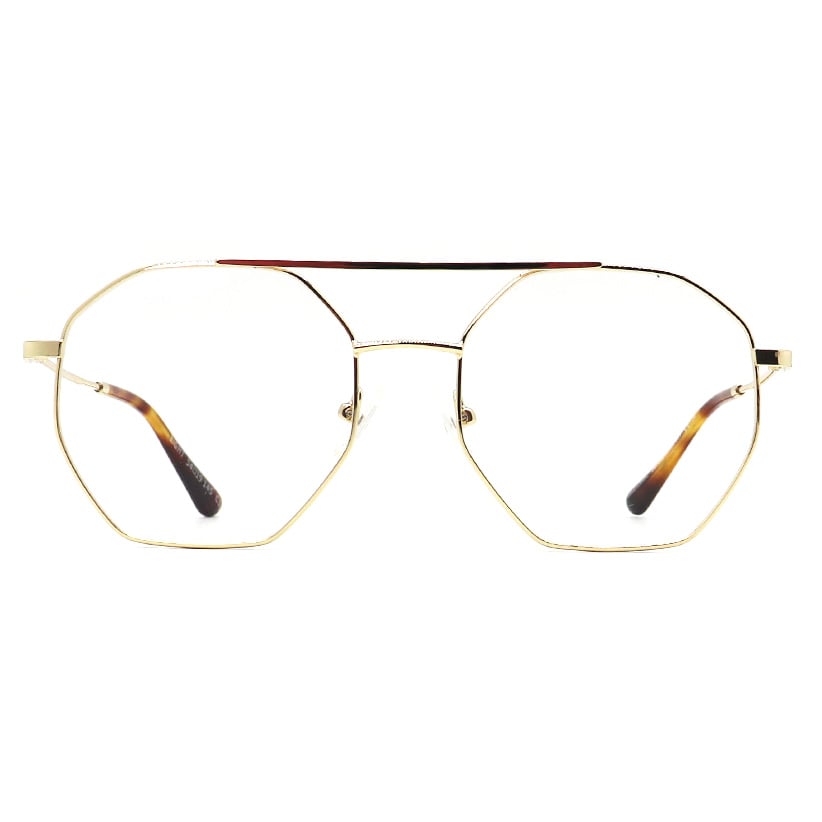
Bridge design encompasses multiple technical dimensions, including width, height, material composition, and structural geometry. Each of these factors interacts with individual facial anatomy to create a unique fit profile. When spectacle frames feature an optimized bridge design, they maintain consistent lens alignment, reduce slippage, minimize pressure points, and preserve the intended optical prescription performance. For buyers selecting new eyewear, bridge specifications should rank among the top criteria alongside lens type and frame material.
Understanding Bridge Width and Its Impact on Fit Accuracy
How Bridge Width Determines Facial Alignment
Bridge width in glasses frames refers to the horizontal distance between the inner edges of the two lens holes where the bridge connects them. This measurement directly correlates to the wearer's interpupillary distance and the natural width of the nasal bridge area. Optical frames with proper bridge width ensure that both lenses align directly over the eyes, maintaining the correct optical axis for each lens. When bridge width is too narrow, the frames sit too close together, shifting the visual axis inward and causing eye strain. Conversely, an oversized bridge leaves excessive gaps, pulling the frames away from the face and distorting peripheral vision clarity.
Bridge Width Variations and Frame Categories
Standard eyeglass frames typically feature bridge widths ranging from fourteen to twenty-two millimeters, with most adult spectacle frames falling between sixteen and twenty millimeters. Children's optical frames generally have narrower bridges, typically between twelve and sixteen millimeters, reflecting smaller facial proportions. Specialty eyewear categories, such as safety glasses or sports spectacle frames, sometimes employ wider bridges to enhance stability during active use. The precise bridge width specification becomes even more critical when purchasing prescription lenses, as any deviation from the optimal measurement can induce prism effects that degrade visual comfort and accuracy. Eyewear manufacturers typically display bridge width as the middle measurement in frame sizing notation, appearing between lens width and temple length.
Material Composition and Structural Rigidity in Bridge Design
Metallic Bridges versus Plastic Construction
The material selected for the bridge fundamentally influences how well optical frames maintain their intended fit geometry over extended use. Metal bridges, commonly fabricated from stainless steel, titanium, or aluminum alloys, provide superior rigidity and dimensional stability compared to acetate or plastic alternatives. Metallic spectacle frames resist warping from temperature fluctuations, humidity exposure, and daily handling stress. This structural consistency ensures that the bridge maintains precise alignment with facial anatomy throughout the frames' lifespan. Plastic bridges, while lighter and more affordable, tend to experience gradual deformation under moderate stress, particularly in warmer climates or with extended sun exposure. For buyers prioritizing fit accuracy and longevity, metal-bridged eyeglass frames represent the more dependable choice.
Double Bridge Technology and Enhanced Stability
Double bridge designs feature an additional support bar running parallel to the main bridge, creating supplemental structural reinforcement. This advanced configuration significantly enhances the rigidity of glasses frames, particularly beneficial for wearers with higher prescriptions requiring thicker, heavier lenses. The double bridge architecture distributes weight more evenly across the bridge region, reducing the localized stress concentration that can lead to frame deformation or lens misalignment. Spectacle frames incorporating double bridge designs demonstrate measurably improved fit accuracy over time, as the secondary support maintains consistent inter-lens spacing regardless of daily wear patterns. Buyers selecting optical frames for extended daily use, especially those with stronger prescriptions, find double bridge constructions particularly advantageous for preserving fit precision and optical alignment.
Advanced Bridge Design Parameters and Fit Optimization
Bridge Height and Vertical Alignment Considerations
Beyond horizontal width, bridge height represents another critical dimension influencing how eyeglass frames position the lenses relative to facial features. Bridge height determines the vertical distance from the wearer's cheekbone to the lower edge of the lens aperture. Optimal bridge height ensures that the lenses sit at the correct vertical meridian for proper lens power distribution, particularly in progressive or bifocal prescriptions where vertical positioning dramatically affects usable vision zones. Eyewear with insufficient bridge height sits too low on the face, forcing the wearer to tilt their head backward to use the proper lens regions, inducing neck strain and visual discomfort. Conversely, excessively tall bridges position lenses too high, creating similar compensation patterns and reducing optical performance. Spectacle frames engineered with precisely calibrated bridge heights accommodate diverse facial proportions while maintaining consistent optical alignment across populations.
Bridge Contour and Nasal Pressure Distribution
The contoured shape of the bridge significantly influences how pressure distributes across the nasal bridge during wear. Curved or anatomically shaped bridges in glasses frames better conform to individual nasal geometry, spreading contact pressure across a broader surface area and reducing point concentration that causes discomfort and skin irritation. Flat bridge designs, while structurally simpler, often concentrate pressure unevenly, particularly for wearers with unusually narrow or prominent nasal features. Optical frames incorporating ergonomic bridge contours typically feature adjustable components, allowing minor fit customization without compromising structural integrity. This adaptive capacity proves particularly valuable for buyers selecting eyewear intended for continuous, full-day wear. The bridge design's contour directly impacts not only immediate comfort but also skin health and long-term wearing tolerance, influencing whether wearers consistently achieve intended daily wear durations.
FAQ
What bridge width measurement should I select for accurate eyeglass frame fit?
Your bridge width should closely match your interpupillary distance, ideally within one to two millimeters. Standard eyeglass frames typically offer bridge widths from fourteen to twenty-two millimeters. Most adults fit comfortably in the sixteen to twenty-millimeter range. If you experience eye strain or see uneven lens positioning when wearing spectacle frames, bridge width mismatch may be the cause. Consult your optometrist to determine your precise measurements before purchasing new optical frames, as proper bridge sizing is fundamental to achieving fit accuracy and sustained visual comfort.
How does bridge material affect the fit accuracy of optical frames over time?
Metal bridges maintain dimensional stability far better than plastic alternatives, preserving fit accuracy throughout the eyeglass frames' lifespan. Metallic spectacle frames resist deformation from temperature changes, humidity fluctuations, and daily handling stress that gradually warps plastic bridges. If you live in a hot climate, spend extended time outdoors, or plan to wear your glasses frames for several years, metal bridge construction provides superior long-term fit reliability. Plastic-bridged optical frames may require periodic professional adjustment to restore proper alignment, whereas metal bridges typically retain their original fit geometry with minimal intervention over years of use.
Can double bridge design improve fit accuracy for higher prescription lenses?
Yes, double bridge designs significantly enhance fit accuracy for stronger prescriptions. Higher-power lenses are inherently thicker and heavier, placing greater stress on the bridge area of eyeglass frames. The additional structural support provided by the secondary bridge bar distributes this weight more evenly and resists the deformation pressures that heavier lenses generate. Spectacle frames with double bridge construction maintain consistent lens alignment better under the strain of thick prescription lenses, preserving optical accuracy and reducing the progressive fit degradation that can occur with single-bridge designs. If your prescription exceeds plus or minus four diopters, double bridge optical frames offer measurably better fit stability and long-term performance consistency.



