
 EN
Rim Thickness and Its Effect on Eyeglass Frame Strength: A Technical Guide for Eyewear Buyers
Discover the engineering link between rim thickness, material, and frame longevity for informed eyewear buying.
The structural integrity of eyeglass frames depends on multiple factors, with rim thickness standing as one of the most critical yet often overlooked considerations. When selecting eyewear, most buyers focus on style and fit, but understanding how rim thickness impacts the overall strength and longevity of eyeglass frames can significantly influence your purchasing decision. This technical guide explores the relationship between rim thickness and frame durability, providing eyewear buyers with the knowledge needed to make informed choices about optical frames that will withstand daily wear and environmental stress.
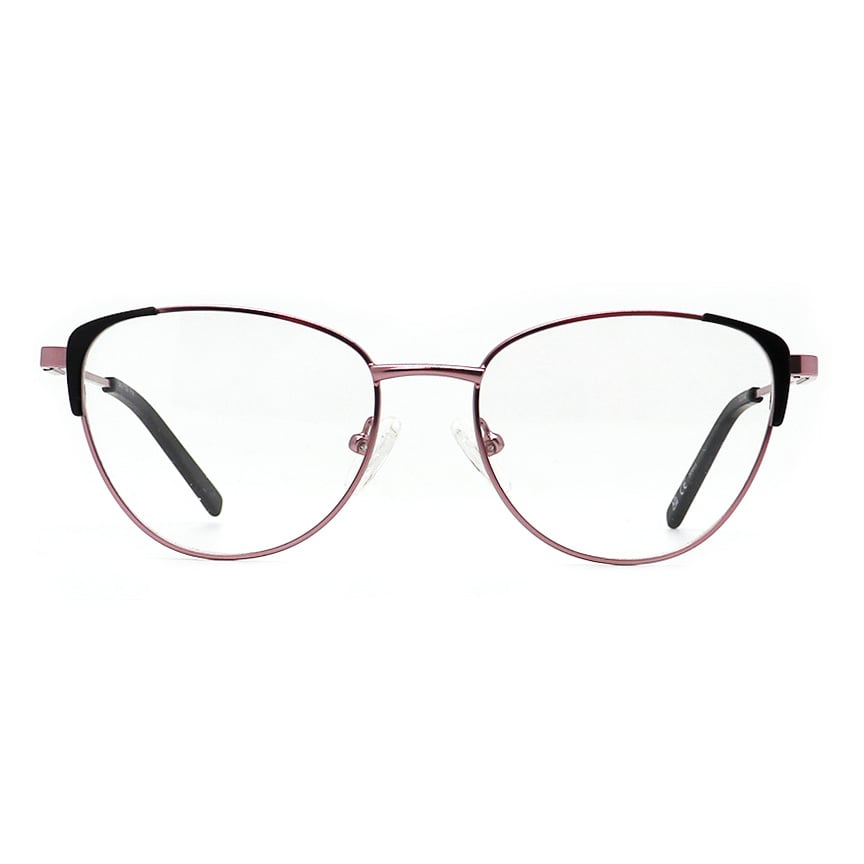
Rim thickness directly correlates to how well spectacle frames can resist bending, cracking, and deformation under pressure. Thicker rims distribute stress more effectively across the frame structure, reducing the concentration of force at weak points. For buyers evaluating optical frames, understanding this engineering principle helps explain why some glasses feel more robust than others and why frame thickness matters as much as material composition.
Understanding Rim Thickness in Eyeglass Frame Design
The Role of Rim Dimensions in Frame Construction
Rim thickness in eyeglass frames refers to the vertical dimension of the material that encircles the lens. This measurement is typically expressed in millimeters and varies significantly across different frame styles and manufacturers. Thicker rims, generally ranging from 2.5mm to 4mm or more, provide greater structural support compared to ultra-thin designs. The rim thickness of spectacle frames affects not only strength but also aesthetic appeal, weight distribution, and lens retention capability.
When examining glasses frames, the relationship between thickness and strength follows predictable engineering principles. A eyeglass frames with thicker rims can better withstand accidental drops, pressure from cleaning, and the daily stress of insertion and removal. Thinner optical frames, while aesthetically elegant and lighter, require more durable materials and precise manufacturing to maintain structural integrity over time.
Material Selection and Its Interaction with Thickness
The material composition of spectacle frames works in tandem with rim thickness to determine overall strength. Acetate frames with substantial rim thickness offer excellent durability and impact resistance. Metal optical frames achieve comparable strength with thinner rims because metal inherently possesses higher tensile strength than plastic materials. Titanium and stainless steel glasses frames can maintain structural integrity at thicknesses of 1.8mm to 2.5mm, whereas acetate frames typically require 2.5mm or greater to achieve equivalent performance.
Buyers selecting eyeglass frames must consider how material and thickness work together. Fiberglass-reinforced acetate combined with adequate rim thickness creates a particularly resilient option. Conversely, ultra-thin metal optical frames demand precision manufacturing and superior material quality to prevent warping or lens loss during normal use.
Structural Stress Distribution and Frame Longevity
How Rim Thickness Affects Load-Bearing Capacity
When eyeglass frames experience stress—whether from temple adjustment, lens pressure, or accidental contact—that force must be distributed throughout the frame structure. Thicker rims create broader surfaces for stress distribution, preventing concentrated pressure points that lead to cracking or fracture. Spectacle frames with inadequate rim thickness frequently fail at stress concentration zones, particularly where the rim meets the bridge or temple hinges.
The principle of load distribution in optical frames follows basic mechanical engineering: increasing cross-sectional area reduces stress intensity. A frame with 3.5mm rim thickness distributes temple pressure across a significantly larger material volume than a 1.8mm rim design. This distinction becomes particularly important for buyers who are active, frequently adjust their glasses, or work in demanding environments where eyewear endures greater-than-normal mechanical stress.
Fatigue Resistance and Long-Term Durability
Material fatigue represents a primary failure mode in eyeglass frames subjected to repeated stress cycles. Every time a wearer adjusts temples, cleans their glasses, or experiences minor impacts, the frame material undergoes flexing that accumulates microscopic damage. Thicker rims resist fatigue degradation more effectively because the larger material cross-section can absorb and dissipate cyclic stress without reaching critical failure points. Spectacle frames engineered with appropriate rim thickness maintain structural integrity for five to ten years or longer, whereas thin-rimmed designs may show permanent deformation within two to three years.
Advanced optical frames manufacturers employ finite element analysis to optimize rim thickness for specific materials and frame geometries. This computational approach ensures that glasses frames achieve maximum longevity while maintaining target weight and aesthetic goals. Buyers benefit from this engineering rigor when selecting eyewear from reputable manufacturers who invest in durability testing and structural analysis.
Practical Selection Criteria for Eyewear Buyers
Assessing Frame Strength Through Rim Thickness Inspection
When evaluating eyeglass frames, direct examination of rim thickness provides immediate insight into expected durability. Hold the frames at an angle under light and observe the rim profile. Substantial, well-defined rims indicate robust engineering, while excessively thin edges suggest potential durability compromises. Spectacle frames should feel solid when gently flexed; excessive give or creaking indicates inadequate rim thickness or material quality. Optical frames manufactured from quality acetate or metal typically exhibit smooth, consistent rim profiles without visible seams, bubbles, or irregularities.
Reputable manufacturers clearly communicate rim thickness specifications. Request detailed measurements when purchasing eyeglass frames, and compare thickness values across candidate styles. For glasses frames intended for children, athletes, or anyone with active lifestyles, prioritize models with rim thickness of 2.8mm or greater in acetate, or 2.0mm or greater in metal construction.
Matching Rim Thickness to Lifestyle and Usage Patterns
Optimal rim thickness depends on individual usage patterns and environmental demands. Sedentary professionals who handle their spectacle frames gently may successfully wear thinner optical frames, though moderate thickness still provides valuable protection against occasional mishaps. Active individuals, outdoor workers, or those in industrial environments require eyeglass frames with substantial rim thickness to withstand regular mechanical stress and environmental exposure.
Children and teenagers should consistently receive glasses frames with robust rim thickness because younger wearers typically subject eyewear to higher stress levels through sports, play, and accidental drops. Similarly, individuals who frequently travel or work in challenging conditions benefit significantly from thicker-rimmed spectacle frames that tolerate rough handling and environmental extremes. Consider prescription strength as well; higher prescriptions require thicker optical frames to accommodate the additional weight and mechanical demands of heavy corrective lenses.
FAQ
What is the ideal rim thickness for everyday eyeglass frames?
For typical daily wear, spectacle frames should feature rim thickness between 2.5mm and 3.5mm in acetate materials, or 1.8mm to 2.5mm in quality metal construction. This thickness range provides robust strength while maintaining comfortable weight and contemporary aesthetics. Optical frames within these specifications typically endure five to seven years with proper care, making them reliable choices for most eyewear buyers.
Can ultrathin optical frames be as durable as thicker designs?
Ultrathin glasses frames can approach the durability of thicker models when manufactured from premium materials like titanium or high-modulus plastics and engineered with advanced reinforcement techniques. However, eyeglass frames with substantial rim thickness inherently provide superior stress distribution and fatigue resistance. Buyers selecting minimal-thickness spectacle frames should expect reduced impact tolerance and potentially shorter lifespans unless investing in exceptional material quality and precision manufacturing.
How does rim thickness affect the weight of eyeglass frames?
Thicker rims increase overall frame weight, though the impact varies significantly by material. Optical frames manufactured from lightweight titanium alloys remain comfortable even with moderate rim thickness because the material density is substantially lower than acetate or stainless steel. Acetate spectacle frames with 3.5mm rims weigh noticeably more than 2.0mm designs, potentially becoming uncomfortable during extended wear. Modern eyeglass frames balance strength and weight through material science and optimized geometry rather than simply minimizing or maximizing rim thickness.



