
 EN
Lens Tint and Mirror Coating Choices in Custom Sunglasses: Key Differences and Selection Factors
Compare performance, cost, durability & branding impact—get expert selection criteria now.
Selecting the right custom sunglasses involves far more than choosing a frame style. The lens tint and mirror coating significantly impact visual performance, brand perception, and end-user satisfaction. Whether you're sourcing promotional sunglasses for corporate events, developing branded sunglasses for retail distribution, or managing OEM sunglasses for large-scale orders, understanding these optical choices is essential to making decisions that align with your business goals and customer expectations.
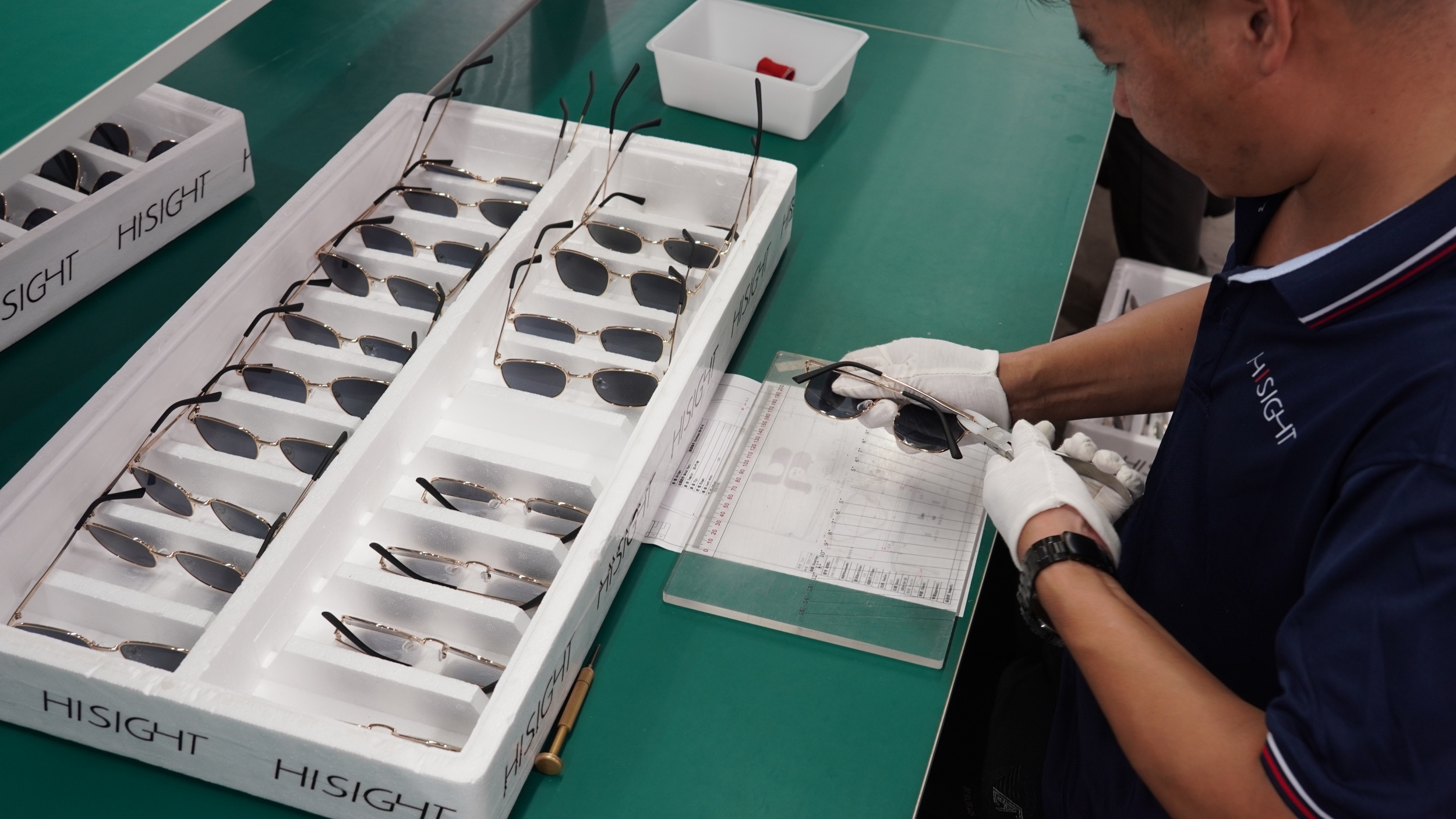
The optical quality and aesthetic appeal of promotional sunglasses or branded sunglasses depend heavily on how lenses are tinted and coated. Mirror coatings, gradient tints, and polarization all serve distinct purposes. A corporate giveaway might benefit from a classic brown tint, while fashion-forward branded sunglasses may demand reflective mirror coatings. OEM sunglasses destined for outdoor sports require different specifications than those for casual urban wear. This guide explores the technical and commercial implications of each lens treatment option.
Understanding Lens Tint Categories and Their Applications
Core Tint Types and Visual Performance
Lens tint directly affects light transmission, color perception, and glare reduction. Common tint options for custom sunglasses include gray, brown, rose, amber, and green. Gray tints provide neutral color reproduction and are ideal for OEM sunglasses aimed at general consumers, as they reduce brightness without distorting natural colors. Brown and amber tints enhance contrast and are popular in promotional sunglasses for outdoor activities, particularly golf and fishing. Rose and coral tints appeal to fashion-conscious buyers seeking branded sunglasses that combine style with functionality.
The density of tint—light, medium, or dark—determines how much light reaches the eye. Darker tints suit bright environments but may reduce visibility indoors. Medium-density tints offer versatility, making them a safe choice for OEM sunglasses intended for general distribution. When developing promotional sunglasses or branded sunglasses for your organization, consider the primary use case. Beach resorts might favor darker tints, while retailers selling year-round eyewear prefer moderate density to broaden market appeal.
Specialty Tints and Market Differentiation
Gradient tints fade from darker at the top to lighter at the bottom, reducing glare from bright skies while maintaining better lower vision—a feature appreciated in OEM sunglasses and promotional sunglasses for driving. Photochromic tints adjust darkness based on UV exposure, adding premium value to branded sunglasses. Custom sunglasses with specialty tints command higher perceived value and justify premium pricing in retail channels. However, custom sunglasses with specialty tints may incur higher manufacturing costs, so volume requirements and budget constraints must be evaluated when sourcing promotional sunglasses or OEM sunglasses for corporate programs.
Mirror Coatings: Aesthetics, Protection, and Technical Considerations
Mirror Coating Types and Visual Effects
Mirror coatings create a reflective surface on the lens exterior, producing the distinctive 'mirrored' appearance popular in contemporary sunglasses. Custom sunglasses with mirror coatings appeal strongly to fashion-conscious consumers and work exceptionally well for branded sunglasses campaigns targeting youth and lifestyle markets. Common mirror coating colors include silver, gold, blue, red, and rose, each creating different aesthetic impressions. Promotional sunglasses featuring bold mirror coatings generate high brand visibility and memorable impressions at events and promotional giveaways.
From a technical perspective, mirror coatings reduce light transmission by reflecting a portion of incoming light away from the eye, lowering the effective light reaching the wearer. This allows the lens tint beneath the mirror coating to remain lighter while still providing robust UV protection and glare reduction. OEM sunglasses manufacturers often pair mirror coatings with medium tints to achieve both performance and style. The mirror effect also enhances privacy by making it difficult for observers to see the wearer's eyes, a feature particularly valued in branded sunglasses marketed for professional or high-visibility situations.
Durability and Maintenance Implications
Mirror coatings add an additional layer to the lens structure, introducing both benefits and considerations. High-quality mirror coatings on custom sunglasses resist scratching and maintain color vibrancy over extended use, supporting brand reputation and customer satisfaction. However, improper cleaning or contact with abrasive materials can damage mirror coatings more readily than standard tinted lenses. When sourcing promotional sunglasses or OEM sunglasses, selecting coatings from reliable manufacturers with proven durability records ensures consistent product quality across large orders.
Maintenance education becomes important for branded sunglasses buyers. Recommended cleaning practices—soft cloth only, no harsh chemicals—preserve mirror coating integrity and extend product lifespan. Custom sunglasses with premium mirror coatings justify higher retail prices and create differentiation in competitive markets. For OEM sunglasses and promotional sunglasses aimed at budget-conscious segments, standard mirror coatings provide adequate durability while keeping costs manageable.
Selection Factors: Matching Lens Treatments to Business and Customer Needs
Application Context and End-User Expectations
Choosing the right lens tint and mirror coating for custom sunglasses requires aligning optical properties with intended use and target audience. Promotional sunglasses distributed at outdoor summer events benefit from darker, UV-protective tints with optional mirror coatings for visual interest. Branded sunglasses developed for retail sale in upscale markets might prioritize premium tint options like gradient or photochromic combined with high-quality mirror coatings. OEM sunglasses manufactured for mass distribution typically emphasize durability and universal appeal through neutral tints and optional, cost-effective mirror options.
Budget, Volume, and Supply Chain Considerations
Production volume directly influences coating and tint selection decisions. High-volume OEM sunglasses orders benefit from standardized tint and coating combinations that reduce manufacturing complexity and lead time. Promotional sunglasses for specific campaigns can justify custom tint and coating combinations, particularly if brand guidelines or event themes demand particular colors. Custom sunglasses featuring multiple tint and coating options appeal to retailers seeking variety but require careful inventory management and higher minimum order quantities. Branded sunglasses collections often feature three to five lens treatment variations, allowing retailers to stock options matching diverse customer preferences while maintaining efficient supply chains.
Cost considerations extend beyond material expenses. Mirror coatings and specialty tints typically add fifteen to thirty percent to base lens costs, significantly impacting total production budgets for large orders. OEM sunglasses manufacturers negotiate coating options with suppliers to optimize pricing at scale. For promotional sunglasses, single tint and coating combinations reduce costs, making giveaways more financially sustainable. Branded sunglasses targeted at premium segments justify higher coating costs through margin expansion and brand positioning. Evaluating total cost of ownership—including storage, potential markdowns, and inventory turnover—ensures sound economic decisions when selecting lens treatments for custom sunglasses programs.
FAQ
What is the difference between polarized tints and standard tints in custom sunglasses?
Polarized tints contain a specialized filter that reduces glare from reflective surfaces like water and glass, while standard tints simply reduce overall light transmission. Polarized custom sunglasses command premium pricing and appeal to active users and outdoor professionals. Standard tints in promotional sunglasses and OEM sunglasses offer adequate UV protection for general wear and cost less to manufacture. The choice depends on target market expectations and budget constraints.
How do mirror coatings affect the lifespan of branded sunglasses?
High-quality mirror coatings enhance durability when properly manufactured and maintained, extending the perceived lifespan of branded sunglasses through resistance to fading and scratching. However, mirror coatings require gentler care than plain tinted lenses. OEM sunglasses and promotional sunglasses with mirror coatings benefit from care instructions that emphasize proper cleaning with soft cloths only. Investing in premium coating quality ensures branded sunglasses maintain their aesthetic appeal and visual performance throughout extended ownership.
Can I customize both tint and mirror coating for small order quantities of promotional sunglasses?
Most manufacturers accommodate custom tint and coating combinations for promotional sunglasses above certain minimum quantities, typically 500 to 1000 units. Custom sunglasses with fully tailored specifications may incur setup fees and extended lead times. For smaller promotional campaigns, selecting from standard tint and coating options keeps costs low and timelines short. Branded sunglasses and OEM sunglasses intended for larger programs almost always support complete customization without significant cost premiums.



