
 EN
Surface Finishes Available for Custom Sunglasses Frames: A Technical Guide for Eyewear Buyers
Compare matte, gloss, metallic & protective coatings—plus durability, cost & comfort insights. Download spec guide.
Surface finishes represent a critical yet often overlooked dimension in the design and manufacturing of custom sunglasses. Beyond aesthetics, the finish applied to frames directly influences durability, comfort, brand perception, and long-term wearability. For eyewear buyers tasked with sourcing branded sunglasses or promotional sunglasses, understanding surface finish options is essential to making informed procurement decisions that align with product quality expectations and end-user satisfaction.
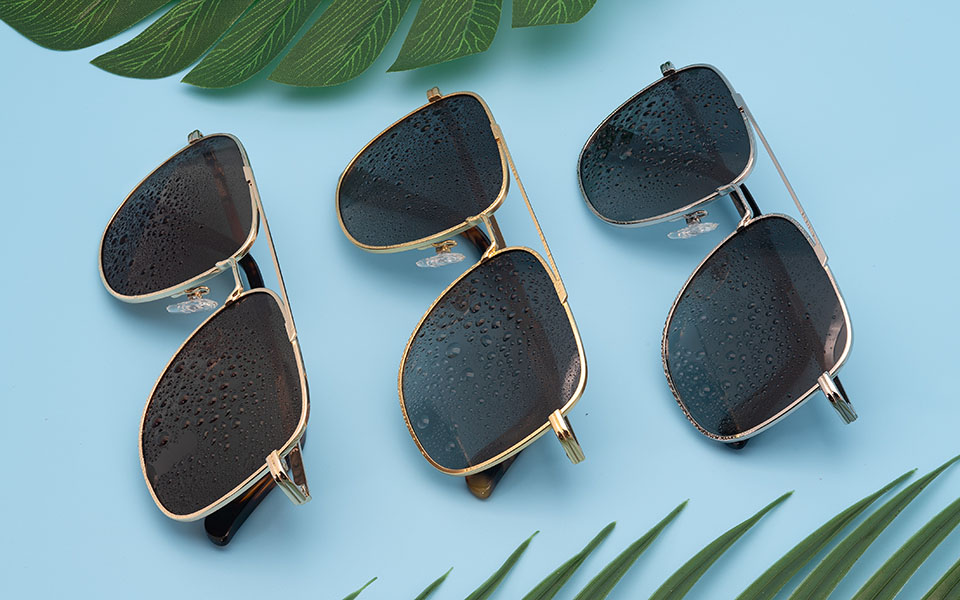
When developing OEM sunglasses or custom sunglasses collections for retail distribution, manufacturers apply various surface treatments to frame materials such as acetate, metal alloys, and specialty polymers. Each finish type offers distinct protective qualities, tactile characteristics, and visual appeal. This technical guide explores the most common surface finishes used in eyewear production, how they perform in real-world conditions, and how to select the right finish for your specific branded sunglasses or promotional sunglasses campaign.
Understanding Core Surface Finish Types
Matte and Soft-Touch Finishes
Matte finishes dominate contemporary eyewear design, particularly for custom sunglasses aimed at lifestyle and fashion-conscious consumers. This finish is created by micro-texturing the frame surface, which diffuses light reflection and creates a sophisticated, understated appearance. Matte treatments significantly reduce visible fingerprints and smudges, making them ideal for branded sunglasses that must maintain visual appeal throughout daily wear. The soft-touch variant incorporates a thin polymer coating that enhances grip and provides a premium tactile experience, directly improving perceived value in promotional sunglasses applications.
Matte finishes perform well across acetate and metal frame bases. For metal OEM sunglasses, a matte anodized coating provides corrosion resistance alongside aesthetic benefits. The primary consideration is that matte surfaces may show wear patterns over time if exposed to consistent rubbing or contact. Buyers sourcing custom sunglasses in volume should verify whether manufacturers offer refreshable matte coatings or if the finish is integrated into the base material itself.
Gloss and High-Shine Finishes
High-gloss finishes reflect light dramatically and create striking visual impact, making them popular for branded sunglasses campaigns targeting premium market segments. This finish involves polishing the frame surface to a mirror-like quality or applying a transparent protective gloss coating. OEM sunglasses with gloss finishes demand rigorous quality control during production, as any dust or imperfection becomes immediately visible. Promotional sunglasses with gloss finishes require careful packaging and handling to prevent scratches that would undermine their premium appearance upon delivery.
Gloss finishes excel at highlighting frame color depth and design detail but require regular cleaning to maintain their visual impact. Metal frames benefit from high-gloss polishing, which emphasizes craftsmanship and material quality in custom sunglasses. Acetate-based frames can achieve gloss finishes through multi-layer lacquer application, though this process is more labor-intensive and increases production cost compared to matte alternatives.
Specialty Finishes and Protective Coatings
Metallic and Textured Finishes
Metallic finishes incorporate pigments or metallic particles into surface coatings, creating dimension and visual richness that differentiate branded sunglasses from standard offerings. Common metallic treatments include brushed metal, which creates fine linear patterns through directional surface treatment, and sparkle or glitter finishes, which embed reflective particles for eye-catching appeal. Custom sunglasses utilizing metallic finishes often command premium positioning within promotional sunglasses campaigns, as the distinctive appearance justifies higher price points and strengthens brand memorability.
Textured finishes, such as hammered, lizard-grain, or geometric patterns, add tactile and visual interest to frames. These finishes are typically applied through injection molding for acetate frames or through etching and coating processes for metal OEM sunglasses. The texture also provides practical benefits by masking minor surface imperfections and fingerprints, similar to matte finishes but with enhanced visual personality. Buyers considering textured finishes for custom sunglasses should confirm that texture depth is consistent across production batches and does not compromise frame comfort against the skin.
Anti-Reflective and Hydrophobic Coatings
Beyond aesthetic finishes, functional coatings significantly enhance the performance of branded sunglasses and promotional sunglasses. Anti-reflective coatings reduce light reflection from the outer frame surface, which improves the wearer's experience by minimizing glare and allowing the lens to take visual prominence. Hydrophobic finishes repel water, oils, and dust, maintaining frame cleanliness and extending the practical lifespan of custom sunglasses in humid or high-use environments. These functional coatings are frequently applied over aesthetic finishes, creating a dual-benefit approach that appeals to quality-conscious consumers.
OEM sunglasses manufacturers increasingly stack protective coatings to deliver enhanced durability. For example, a brushed metal frame may receive an anti-fingerprint hydrophobic topcoat that preserves both the aesthetic brushed appearance and provides long-term protection. Promotional sunglasses targeting outdoor or sports applications particularly benefit from hydrophobic coatings, as they reduce maintenance demands and enhance perceived durability. Buyers should verify coating thickness and adhesion quality, as poorly applied coatings may degrade after extended wear, compromising the investment in surface finish specification.
Practical Selection Criteria for Eyewear Buyers
Durability and Long-Term Performance
Durability of surface finishes directly impacts the reputation and return rate of branded sunglasses and custom sunglasses distributed through promotional channels. Matte finishes generally demonstrate superior durability under typical wear conditions, as they mask minor scratches and do not show fingerprints conspicuously. Gloss finishes, while visually striking, require protective measures during transit and demand higher quality-control standards from manufacturers. OEM sunglasses specifications should include testing protocols for abrasion resistance, impact resilience, and UV stability of surface coatings to prevent premature yellowing or degradation.
Temperature cycling affects surface finish performance, particularly in regions with significant seasonal variation. Matte and soft-touch finishes withstand temperature fluctuations more consistently than thin gloss coatings, which may crack or peel if subjected to extreme thermal stress. For promotional sunglasses targeting international distribution, selecting finishes with proven performance across diverse climates reduces warranty claims and maintains brand reputation. Testing surface finishes under accelerated aging conditions prior to full production run commitment ensures that custom sunglasses will perform as intended throughout their intended lifespan.
Cost-Benefit Analysis and Production Implications
Surface finish selection directly influences production cost, lead time, and quality consistency in manufacturing custom sunglasses and branded sunglasses. Matte finishes require micro-texturing machinery and may necessitate additional quality inspection steps but generally involve lower per-unit costs compared to multi-layer gloss applications. Specialty finishes such as metallic or textured options demand specialized equipment and skilled labor, substantially increasing production cost and lead time. OEM sunglasses buyers must balance aesthetic differentiation against production budget and timeline constraints when specifying surface finish requirements.
Protective coatings add measurable cost but deliver substantial value through enhanced durability and reduced return rates. For promotional sunglasses intended to reinforce brand perception, investing in quality surface finishes and protective coatings reduces the risk of product failure in the field and demonstrates commitment to quality. Bulk ordering volumes typically reduce per-unit finish costs, making premium finishes more economically viable for large-scale custom sunglasses campaigns. Buyers should request cost breakdowns from manufacturers to understand the specific financial impact of each finish option and optimize selection based on target market expectations and budget constraints.
FAQ
What surface finish is most resistant to fingerprints and smudges on branded sunglasses?
Matte finishes naturally resist visible fingerprint marks because the micro-textured surface diffuses light rather than reflecting it directly. Hydrophobic coatings applied over matte finishes provide additional protection by repelling oils that cause smudging. For promotional sunglasses intended to maintain appearance throughout a trade show or event, matte or soft-touch finishes combined with hydrophobic treatment deliver the best practical performance and require minimal maintenance between uses.
Can surface finishes be reapplied to custom sunglasses after they wear?
Most surface finishes cannot be easily reapplied to custom sunglasses once wear occurs because they are integrated into the frame material or require industrial equipment to apply uniformly. Matte finishes integrated through injection molding are permanent, while applied coatings may eventually degrade. OEM sunglasses with applied finishes may be refinished by the manufacturer but typically at cost levels that make repair uneconomical for promotional sunglasses or budget-tier branded sunglasses. Durability testing during development ensures that selected finishes will withstand the intended product lifecycle without requiring restoration.
How do surface finishes affect the comfort of wearing branded sunglasses or custom sunglasses?
Soft-touch finishes enhance comfort by improving grip and reducing the sensation of hard plastic or metal against skin, making them preferred for OEM sunglasses and promotional sunglasses worn for extended periods. Matte finishes generally feel neutral and comfortable, while high-gloss finishes may feel slippery and cool against the skin. For custom sunglasses marketed toward active or outdoor use, soft-touch matte finishes combine comfort, durability, and low-maintenance appeal. Testing surface finishes with target users in pilot programs helps validate comfort perceptions before committing to large-scale production runs.



