
 EN
Customization Options for Sunglasses Frames and Lenses: A Technical Guide for Eyewear Buyers
Discover acetate vs. metal frames, TAC polarized lenses, branding specs & OEM quality testing—get expert buyer guidance now.
When selecting eyewear for personal or business use, understanding the full range of customization options available transforms decision-making from guesswork into informed strategy. Custom sunglasses represent far more than aesthetic choices; they embody technical specifications, material science, and functional performance that directly impact wearer satisfaction and brand perception. Whether sourcing for corporate gifting, retail inventory, or personal preference, buyers need clarity on lens technology, frame construction, and customization depth to maximize value and functionality.
The eyewear industry has evolved significantly, offering unprecedented customization depth across frame styles, lens technologies, and branding opportunities. Buyers today face three primary pathways: working with OEM sunglasses manufacturers for volume production, selecting custom sunglasses vendors for tailored solutions, or leveraging branded sunglasses for market differentiation. Each approach carries distinct technical considerations, cost implications, and design flexibility that directly influence final product quality and buyer return on investment.
Understanding Frame Customization and Material Options
Acetate and Injection-Molded Frames
Acetate remains the gold standard for promotional sunglasses and branded sunglasses production due to its versatility, durability, and aesthetic appeal. This thermoplastic material allows for complex color infusions, pattern integration, and precise dimensional tolerancing. OEM sunglasses manufacturers favor acetate because it accepts custom painting, logo application, and embossing without compromising structural integrity. The material withstands temperature fluctuations, moisture exposure, and sustained UV stress, making it ideal for both outdoor and lifestyle applications.
Injection molding enables rapid prototyping and high-volume production of branded sunglasses with consistent quality metrics. This process allows manufacturers to embed metallic accents, create textured surfaces, and produce multi-color designs within single production runs. When specifying OEM sunglasses for large orders, buyers should request material certifications confirming hypoallergenic composition and compliance with international safety standards for temple flexibility and impact resistance.
Metal Frames and Hybrid Designs
Metal frame customization for promotional sunglasses involves precision machining, welding, and surface treatment protocols. Stainless steel, titanium alloys, and aluminum composites provide lightweight alternatives with superior corrosion resistance. Custom sunglasses with metal components require specialized plating processes such as nickel-free electroplating or PVD coating to ensure durability and biocompatibility. Hybrid designs combining metal bridges with acetate temples offer aesthetic sophistication while maintaining structural flexibility, making them popular in branded sunglasses collections targeting premium market segments.
Lens Technology and Optical Specifications
Polarization and UV Protection Standards
Polarized lenses represent the most requested customization feature across custom sunglasses, OEM sunglasses, and promotional sunglasses applications. Polarization technology eliminates glare from reflective surfaces by filtering light waves traveling on horizontal planes, providing clarity during water activities, driving, and snow environments. Buyers must verify that polarized custom sunglasses meet optical standards requiring minimum 99% UV-A and UV-B blockage to protect against photokeratitis and long-term retinal damage. Branded sunglasses manufacturers typically offer polarization across multiple tint options including gray, brown, and rose, each optimizing visual contrast for specific environments.
OEM sunglasses production frequently incorporates TAC (triacetate cellulose) lenses, which provide superior optical clarity and impact resistance compared to standard plastic alternatives. TAC polarized lenses undergo rigorous testing for optical distortion, ensuring prescription-grade precision even in mass-produced custom sunglasses. When sourcing promotional sunglasses for distribution, confirming lens optical quality prevents warranty claims and protects brand reputation through superior wearer experience.
Gradient and Mirror Coatings
Advanced lens customization options for custom sunglasses include gradient tinting, mirror coatings, and photochromic technology. Gradient lenses transition from darker tints at the top to lighter tones at the bottom, reducing brightness from sky while maintaining lower vision clarity. Mirror coatings reflect incoming light, providing additional glare reduction and distinctive aesthetic appeal for branded sunglasses targeting fashion-forward demographics. OEM sunglasses manufacturers can apply flash mirror effects in colors including copper, gold, silver, and blue, enabling rapid differentiation across promotional sunglasses collections.
Branding Integration and Customization Depth
Logo Placement and Marking Techniques
Promotional sunglasses customization encompasses multiple logo placement options including temple engraving, bridge embossing, and lens printing. Custom sunglasses manufacturers employ laser engraving for precision marking on metal components and hot stamping for acetate surfaces, ensuring permanent branding resistant to daily wear and cleaning. OEM sunglasses producers typically offer complimentary design consultation to optimize logo visibility while maintaining aesthetic balance. Branded sunglasses collections benefit from subtle positioning that reinforces brand identity without compromising frame elegance or wearer comfort during extended use.
Color Customization and Design Specifications
Custom sunglasses frame color customization extends beyond standard catalogs through proprietary color matching and multi-tone injection processes. OEM sunglasses manufacturers maintain extensive color libraries enabling buyers to specify precise Pantone equivalents for brand consistency. Promotional sunglasses often feature custom color combinations, translucent finishes, and metallic accents that reflect brand guidelines and target market preferences. Branded sunglasses design specifications should document frame color, lens tint, bridge width, temple length, and noseguard options to ensure consistent production across manufacturing batches and international suppliers.
FAQ
What specifications matter most when ordering custom sunglasses?
Critical specifications include lens optical quality, polarization capability, UV protection rating, frame material composition, temple flexibility, and noseguard design. For branded sunglasses, bridge width and temple length directly impact comfort across diverse facial structures, influencing wearer satisfaction and repeat purchases. OEM sunglasses production requires detailed specifications for promotional sunglasses including minimum order quantities, color consistency tolerances, and quality assurance protocols to prevent costly production delays and customer dissatisfaction.
How do OEM sunglasses differ from branded sunglasses and promotional sunglasses?
OEM sunglasses represent manufacturer-direct production tailored to bulk orders with complete customization control over materials, specifications, and branding. Branded sunglasses feature established design standards and quality benchmarks, offering consistency but reduced customization flexibility. Promotional sunglasses typically emphasize cost efficiency and rapid production within specific design parameters, prioritizing brand visibility over advanced lens technology. Buyers selecting between these approaches should evaluate order volume, timeline requirements, budget constraints, and desired customization depth to choose the optimal pathway for their custom sunglasses needs.
What quality assurance testing should custom sunglasses undergo before shipment?
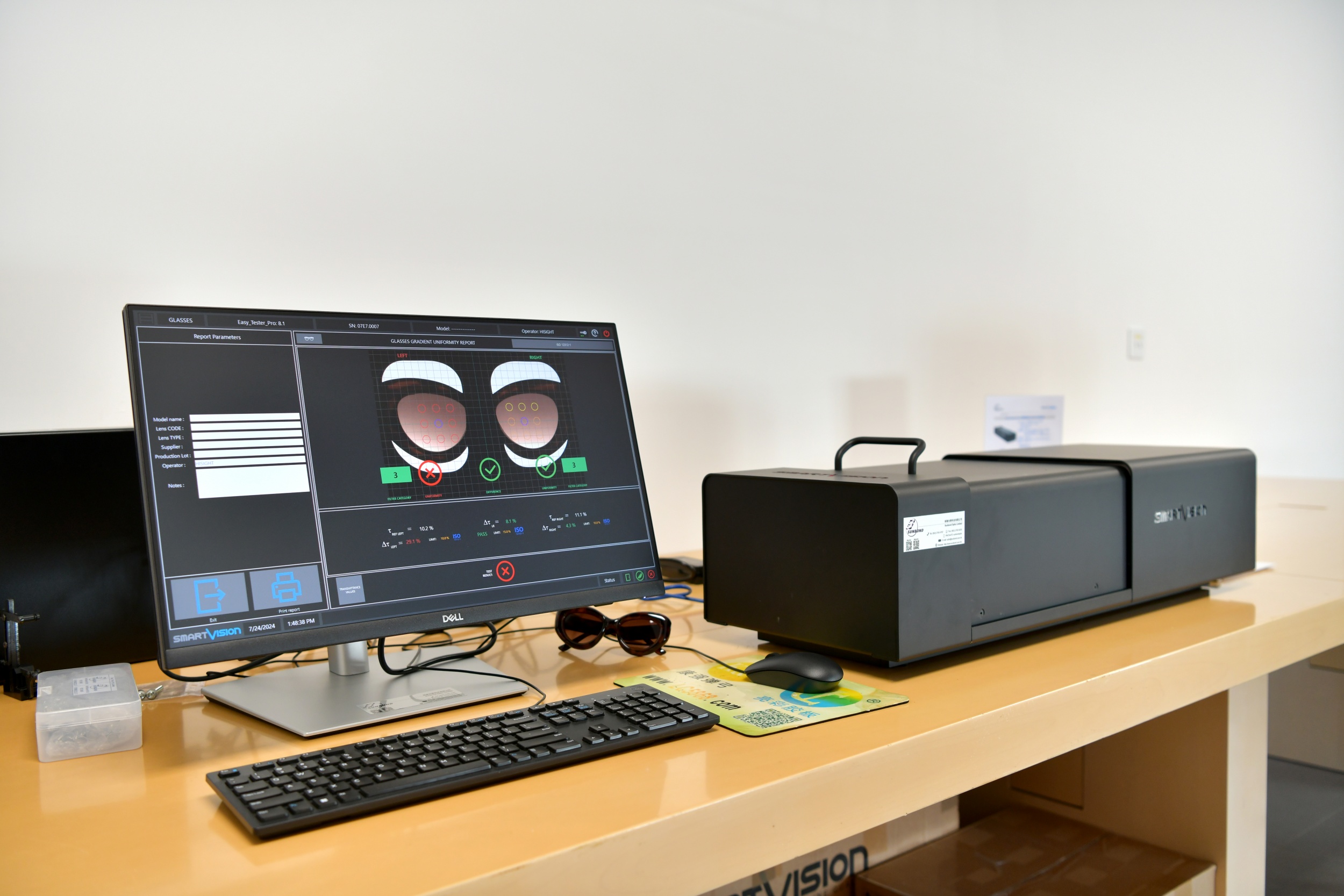
Comprehensive testing for custom sunglasses includes optical inspection for lens clarity and distortion, UV light measurement confirming protection standards, impact resistance evaluation per ANSI Z87.1 standards, and color consistency verification against approved samples. Branded sunglasses and OEM sunglasses should undergo accelerated aging tests simulating prolonged sun exposure, thermal cycling for frame stress assessment, and salt spray corrosion testing for metal components. Promotional sunglasses batches require random sampling protocols with documented test results, ensuring quality consistency and regulatory compliance across all production units before distribution to end users.



