
 EN
Light Transmission and Contrast in Polarized Sunglasses: A Technical Guide for Eyewear Buyers
iscover the science, specs, and buyer criteria that drive real-world performance. Get expert insights now.
Understanding the technical principles behind polarized sunglasses is essential for eyewear buyers seeking optimal visual comfort and protection. Light transmission and contrast control represent two fundamental mechanisms that determine how well polarized lenses perform in real-world conditions. When sunlight reflects off horizontal surfaces like water, snow, or asphalt, it becomes polarized, creating harsh glare that reduces visibility and causes eye strain. Polarized lenses are engineered to selectively block this reflected horizontal light while allowing beneficial vertical light to pass through, dramatically improving visual clarity and comfort.
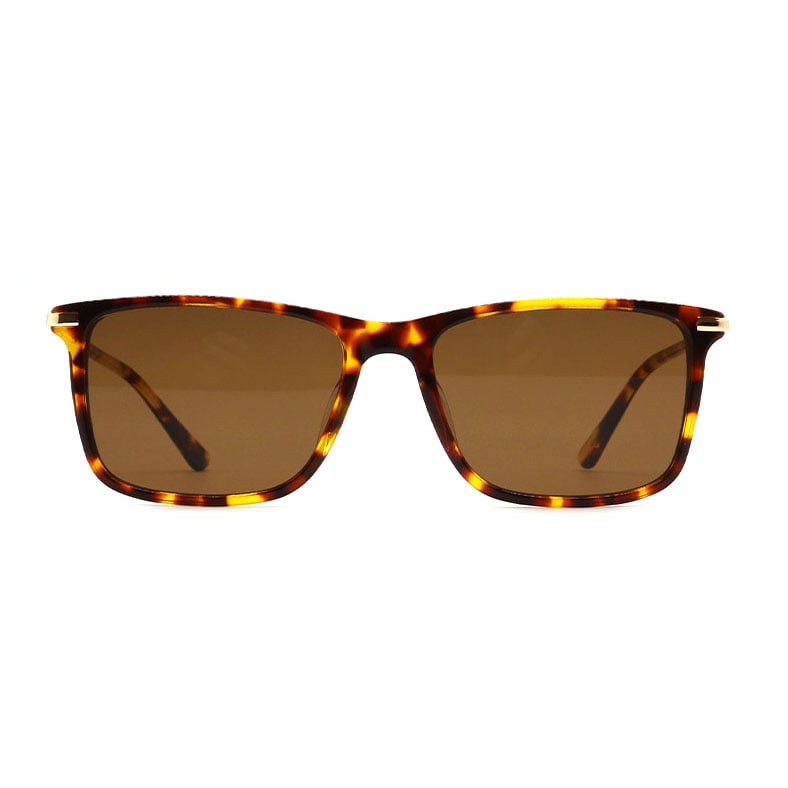
The science of polarized lenses involves a specialized filter layer that functions as a microscopic grid, aligned to absorb horizontally polarized light waves. This technology transforms ordinary sunglasses into precision optical instruments capable of delivering superior contrast enhancement and visual performance. For buyers evaluating eyewear options, understanding how light transmission rates and contrast ratios affect daily wear experiences is crucial to making informed purchasing decisions.
How Light Transmission Works in Polarized Lenses
The Mechanism of Glare Reduction
Glare reduction sunglasses, particularly those using polarized technology, operate through a well-defined optical principle. When natural light strikes a reflective surface at a shallow angle, the majority of reflected light becomes horizontally polarized. Traditional sunglasses merely reduce overall light intensity, leaving polarized glare relatively unaffected. Polarized lenses, by contrast, employ a crystalline filter that blocks light oscillating in the horizontal plane while permitting light vibrating vertically to pass through. This selective filtering creates dramatic improvements in visual comfort, especially during water activities, snow sports, or driving scenarios where reflection intensity is extreme.
Optimizing Light Transmission Rates
The light transmission rate of polarized sunglasses directly influences both protection and usability. Most quality polarized lenses transmit between seventy and eighty-five percent of available light, balancing glare reduction with adequate visibility. Higher transmission rates prevent the overly darkened appearance some users associate with sunglasses, while maintaining effective glare control. Tac polarized lenses, constructed using thermoplastic acetate with integrated polarization filters, offer excellent transmission consistency across the lens surface. This uniform optical performance ensures that the wearer experiences consistent contrast and clarity whether looking straight ahead or at peripheral angles.
Contrast Enhancement and Visual Performance
Understanding Contrast Ratios in Polarized Eyewear
Contrast enhancement represents the most noticeable benefit of polarized sunglasses for users. By eliminating scattered glare, polarized lenses increase the perceived difference between foreground objects and background elements. Water surfaces appear clearer, allowing fishers to see beneath the surface more effectively. Road markings become sharper during nighttime driving scenarios. The contrast improvement extends to color perception as well, with polarized lenses naturally enhancing color saturation without artificial tinting. This heightened contrast reduces cognitive load on the eyes and brain, decreasing fatigue during extended outdoor activities and improving overall visual comfort throughout the day.
Application Across Different Environments
Different environments present unique glare reduction sunglasses challenges that polarized technology addresses effectively. On water, where glare reflects uniformly and intensely, polarized lenses provide maximum benefit through dramatic glare suppression. In urban environments with varied reflective surfaces, the contrast enhancement helps users distinguish details and navigate safely. Mountain environments benefit from snow glare reduction, where reflected ultraviolet light combined with horizontal polarization creates particularly harsh conditions. Tac polarized construction ensures that this performance remains stable regardless of temperature fluctuations or environmental conditions, making it an ideal choice for diverse climates and activities.
Technical Considerations for Eyewear Buyers
Evaluating Lens Quality and Performance Standards
When selecting polarized sunglasses, buyers should assess multiple quality indicators beyond simple marketing claims. The consistency of polarization across the entire lens surface matters significantly, as uneven polarization creates visual distortions. High-quality polarized lenses undergo rigorous testing to verify that the polarization axis remains properly aligned. Tac polarized options specifically offer superior durability and thermal stability compared to cheaper alternatives. Buyers should request information about transmission rates, UV protection levels, and polarization uniformity. These technical specifications directly correlate with real-world performance and long-term durability of the eyewear investment.
Practical Implications of Light Transmission Choices
The selection of appropriate light transmission levels depends on intended usage and environmental conditions. Polarized lenses for water activities typically employ slightly lower transmission rates to maximize glare reduction, which may feel slightly darker but provides exceptional clarity in high-glare situations. Conversely, casual daily-wear polarized sunglasses might feature higher transmission rates for more versatility across varying light conditions. Understanding these trade-offs enables buyers to prioritize features that align with their specific needs. Tac polarized lenses offer flexibility in customization, allowing manufacturers to calibrate transmission rates for particular market segments and use cases while maintaining consistent contrast enhancement capabilities.
FAQ
Do polarized lenses affect digital screen visibility?
Polarized lenses can create display interference when viewing digital screens like smartphones, car dashboard displays, and LCD monitors, since these devices emit polarized light. The interaction between the lens polarization filter and screen polarization may result in darkening or visual artifacts. However, this limitation does not affect polarized sunglasses performance for outdoor activities and general use. Many eyewear manufacturers now incorporate anti-reflective coatings that minimize this issue, and the benefit of glare reduction outdoors typically outweighs this minor inconvenience for most users.
Are polarized lenses suitable for all activities?
While polarized sunglasses excel in most outdoor environments, pilots and individuals using certain optical instruments should exercise caution, as polarized lenses can interfere with instrument displays and cockpit windows. For general activities including driving, water sports, hiking, and recreational use, polarized lenses provide substantial benefits. Tac polarized options work excellently for daily wear and professional outdoor work. Users should consider their specific activity profile when choosing between polarized and non-polarized eyewear options, though for the majority of buyers, glare reduction sunglasses represent a superior investment.
How do polarized lenses maintain performance over time?
Quality polarized sunglasses maintain their glare reduction effectiveness for several years with proper care, as the polarization filter is integrated into the lens material rather than applied as a surface coating. Tac polarized lenses specifically resist degradation from ultraviolet exposure and temperature variations better than inferior construction methods. Regular cleaning with appropriate materials and storing the sunglasses in protective cases preserves optical clarity and polarization integrity. However, accidental scratches or physical damage can compromise lens performance, necessitating replacement. Buyers should purchase from reputable manufacturers who guarantee lens quality and provide replacement options if needed.



