
 EN
Polarized vs Non-Polarized Sunglasses: Key Differences for Buyers
Discover glare reduction, UV protection, driving safety, and cost trade-offs—choose the right lenses for your needs.
When shopping for sunglasses, one of the most important decisions you'll face is whether to choose polarized sunglasses or non-polarized options. This distinction goes far beyond marketing language—it fundamentally affects how your eyes experience the world outdoors and how well you're protected in different lighting conditions. Understanding the differences between these two types of eyewear is essential for making an informed purchase that aligns with your lifestyle, profession, and visual needs.
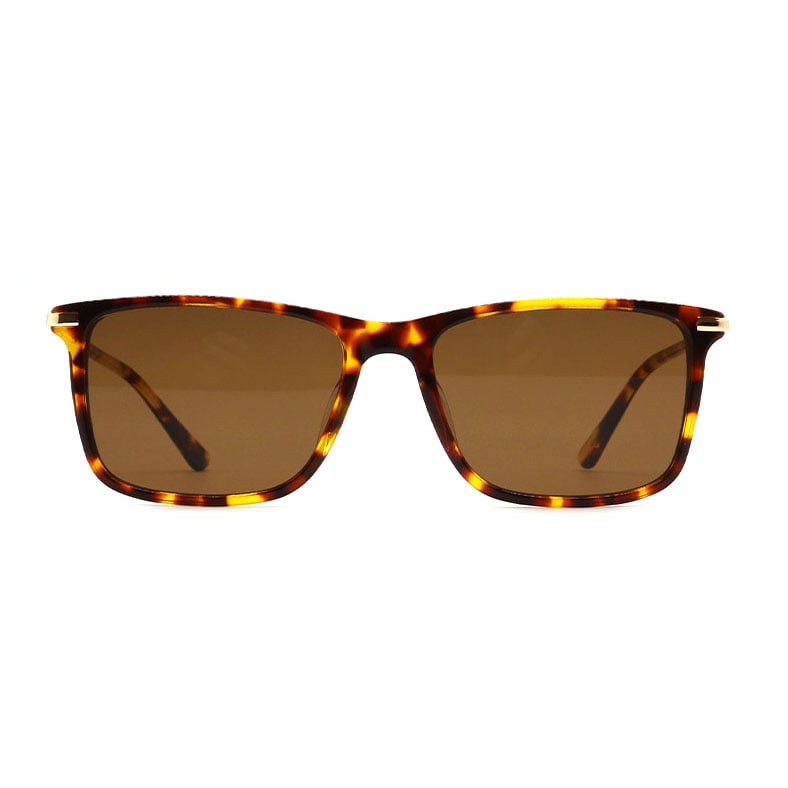
The technology behind polarized lenses represents a significant advancement in eye protection that has reshaped how professionals and outdoor enthusiasts approach vision correction. Unlike traditional non-polarized sunglasses, polarized lenses work through a specialized filtering process that dramatically reduces specific types of light reflection. This distinction matters whether you're driving, boating, fishing, or simply navigating everyday environments where reflected light creates visual strain and discomfort.
How Polarized Lenses and Non-Polarized Sunglasses Differ Fundamentally
The Science Behind Polarized Lenses
Polarized sunglasses contain a special chemical film that's laminated to the lens material. This film is oriented to block light waves that travel in specific directions—primarily horizontal light rays that bounce off flat surfaces like water, glass, and pavement. Non-polarized sunglasses, by contrast, use standard tinted materials that reduce overall light intensity uniformly, without filtering directional light patterns. The key advantage of polarized lenses is their exceptional glare reduction sunglasses capability. When you wear polarized lenses, the filtering process eliminates approximately 99% of reflected horizontal light, which is the primary source of glare and visual strain in outdoor environments.
Visual Comfort and Clarity
The practical difference in comfort is immediate and noticeable. Polarized lenses deliver clearer vision on bright days, particularly near water, snow, or highly reflective surfaces. Users consistently report reduced eye fatigue when wearing polarized lenses during extended outdoor activities. Non-polarized sunglasses provide basic UV protection and reduce overall brightness, but they don't address the specific problem of glare. For many buyers, this means continued squinting and visual strain in high-glare situations. TAC polarized options offer excellent durability and optical quality at accessible price points, making them a popular choice for both retail and wholesale eyewear applications.
Glare Reduction and Performance in Real-World Scenarios
Water and Outdoor Activities
For anyone who spends time near water—boating, fishing, swimming, or beachgoing—the benefits of glare reduction sunglasses become immediately apparent. Water reflects sunlight intensely, creating a harsh glare that non-polarized sunglasses struggle to manage effectively. Polarized lenses essentially eliminate this glare by filtering the light bouncing off the water's surface. Drivers near lakes, coastal areas, or rainy roads experience significantly reduced reflection-induced visual strain. Fishermen particularly value polarized lenses because the glare reduction allows them to see beneath the water surface more clearly, improving their ability to spot fish. Snow environments present similar challenges, where reflected sunlight creates intense glare that polarized lenses handle far more effectively than traditional non-polarized options.
Driving and Daily Use
Highway driving involves constant exposure to glare reflected from other vehicles, wet roads, and windshields. Polarized sunglasses reduce this reflection significantly, leading to safer, more comfortable driving experiences. Dashboard reflections and hood glare become minimal concerns. Non-polarized sunglasses provide basic protection but don't address reflection as specifically. For urban driving and general daily wear, some buyers find non-polarized sunglasses sufficient, particularly if they're primarily concerned with UV protection rather than glare reduction. However, professionals who drive frequently—delivery drivers, sales representatives, or rideshare operators—typically benefit substantially from switching to polarized lenses.
Important Limitations and Considerations for Buyers
Digital Screens and Specific Situations
While polarized lenses excel at glare reduction in natural outdoor settings, they can create compatibility issues with certain technologies. LCD and LED screens—including automotive dashboards, GPS devices, and some digital watches—may appear darker or distorted when viewed through polarized lenses. This happens because many electronic displays use polarized light themselves, and the conflicting filters create visual irregularities. Pilots and some professional drivers are advised to use non-polarized sunglasses because aircraft windshields are often laminated in ways that interact poorly with polarized lenses, creating potential safety hazards. For most consumers, these limitations are minor inconveniences compared to the overall benefits of glare reduction sunglasses technology.
Cost and Long-Term Value
Polarized lenses typically cost more than non-polarized alternatives because the polarizing film adds manufacturing complexity. TAC polarized options represent a cost-effective middle ground, offering genuine polarization benefits without premium price tags associated with high-end polarized materials. When evaluating polarized sunglasses versus non-polarized options, consider your intended use. If you spend substantial time in high-glare environments, the investment in polarized lenses generally provides excellent value through improved comfort and reduced eye strain. For occasional casual use, non-polarized sunglasses may meet your basic UV protection needs adequately.
FAQ
Can I wear polarized sunglasses while driving in all conditions?
Polarized lenses are generally safe for most driving situations and actually improve safety by reducing glare from roads and other vehicles. However, some drivers report potential visibility issues with LCD dashboard displays or navigation screens. Standard vehicle windshields don't typically cause problems, but if you experience any visual discomfort or distortion while driving, consult with an eye care professional. Most drivers find polarized sunglasses significantly enhance their driving experience and safety.
Are polarized sunglasses better than non-polarized for all outdoor activities?
Polarized sunglasses excel in water-based activities, snow sports, and driving due to their superior glare reduction capabilities. For general casual outdoor wear or activities not involving significant reflection, non-polarized sunglasses may be adequate. Pilots should specifically avoid polarized lenses due to potential windscreen compatibility issues. The best choice depends on your specific activities and environmental exposure. If glare is a consistent problem in your lifestyle, polarized lenses typically offer better performance.
What's the difference between TAC polarized and premium polarized lenses?
TAC polarized lenses provide genuine polarization at more affordable wholesale and retail price points, making them an excellent value option for buyers seeking glare reduction sunglasses without premium costs. Premium polarized materials may offer additional features like enhanced durability, superior optical clarity, or specialized coatings. For most applications, including professional wholesale eyewear distribution, TAC polarized delivers reliable performance and genuine glare reduction benefits. The fundamental polarization technology functions similarly across quality tiers.



