
 EN
TAC vs Polycarbonate Polarized Sunglasses Lenses: Key Differences for Buyers
Compare durability, clarity, UV protection & ROI. Make the right choice for your lifestyle—get the full comparison now.
Choosing the right lens material for your polarized sunglasses involves more than just picking a frame style. The underlying lens technology determines durability, clarity, protection, and overall value. Two dominant materials dominate the eyewear industry: TAC (triacetate cellulose) and polycarbonate. Each offers distinct advantages and trade-offs that directly impact user experience, especially for those seeking superior glare reduction sunglasses performance.
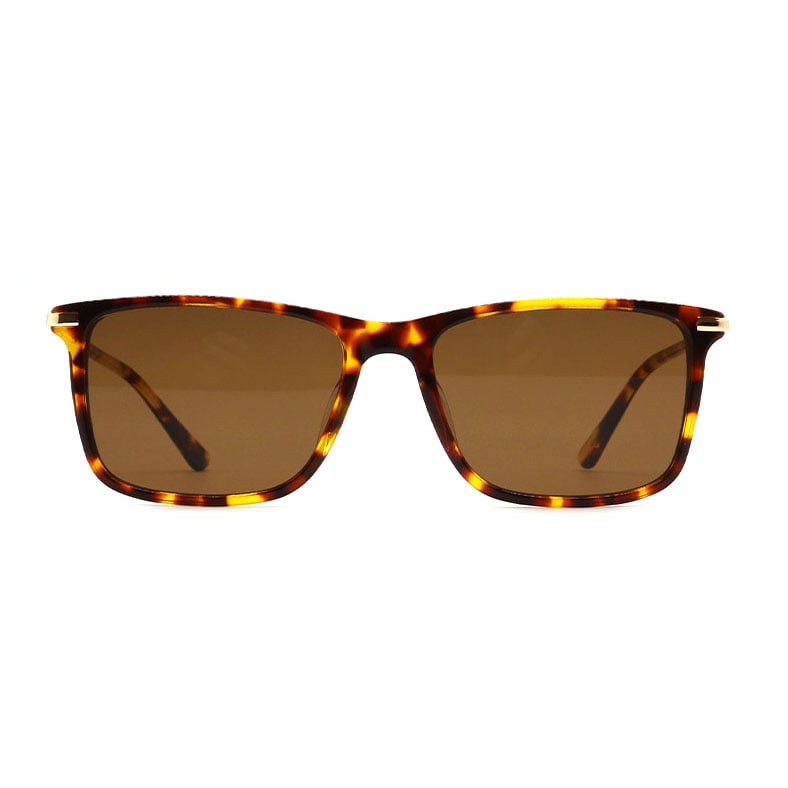
Understanding these differences enables informed decisions aligned with your lifestyle, environment, and budget. Whether you're an outdoor professional, frequent traveler, or casual wearer, the material choice affects light transmission, impact resistance, optical clarity, and long-term maintenance requirements. TAC polarized lenses and polycarbonate alternatives each excel in specific scenarios, and knowing which performs better for your needs prevents regrettable purchases.
Understanding TAC Polarized Lens Technology
Material Composition and Optical Properties
TAC stands for triacetate cellulose, a lightweight plastic derivative that has been refined over decades for eyewear applications. The material naturally accommodates polarized filtration layers that block horizontal light waves, providing exceptional glare reduction sunglasses functionality. TAC polarized lenses deliver excellent optical clarity with minimal distortion, making them particularly favored in prescription eyewear applications where visual precision matters.
Polarized lenses work by filtering reflected light from surfaces like water, sand, and wet pavement. TAC's chemical structure allows polarization filters to integrate seamlessly without compromising transparency. The material produces warm, natural color reproduction that many users prefer for extended wear, particularly in outdoor water sports, fishing, and driving scenarios where glare poses genuine safety concerns.
Durability and Impact Resistance
TAC polarized lenses demonstrate respectable impact resistance but rank below polycarbonate in shatter resistance. The material resists scratches reasonably well when treated with scratch-resistant coatings, though it requires careful handling compared to harder alternatives. Daily wear, active pursuits, and outdoor occupations may result in surface damage over time, necessitating replacement sooner than polycarbonate options.
Cost-effectiveness makes TAC polarized sunglasses attractive for budget-conscious buyers and those replacing lenses frequently. The manufacturing process remains efficient, keeping prices accessible without sacrificing optical quality or glare reduction sunglasses performance in standard usage scenarios.
Polycarbonate Polarized Lens Advantages
Superior Impact Strength and Safety
Polycarbonate emerged from aerospace and safety applications, bringing inherent durability that transforms eyewear reliability. Polycarbonate polarized lenses resist impact up to ten times better than TAC, making them industry standard for protective eyewear, sports applications, and occupational safety requirements. The material's molecular density provides natural shatter resistance without adding thickness or weight, a critical advantage for active users and high-risk environments.
This structural advantage means polycarbonate polarized sunglasses withstand drops, impacts, and rough handling that would crack or damage TAC alternatives. Athletes, construction professionals, and adventure enthusiasts benefit significantly from this robustness, justifying the premium price for long-term reliability and safety assurance.
Additional Protective Features
Polycarbonate provides inherent UV protection without requiring additional coating layers, naturally blocking 100 percent of ultraviolet radiation. The material's density also reduces light transmission variability, creating consistently darker tints when polarization layers are applied. While this can produce slightly cooler color perception compared to TAC alternatives, many users appreciate the enhanced protection for sensitive eyes during prolonged sun exposure.
Glare reduction sunglasses performance remains excellent with polycarbonate, delivering the same polarization benefits as TAC while adding durability advantages. The combination creates a premium product suitable for professional use, travel, and situations where replacement costs justify higher initial investment.
Comparing Performance in Real-World Scenarios
Optical Clarity and Color Fidelity
TAC polarized lenses generally deliver warmer, more natural color rendering that feels less filtered to the wearer's eye. This characteristic makes TAC polarized sunglasses preferable for activities requiring accurate color perception, including fashion-conscious consumers and those who find excessive color neutrality uncomfortable. The optical signature remains a matter of personal preference, though many outdoor enthusiasts specifically seek TAC's traditional appearance.
Polycarbonate polarized lenses produce slightly cooler, more neutral color representation due to material density differences. This optical character suits some users while deterring others, making personal trial important before committing to high-value purchases. Both materials achieve excellent glare reduction sunglasses performance when polarization filters are properly applied and aligned.
Longevity and Maintenance Requirements
TAC polarized sunglasses require more consistent maintenance, including protective cases, regular cleaning with appropriate cloths, and careful storage away from heat sources that can warp the material. Scratches develop more readily, though cosmetic damage typically doesn't affect glare reduction sunglasses functionality until impact severity compromises the lens integrity.
Polycarbonate polarized lenses tolerate casual handling better, resisting scratches and impacts from routine use. The durability advantage translates to longer effective lifespan, making replacement intervals extend significantly compared to TAC alternatives. Total cost of ownership often favors polycarbonate despite higher initial pricing, particularly for professional and frequent-use applications where polarized sunglasses durability directly impacts productivity and safety.
FAQ
Are TAC polarized lenses suitable for sports and outdoor activities?
TAC polarized lenses work adequately for recreational sports and casual outdoor use, providing solid glare reduction sunglasses performance and optical clarity. However, high-impact sports, water activities with significant collision risk, and professional occupations benefit more from polycarbonate's superior shatter resistance. Casual hiking, fishing, and driving remain well-served by quality TAC polarized sunglasses at lower price points.
Do polarized lenses work equally well in both TAC and polycarbonate materials?
Yes, polarization technology functions identically regardless of base material. Both TAC and polycarbonate polarized lenses filter horizontal light waves equally, delivering equivalent glare reduction sunglasses benefits for water reflection, snow glare, and road surfaces. The material choice affects durability, color perception, and optical characteristics rather than polarization effectiveness, making both capable choices for glare elimination.
Which material offers better value for long-term use?
Polycarbonate polarized sunglasses typically provide superior long-term value through extended durability and reduced replacement frequency, though TAC alternatives suit budget-conscious buyers or those with moderate usage patterns. Professional users, athletes, and individuals seeking maximum reliability justifiably invest in polycarbonate, while casual wearers may find TAC polarized lenses perfectly adequate. Your specific use case, lifestyle intensity, and budget ultimately determine the best financial choice between these polarized lenses materials.



