
 EN
Gray vs Brown Polarized Sunglasses Lenses for Driving and Water Use: Key Differences for Buyers
Discover which tint boosts contrast, color accuracy, and glare reduction for driving & water sports—get expert guidance now.
Choosing between gray and brown lenses when selecting polarized sunglasses requires understanding how each lens color impacts visibility, contrast perception, and eye comfort in different lighting conditions. Both lens options incorporate polarized technology that significantly reduces glare by blocking reflected light waves, making them invaluable for drivers and water sports enthusiasts. However, the specific color of the lens dramatically influences color perception, depth detection, and overall visual performance in various environments, so selecting the right shade depends entirely on your primary use case and personal visual preferences.
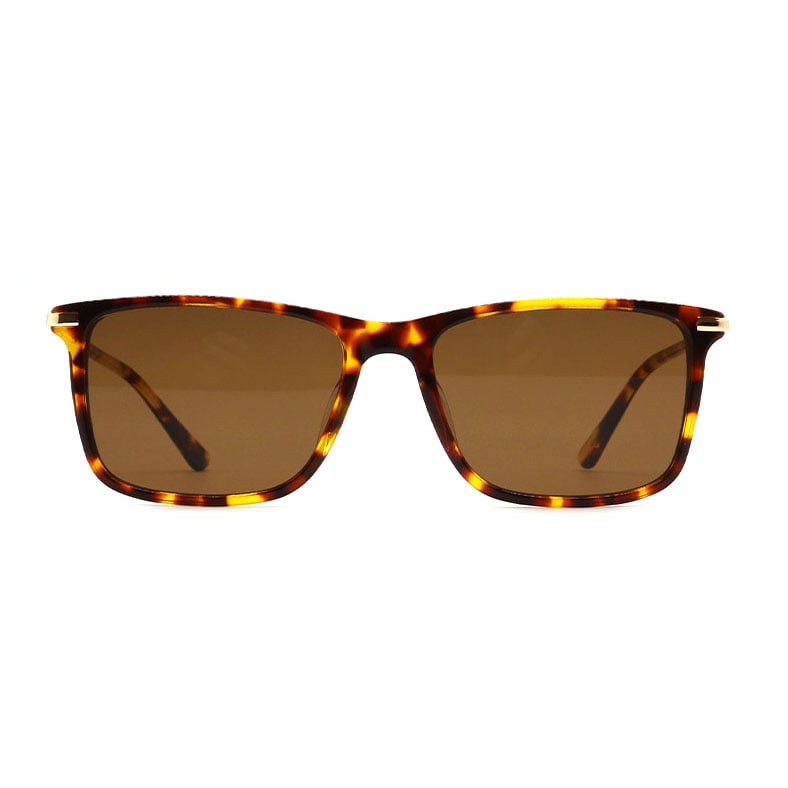
Understanding the optical differences between gray and brown polarized lenses allows you to make an informed decision that enhances your safety and comfort. Gray polarized lenses maintain true color perception and work exceptionally well in bright sunlight, while brown polarized lenses enhance contrast and depth perception, making them ideal for variable lighting situations. When combined with premium tac polarized technology, both options provide superior glare reduction sunglasses performance that protects your eyes and improves visual clarity during driving and water activities.
Gray Polarized Lenses for Driving and Bright Conditions
Light Transmission and Color Accuracy
Gray polarized lenses excel at maintaining neutral color perception while reducing light intensity. These lenses absorb roughly equal amounts of red, green, and blue wavelengths, ensuring that colors appear as they actually are without artificial tinting. For drivers navigating highway conditions under intense sunlight, this color accuracy matters significantly because traffic signals, warning signs, and road markings remain instantly recognizable. The glare reduction sunglasses benefit of gray lenses comes from their polarized coating, which eliminates reflective light bouncing off wet road surfaces, chrome bumpers, and water bodies—all common hazards during daytime driving.
Ideal Use Cases for Gray Tones
Gray polarized lenses perform optimally in consistently bright outdoor environments where sun intensity remains high throughout your activity. Drivers who spend extended hours on highways benefit from reduced eye strain because gray lenses don't create the visual distortion or color shift that can fatigue eyes over time. Water activities like boating and fishing also favor gray polarized lenses because maintaining accurate color perception helps you spot obstacles, debris, and other vessels clearly. Pilots and professional drivers often choose gray lenses specifically because aviation regulations and professional standards require accurate color recognition, and tac polarized lens technology in gray options delivers exactly this requirement.
Brown Polarized Lenses for Enhanced Contrast
Contrast Enhancement and Depth Perception
Brown polarized lenses enhance contrast by blocking blue light wavelengths while allowing more orange and red wavelengths to pass through the lens. This selective light filtering boosts the distinction between objects and their backgrounds, making details pop visually and improving your ability to perceive depth in three-dimensional space. When combined with polarized lens technology, brown tones create superior glare reduction sunglasses that simultaneously sharpen image definition and eliminate reflected light glare. This dual benefit explains why many drivers prefer brown polarized lenses during variable weather conditions where contrast enhancement helps compensate for reduced ambient light.
Performance in Variable Lighting
Brown polarized lenses truly excel when lighting conditions fluctuate throughout your day. Early morning drives, late afternoon water activities, and overcast conditions all benefit from the warmth and contrast boost that brown tones provide. The glare reduction sunglasses function remains equally effective in these conditions because polarization works independently of lens color, blocking reflected light regardless of whether the lens is gray or brown. Tac polarized brown lenses offer the additional advantage of reducing digital eye strain when driving because the warm tone filters harsh blue light that contributes to fatigue during extended windshield exposure.
Polarized Technology and Glare Reduction Science
How Polarization Works Across Both Lens Colors
Polarized lenses contain a special chemical coating that acts as a filter, allowing light waves vibrating in only one direction to pass through while blocking waves vibrating perpendicular to that direction. This mechanism effectively eliminates glare caused by reflected light bouncing off water, snow, glass, and polished surfaces. Both gray and brown polarized sunglasses incorporate identical polarization chemistry, meaning the glare reduction capability remains consistent regardless of lens color choice. The primary difference lies in how each color processes the remaining light that passes through after polarization, rather than in the effectiveness of the polarization technology itself.
TAC Polarized Lens Advantages
Tac polarized lenses represent a premium polarization standard that combines triacetate cellulose (TAC) material with advanced polarizing coatings for superior optical clarity and durability. This technology provides better impact resistance and optical stability compared to standard polarized lenses, making tac polarized sunglasses an excellent investment for frequent drivers and water sports enthusiasts. The enhanced material quality ensures that the glare reduction sunglasses benefit remains consistent even after years of regular use, with no degradation of the polarization effectiveness or lens optical properties.
Practical Selection Criteria for Your Needs
Driving Environment Considerations
Choose gray polarized lenses if you spend most driving time in bright, consistent sunlight with clear skies and need accurate color perception for navigation. These work particularly well on highways where steady brightness dominates, allowing you to focus entirely on glare reduction sunglasses performance without adjusting to color shifts. If your driving includes early mornings, late afternoons, cloudy weather, or mixed lighting conditions, brown polarized lenses provide the contrast enhancement that helps you see road details more clearly. Professional drivers and long-distance travelers often carry both options and select based on weather forecasts, recognizing that each lens color optimizes performance for specific atmospheric conditions.
Water Activity Preferences
Water sports demand exceptional glare reduction sunglasses capability because reflected light off water surfaces creates intense glare that standard lenses cannot adequately manage. Gray polarized lenses excel for recreational swimmers and beach visitors who prioritize true color perception and unfiltered brightness reduction. Fishermen frequently prefer brown polarized lenses because the enhanced contrast helps them spot fish movement in water and see underwater structure more clearly. Both gray and brown polarized sunglasses perform exceptionally well on water, so your choice should ultimately depend on whether you prioritize color accuracy or contrast enhancement in your specific water activities.
FAQ
What is the main difference between gray and brown polarized lenses?
The main difference lies in how each color processes light after polarization filters out glare. Gray polarized lenses maintain true color perception and work best in bright, consistent sunlight. Brown polarized lenses enhance contrast and depth perception, performing better in variable lighting conditions. Both options provide identical glare reduction sunglasses benefits because polarization works the same way regardless of lens color, but the visual character changes based on the lens tint.
Are polarized lenses safe for all driving situations?
Polarized sunglasses are generally excellent for daytime driving, but certain situations require caution. Digital dashboards, LCD screens, and some vehicle displays can appear darker or distorted when viewed through polarized lenses, potentially affecting your ability to read speedometers or GPS units. Additionally, polarized lenses may interfere with some aircraft windscreens and marine navigation displays. For most standard driving scenarios, polarized lenses provide superior safety through glare reduction, but drivers should be aware of these specific digital screen interactions and test their polarized sunglasses with their vehicle dashboard before relying on them exclusively.
Do tac polarized lenses last longer than regular polarized lenses?
Tac polarized lenses are significantly more durable and resistant to damage than standard polarized lenses because the TAC (triacetate cellulose) material provides superior impact resistance and optical stability. The glare reduction sunglasses performance of tac polarized options remains consistent over many years because the material resists degradation from UV exposure and environmental stress. While both polarized lens types reduce glare effectively initially, tac polarized sunglasses maintain their optical properties longer, making them a better long-term investment for frequent users who depend on consistent polarized lens performance.



