
 EN
Polarized Sunglasses Lens Quality Inspection: Planning Considerations for Buyers and Brands
Discover essential polarized lens inspection criteria, TAC durability checks, and UV compliance protocols. Build a bulletproof QA framework today.
Quality inspection of polarized sunglasses requires a structured approach that protects both brand reputation and customer satisfaction. Whether you're a buyer evaluating supplier inventory or a brand managing production quality, understanding lens inspection criteria is critical to ensuring your products meet customer expectations and regulatory standards. The inspection process goes far beyond simply checking if lenses darken in sunlight; it involves evaluating optical clarity, polarization effectiveness, coating durability, and alignment precision across every unit produced.
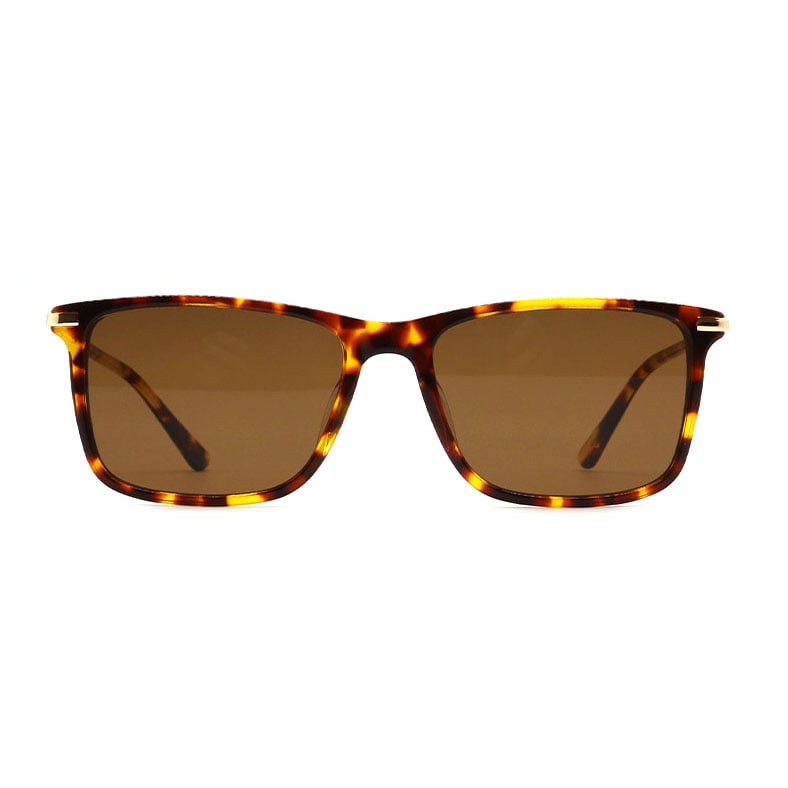
This guide walks you through the essential planning considerations for polarized lens quality inspection. From understanding what makes polarized lenses unique to establishing inspection protocols, you'll gain practical knowledge to implement or improve your quality assurance framework. Effective inspection planning prevents costly recalls, reduces return rates, and builds customer trust in your polarized sunglasses offerings.
Understanding Polarized Lens Technology and Inspection Scope
How Polarization Works and Why It Matters for Quality Control
Polarized lenses reduce glare by filtering light waves, allowing only vertically aligned light through. This glare reduction sunglasses technology involves a special polarizing filter embedded within the lens material. Understanding the mechanics is essential because inspection must verify that the polarizing layer remains intact, properly positioned, and uniformly distributed throughout the lens. Any defect in the polarization layer compromises the entire value proposition of the product.
The polarizing material is typically a chemical filter applied during lens manufacturing. For TAC polarized lenses, the polarizing layer is sandwiched between layers of cellulose acetate butyrate, making TAC polarized products durable and resistant to scratching. Inspection protocols must confirm that no delamination, air bubbles, or contamination disrupts this layered structure, as any separation reduces optical performance and creates liability concerns for both buyer and brand.
Differentiating Quality Standards Across Lens Types
Not all polarized sunglasses meet the same performance standards. Premium polarized lenses typically undergo stricter inspection for color consistency, distortion, and coating adhesion. Mid-range products may prioritize cost efficiency while maintaining polarization effectiveness and basic durability. Budget-conscious buyers must understand that lower-cost polarized lenses often trade premium optical clarity for affordability, which is acceptable if inspections confirm the lenses still deliver baseline glare reduction and safety performance.
The distinction matters during inspection planning because your quality thresholds will vary based on target market positioning. A luxury brand selling polarized sunglasses at premium price points requires inspection standards that verify optical perfection, while mass-market retailers may focus on safety compliance and basic polarization verification. Define your quality tier upfront; this decision shapes your inspection checklist, equipment needs, and rejection thresholds.
Establishing Your Polarized Lens Inspection Protocol
Visual and Optical Inspection Procedures
The first phase of inspection involves visual examination under controlled lighting. Inspectors should examine each lens for scratches, bubbles, haze, spots, and discoloration that indicate manufacturing defects or material degradation. These defects directly impact both the aesthetic appeal and optical quality of polarized sunglasses. Use standardized lighting conditions and magnification tools to ensure consistency across inspectors and production batches.
Optical inspection follows, testing for clarity, distortion, and prism effects. Look through the lens at a distance grid or through a lens testing apparatus to detect waviness, cloudiness, or aberrations. For polarized lenses specifically, hold the lens at various angles to confirm uniform color and optical performance across the entire surface. Spotting variations in color intensity or clarity suggests uneven polarization, which compromises glare reduction effectiveness.
Polarization Testing and Performance Verification
Verification that your polarized lenses actually deliver glare reduction requires simple polarization testing. Cross two polarizing filters at ninety-degree angles; if light passes through, the polarization is compromised. Using a polarization testing device or a second pair of polarized sunglasses, confirm that rotating the lens dims or darkens the view predictably. This test confirms the polarizing filter is present and functional.
UV protection testing is equally critical, as polarized lenses should block virtually all UVA and UVB rays. A UV light meter can confirm that lenses block the necessary spectrum. Documentation of UV protection levels is often required for regulatory compliance and customer safety claims. For TAC polarized products, verify that the protective qualities of the acetate material remain intact and that polarization doesn't degrade UV filtration effectiveness.
Durability and Coating Assessment
Durability testing evaluates how well polarized lenses withstand normal use and environmental stress. Apply standard scratch resistance tests using defined materials and pressure levels. Anti-reflective coatings, if present, should be inspected for adhesion quality and uniform coverage. Coating defects lead to glare reflections and reduced optical performance, undermining the entire purpose of polarized sunglasses.
Assess lens hardness and impact resistance through standardized drop tests and compression tests appropriate for eyewear. TAC polarized lenses typically perform well in durability tests due to their inherent material strength, but inspection should confirm no manufacturing flaws weaken the lens structure. Record all durability test results systematically to identify patterns and inform supplier feedback or production adjustments.
Planning Your Quality Inspection Workflow and Resource Allocation
Sampling Strategy and Documentation Requirements
Effective inspection planning requires a sampling strategy that balances cost control with statistical confidence. For high-volume orders of polarized sunglasses, 100-percent inspection may be cost-prohibitive, making risk-based sampling essential. Establish acceptable quality levels based on your brand standards, regulatory requirements, and customer expectations. Document your sampling methodology clearly so inspections remain consistent across batches and over time.
Maintain detailed inspection records for each batch, including date, inspector identity, specific defects found, and corrective actions taken. These records serve multiple purposes: they provide traceability for quality issues, support warranty claims, inform supplier performance evaluation, and create accountability within your quality system. For brands and buyers of polarized lenses, systematic documentation is essential for liability protection and continuous improvement.
Equipment, Training, and Inspector Qualification
Invest in appropriate inspection equipment tailored to polarized sunglasses testing. Essential tools include magnification devices for visual inspection, polarization testing filters, UV meters, lens testing apparatus for distortion detection, and scratch/impact testing equipment. The equipment investment varies based on your inspection depth and production volume. Smaller buyers may partner with suppliers who provide third-party inspection certificates rather than conducting in-house inspection.
Train all inspectors on polarized lens characteristics, defect identification, and testing procedures. Inspectors must understand why each test matters and what results indicate acceptable quality. Rotate inspectors periodically and conduct validation audits comparing multiple inspectors on the same samples to ensure consistent standards. Qualified inspectors are your quality system's backbone; their expertise directly impacts the reliability of polarized sunglasses reaching your customers.
Supplier Communication and Continuous Improvement
Use inspection findings to communicate quality expectations to suppliers clearly. Provide feedback on defect trends, rejection rates, and root cause patterns. Establish service level agreements that specify acceptable defect rates for polarized lenses and required corrective action timelines. A collaborative approach with suppliers often reduces costs while improving consistency compared to punitive rejection-focused relationships.
Implement continuous improvement cycles based on inspection data. If defect patterns emerge, investigate whether the issue stems from raw material inconsistency, manufacturing process drift, or handling damage. For polarized lenses and TAC polarized products specifically, tracking coating adhesion failures or polarization layer issues helps identify systemic problems before they scale across production batches. Regular data review and trend analysis transform inspection from a cost center into a strategic quality management tool.
FAQ
What is the most common defect found in polarized sunglasses lenses during quality inspection?
The most frequently encountered defect in polarized lenses is uneven polarization, manifested as color variation or inconsistent glare reduction across the lens surface. This typically results from manufacturing process inconsistencies during polarizing layer application. Other common issues include micro-scratches on the lens surface, air bubbles within the lens material, coating adhesion problems, and delamination in TAC polarized products. These defects directly compromise the optical performance and durability that customers expect from polarized sunglasses.
How often should quality inspections occur during production of polarized sunglasses?
Inspection timing depends on your production volume and quality system maturity. High-volume manufacturers typically implement in-process inspection at multiple production stages: during lens coating application, after polarization layer integration, and before final frame assembly. End-of-line inspection catches final defects before packaging. For brands buying from suppliers, incoming inspection of each shipment is standard practice. Low-volume or custom orders may justify 100-percent inspection, while high-volume standardized production typically uses statistical sampling with defined acceptable quality levels for polarized lenses and related products.
What regulatory or safety standards apply to polarized sunglasses lens inspection?
Polarized sunglasses must comply with UV protection standards such as ISO 12312-1 and regional regulations like FDA requirements in the United States. These standards mandate that lenses block 99-100 percent of UVA and UVB radiation and meet specific optical quality criteria. Polarization performance itself is not federally mandated in most markets, but polarized lenses must not create safety hazards through distortion or optical defects. Inspect your target markets' specific regulations and ensure your polarized sunglasses meet applicable standards before selling. Brands should document compliance through third-party testing certificates and maintain detailed inspection records supporting safety claims.



