
 EN
Material Sourcing Practices at an Eyewear Manufacturer: Key Differences and Selection Factors
Discover how acetate, titanium, and OEM vs. specialist sourcing impact cost, compliance & durability.
An eyewear manufacturer faces complex material sourcing decisions that directly impact product quality, cost structure, and market competitiveness. The process of selecting raw materials and production partners extends far beyond simple price negotiation. Understanding the sourcing landscape requires insight into how different facility types, supplier capabilities, and material quality standards operate within the eyewear production ecosystem.
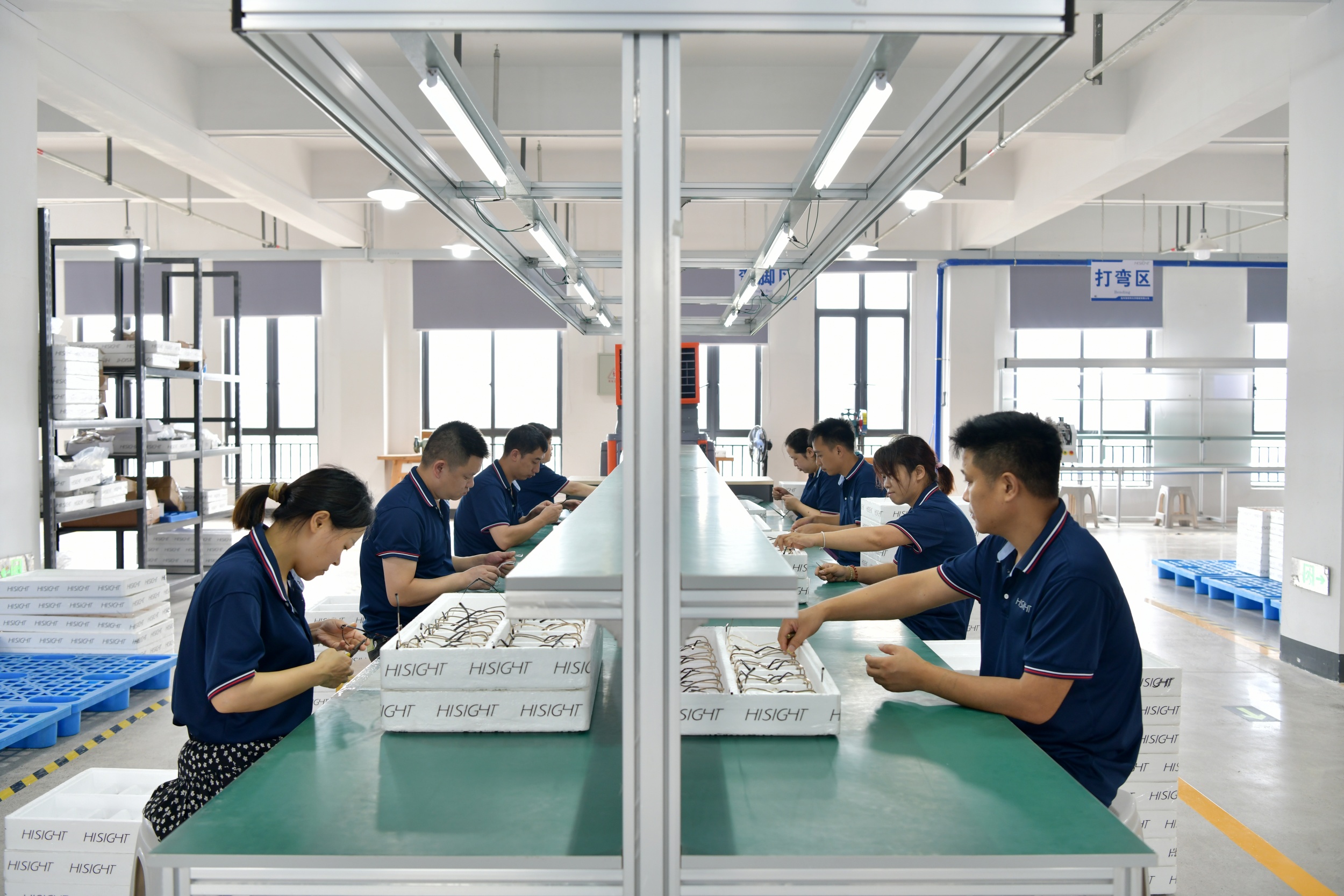
Material sourcing at a professional eyewear OEM factory involves evaluating resin suppliers, metal alloy vendors, lens manufacturers, and hardware component specialists. Each glasses factory operates with distinct material procurement strategies that reflect their production scale, technology investment, and target market positioning. For brands seeking partnership with an optical frame manufacturer, recognizing these operational differences becomes essential for quality assurance and long-term supply chain stability.
Understanding Material Categories in Eyewear Production
Acetate and Resin-Based Materials
Acetate serves as the foundation material for most fashion and lifestyle eyewear frames. A glasses factory sourcing acetate must evaluate supplier certifications, color consistency, weight specifications, and environmental compliance. Premium acetate from established resin producers ensures uniform thickness and molding characteristics that reduce production defects. An eyewear manufacturer typically sources acetate in sheet form, with thickness ranging from 2mm to 4mm depending on frame design requirements.
The eyewear OEM factory differentiates itself through vendor relationships with specialty resin producers offering unique colors, patterns, and performance characteristics. Cellulose acetate quality directly influences frame durability, comfort, and aesthetic appeal. Leading optical frame manufacturers maintain multiple acetate suppliers to ensure supply continuity and leverage competitive pricing while maintaining strict quality benchmarks.
Metal Alloys and Frame Components
Metal frame production requires sourcing titanium, stainless steel, and aluminum alloys from certified metallurgical suppliers. An eyewear manufacturer working with a glasses factory must understand the distinction between virgin and recycled metal content, corrosion resistance ratings, and hypoallergenic properties. Titanium suppliers typically provide material certifications confirming nickel content below acceptable limits, critical for consumer safety and regulatory compliance.
An optical frame manufacturer source materials through long-term contracts ensuring consistent alloy composition and mechanical properties. Metal sourcing involves technical specifications for tensile strength, flexibility, and surface finish requirements. The eyewear OEM factory maintains quality control systems that verify supplier documentation through independent testing protocols.
Differentiation Between Facility Types and Sourcing Approaches
Full-Service Eyewear OEM Factory Operations
An eyewear OEM factory typically integrates material sourcing with manufacturing, reducing supply chain complexity and quality variability. This integrated glasses factory model allows for better cost control and faster material adaptation when design modifications occur. The eyewear manufacturer benefits from direct oversight of material receiving, inspection, and storage protocols, minimizing contamination and degradation risks.
Full-service operations maintain relationships with lens manufacturers, including single-vision, progressive, and specialty coating suppliers. An optical frame manufacturer with vertical integration can negotiate favorable terms for bulk material purchases while maintaining quality standards across acetate, metal, and lens sourcing. This glasses factory approach reduces material waste through optimized inventory management and production scheduling.
Specialized Component-Based Facilities
Some glasses factory operations focus specifically on frame assembly and finishing rather than materials processing. These facilities source pre-fabricated components including hinges, nose pads, and temple tips from specialized component manufacturers. An eyewear manufacturer choosing this approach gains flexibility in material sourcing but assumes responsibility for supplier quality management across multiple vendors.
The eyewear OEM factory model emphasizing assembly efficiency requires robust supplier qualification systems and incoming material inspection protocols. An optical frame manufacturer operating this way must maintain detailed specifications for each component, ensuring compatibility and performance standards. This sourcing approach suits manufacturers targeting rapid style iteration and market responsiveness over vertically integrated production.
Supplier Selection and Quality Assurance Criteria
Material Compliance and Certification Requirements
An eyewear manufacturer must evaluate supplier compliance with international standards including ISO 12312 for optical radiation protection and ASTM F395 for eyewear sizing and marking. A glasses factory should source materials from suppliers maintaining ISO 9001 certification and demonstrating traceability documentation. Lead content testing, nickel release verification, and heavy metal screening represent essential quality checks for any optical frame manufacturer sourcing materials.
Environmental compliance standards increasingly influence material sourcing decisions. An eyewear OEM factory must verify that resin suppliers meet RoHS and REACH regulations, particularly for European market distribution. Material Safety Data Sheets (MSDS) and environmental impact assessments help the glasses factory manager understand sourcing implications. Progressive eyewear manufacturers document supplier audits and maintain certification files demonstrating due diligence in material sourcing practices.
Cost-Quality Balance in Material Selection
Material sourcing decisions reflect the positioning strategy of an eyewear manufacturer within target market segments. Budget-conscious glasses factory operations optimize material costs through volume purchasing and standardized component specifications. Premium eyewear OEM factory positioning emphasizes material distinctiveness, innovative material combinations, and aesthetic differentiation through advanced resin formulations and specialty metal alloys.
An optical frame manufacturer must establish material sourcing budgets that balance cost pressures with quality requirements and design flexibility. The glasses factory that achieves competitive advantage through material sourcing does so by maintaining supplier relationships enabling favorable pricing without compromising specifications. Total material cost, including waste rates and rework expenses, determines true sourcing efficiency for the eyewear manufacturer.
FAQ
What distinguishes an eyewear OEM factory from a standard glasses factory in material sourcing?
An eyewear OEM factory typically handles full-service production including material sourcing, component manufacturing, and assembly, offering integrated quality control. A glasses factory may focus on specific production stages such as frame molding or finishing while sourcing components externally. The eyewear manufacturer choosing an OEM facility gains coordinated material management and streamlined supply chain oversight, whereas working with a specialized glasses factory requires managing multiple supplier relationships independently.
How does an optical frame manufacturer ensure material quality consistency across production batches?
An optical frame manufacturer implements incoming material inspection protocols, maintains supplier scorecards tracking delivery performance and quality metrics, and conducts periodic audits of material sourcing partners. The eyewear manufacturer establishes specification documents detailing acceptable tolerances for acetate thickness, metal alloy composition, and lens specifications. A glasses factory with mature quality systems maintains statistical process control data demonstrating material consistency over time, supporting continuous improvement in material sourcing practices.
What factors should guide an eyewear manufacturer when selecting between multiple material suppliers?
An eyewear manufacturer should evaluate supplier capability through certifications and compliance records, analyze total cost of materials including quality-related expenses and lead times, and assess supply stability and geographic diversification. The glasses factory should prioritize suppliers offering technical support, flexibility for design customization, and transparent pricing structures. An optical frame manufacturer benefits from suppliers demonstrating commitment to innovation and willingness to develop proprietary materials supporting brand differentiation strategies.



