
 EN
Production Processes at an Eyewear Manufacturing Facility: A Technical Guide for Eyewear Buyers
Understand frame design, lens coating, QC, and OEM timelines. Make smarter sourcing decisions—download the full guide now.
Understanding the production processes at an eyewear manufacturer is essential for buyers seeking quality products and reliable supply chains. Whether you're sourcing for retail distribution, corporate programs, or direct consumer sales, comprehending how a glasses factory operates transforms your purchasing decisions and partnership expectations. An eyewear manufacturer combines precision engineering, quality control systems, and specialized labor to deliver frames and lenses that meet international standards while maintaining cost efficiency.
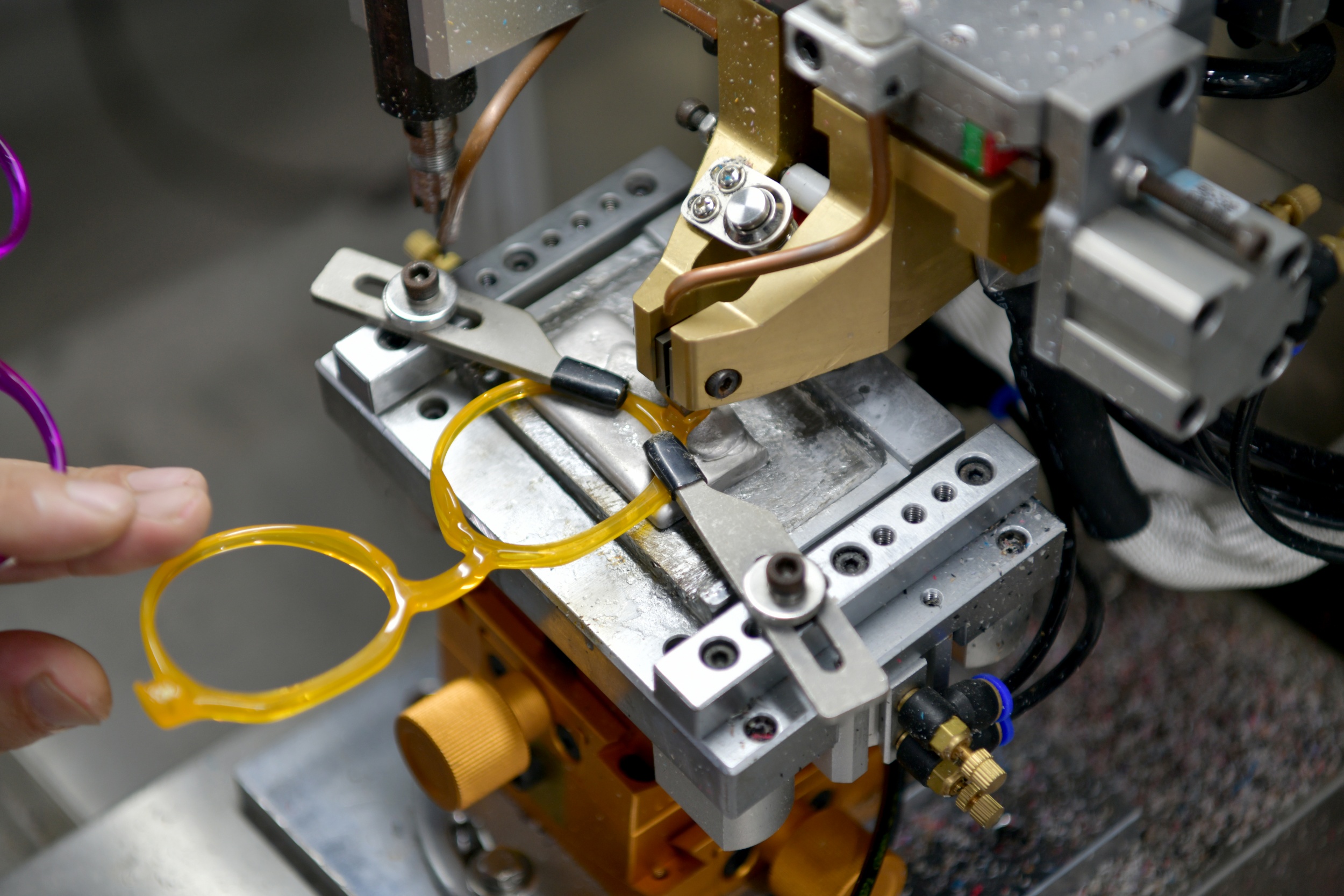
The journey from raw materials to finished eyewear involves multiple interconnected stages, each requiring specialized equipment, trained personnel, and rigorous oversight. A glasses factory operates like a synchronized ecosystem where frame production, lens manufacturing, assembly, and quality assurance work in concert. When evaluating an eyewear OEM factory or optical frame manufacturer, understanding these production phases helps you assess capacity, quality capability, turnaround times, and whether the facility aligns with your sourcing objectives.
Frame Design and Material Preparation
Digital Design and Prototyping
Modern eyewear manufacturers begin with computer-aided design technology that translates style concepts into precise manufacturing specifications. An optical frame manufacturer uses CAD software to model dimensions, material thickness, hinge mechanics, and aesthetic proportions before any physical prototype is created. Design teams at a glasses factory work closely with buyers to refine aesthetics, ergonomics, and manufacturability, ensuring the final product balances trendy appeal with production feasibility.
Prototyping represents a critical phase where eyewear OEM factory technicians create initial samples using various materials including acetate, metal alloys, titanium, and injected plastics. Multiple iterations occur during this stage as designers and buyers evaluate comfort, durability, and visual alignment with market trends. This collaborative process significantly impacts production timelines and final quality outcomes.
Material Selection and Raw Material Processing
The eyewear manufacturer sources raw materials from specialized suppliers worldwide, selecting acetate sheets, titanium rods, stainless steel stock, and other components based on design specifications and quality requirements. A glasses factory maintains strict material testing protocols to verify chemical composition, tensile strength, and optical clarity before materials enter production. Optical frame manufacturer facilities organize materials in climate-controlled storage areas, protecting sensitive compounds from temperature and humidity fluctuations that could compromise final product performance.
Material preparation involves cutting acetate sheets into blanks, extracting metal ingots to the correct dimensions, and pre-treating surfaces for subsequent manufacturing steps. These preparatory processes at an eyewear manufacturer establish the foundation for precision machining and assembly operations that follow.
Manufacturing and Assembly Operations
Frame Machining and Shaping
An eyewear manufacturer employs CNC machining centers, injection molding equipment, and precision cutting tools to transform raw materials into frame components. At a glasses factory, acetate frames undergo heating, pressing, and shaping in specialized molds designed to achieve exact curves, bridge widths, and temple lengths. Metal frames proceed through CNC operations where titanium rods are trimmed, threaded for nose pads, and shaped to specifications with automated precision that human hands cannot achieve alone.
The eyewear OEM factory maintains multiple production lines running simultaneously, with experienced operators monitoring machines, adjusting settings, and removing completed components. Each frame piece is measured against specification standards using precision instruments including calipers, gauges, and optical comparators. An optical frame manufacturer understands that consistency across production batches protects brand reputation and ensures customer satisfaction.
Assembly and Hardware Installation
Once individual frame components reach specified dimensions, eyewear manufacturer assembly departments bring pieces together through skilled hand assembly and semi-automated processes. Hinges, nose pads, and decorative hardware are affixed using specialized tools and adhesives rated for durability and comfort. At a glasses factory, workers undergo extensive training to ensure consistent quality in each frame's assembly, with supervisors conducting spot checks and random inspections throughout each shift.
An eyewear OEM factory invests in worker training programs because assembly quality directly impacts frame longevity and customer experience. Bridge fitting, hinge torque settings, and hardware alignment must meet tight tolerances that separate premium eyewear from mass-market products. The optical frame manufacturer culture emphasizes craftsmanship and attention to detail at this stage.
Quality Control and Finishing Operations
Lens Cutting and Coating
While frames proceed through assembly, an eyewear manufacturer operates parallel lens production lines where optical blanks are cut, edged, and coated with protective layers. At a glasses factory, lens manufacturing requires precision equipment including digital edgers and coating chambers that apply anti-reflective, UV-protective, and scratch-resistant layers. An eyewear OEM factory recognizes that lens quality significantly influences wearer satisfaction and product durability, necessitating sophisticated optical measurement systems throughout this process.
Quality technicians at an optical frame manufacturer test lens optical properties using automated systems that verify prescription accuracy, light transmission, and coating uniformity. Each lens batch undergoes sample testing to ensure consistency and compliance with international optical standards before being assembled into frames.
Final Inspection and Packaging
Before eyewear reaches buyer facilities, an eyewear manufacturer conducts comprehensive final inspections where trained quality auditors examine frames under controlled lighting, evaluate hinge function, assess coating quality, and verify all specifications match purchase orders. At a glasses factory, this stage represents the final quality gate where defective units are quarantined, reworked, or discarded. An eyewear OEM factory typically inspects 100 percent of production or uses statistically valid sampling plans for high-volume orders.
Packaging operations at an optical frame manufacturer involve carefully placing frames into protective cases, including cleaning cloths and documentation, then boxing units for shipment. Palletization and shipping logistics ensure product arrives at buyer locations without damage. This comprehensive approach to quality and presentation reflects how seriously established eyewear manufacturers treat their customer relationships and brand representation.
FAQ
What quality standards do eyewear manufacturers follow?
Eyewear manufacturers operate under international standards including ISO 12312 for sunglasses, ISO 8624 for spectacle lenses, and various national regulations like FDA requirements for the United States. A reputable glasses factory implements quality management systems certified to ISO 9001 and maintains detailed documentation of testing procedures, material certifications, and production batch records. These standards ensure that eyewear OEM factory output meets safety requirements and performance expectations across global markets.
How long does eyewear production take from order to delivery?
Production timelines at an eyewear manufacturer vary based on order volume, design complexity, and customization requirements. Standard production at a glasses factory typically requires 30 to 60 days for initial sampling and 45 to 90 days for full production runs once designs are approved. An eyewear OEM factory may offer expedited schedules for premium fees, while an optical frame manufacturer balances speed with quality, understanding that rushing production increases defect rates and damages long-term relationships.
Can eyewear manufacturers customize designs for specific buyers?
Yes, eyewear manufacturers specialize in custom development where buyers provide design specifications, color preferences, and material requirements. An eyewear OEM factory collaborates throughout the design phase, offering technical input on manufacturability, cost optimization, and production scheduling. A glasses factory and optical frame manufacturer typically charge design and tooling fees for custom orders but can deliver significant volume savings once production ramps up, making customization economically viable for buyers seeking differentiated products.



