
 EN
Nylon Lenses vs Polycarbonate Lenses in Sunglasses: Key Differences for Buyers
Compare impact resistance, UV protection, durability & cost—make the right buy. Get expert insights now.
When selecting the right eyewear, understanding the differences between nylon and polycarbonate lenses in sunglasses is essential for making an informed purchasing decision. Both materials offer distinct advantages and trade-offs that directly impact your visual experience, comfort, and long-term value. Whether you're buying shades for everyday wear or specialized activities, knowing how these two lens materials perform helps you select eyewear that meets your specific requirements and lifestyle needs.
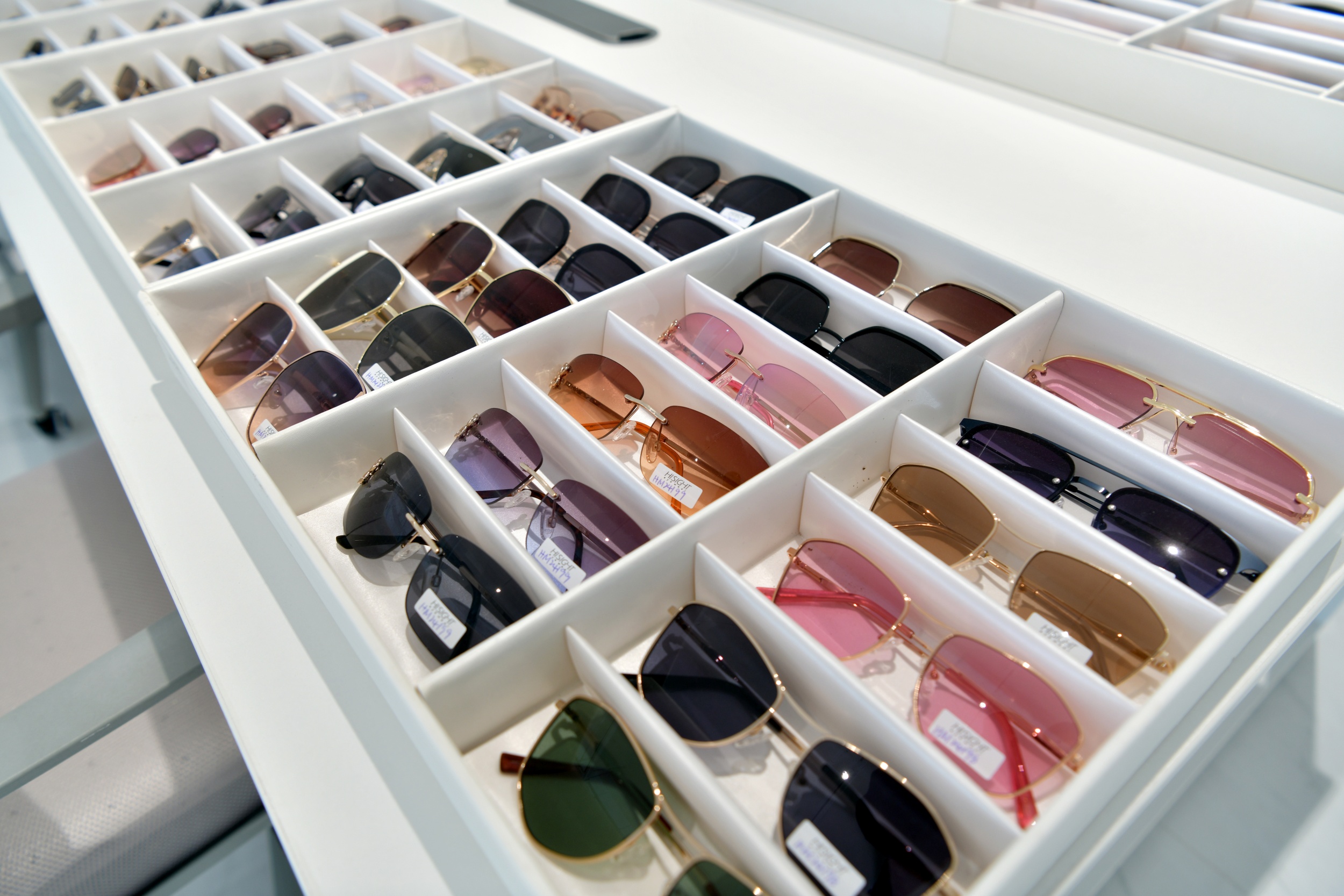
The choice between nylon and polycarbonate affects not only the clarity and comfort of your shades but also their durability, weight, and resistance to impact and UV damage. Polycarbonate lenses have gained significant popularity in premium eyewear, while nylon remains a trusted choice in many traditional sunwear applications. Understanding the material science behind each option ensures you invest in sunglasses that deliver superior performance and protection.
Material Composition and Optical Properties
Understanding Nylon Lens Structure
Nylon, a thermoplastic polymer, has been used in eyewear manufacturing for decades. Nylon shades offer excellent optical clarity and are lightweight, making them comfortable for extended wear. The material exhibits strong dimensional stability and resists warping when exposed to moderate temperature fluctuations. Nylon also provides natural resistance to certain chemicals, contributing to its popularity in traditional sunwear applications across diverse industries.
Polycarbonate Lens Advantages
Polycarbonate is an advanced engineering plastic that revolutionized the eyewear industry. These lenses are inherently impact-resistant, making them ideal for high-energy activities and protective eyewear applications. Polycarbonate absorbs more light wavelengths naturally, which enhances UV protection sunglasses performance without requiring additional coatings. The material's superior optical quality ensures minimal distortion, critical for precision tasks and recreational activities where visual accuracy matters.
Durability, Impact Resistance, and Longevity
Nylon Durability Characteristics
Nylon lenses demonstrate good durability under normal use conditions but require careful handling to avoid scratches and cracks. These shades perform well for everyday wear in low-impact environments where accidental drops and collisions are minimal. Nylon's flexibility allows it to bend slightly without breaking, though repeated stress can eventually cause permanent deformation. Many consumers appreciate nylon sunwear for casual outdoor activities, fashion-forward designs, and situations where traditional aesthetics matter more than extreme durability.
Polycarbonate Resilience and Protection
Polycarbonate lenses excel in demanding environments where impact resistance is non-negotiable. These shades withstand significant force without shattering, making them the standard choice for sports eyewear, safety applications, and occupational use. Police officers, construction workers, and athletes consistently choose polycarbonate-based eyewear because the material's inherent strength eliminates concerns about lens failure during high-energy moments. The superior UV protection sunglasses standards also extend lens lifespan by preventing UV-induced yellowing and degradation more effectively than nylon.
Cost Considerations and Market Application
Pricing and Value Proposition
Nylon shades typically cost less to manufacture, resulting in more affordable eyewear options for budget-conscious consumers. Entry-level sunwear and fashion-oriented frames frequently use nylon lenses because the lower production costs allow manufacturers to invest in stylish frame designs and diverse color options. However, the lower initial cost may be offset by more frequent replacement due to scratches and damage. Polycarbonate eyewear commands premium pricing but delivers superior UV protection sunglasses performance, longer service life, and reduced replacement frequency over time.
Application-Specific Selection
Different use cases demand different lens materials. Casual fashion shades and everyday eyewear often utilize nylon because aesthetics and comfort take priority over extreme durability. Professional athletes, military personnel, and outdoor enthusiasts consistently choose polycarbonate-based sunwear because the UV protection sunglasses benefits, combined with superior impact resistance and optical quality, justify the investment. Construction sites, industrial operations, and recreational activities like water sports predominantly use polycarbonate lenses. Understanding your primary use case ensures you select eyewear that delivers optimal value within your specific application context.
UV Protection and Eye Health Implications
UV Blocking Effectiveness
Both nylon and polycarbonate can provide comprehensive UV protection sunglasses when manufactured with appropriate coatings and material formulations. However, polycarbonate's molecular structure naturally blocks approximately ninety-eight percent of ultraviolet radiation without additional treatments. Nylon requires specific UV-absorbing additives during production to achieve equivalent protection standards. High-quality shades in both materials meet international UV protection standards, but polycarbonate consistently delivers superior UV-blocking characteristics with less dependence on surface coatings that may wear away over time.
Long-Term Eye Health Considerations
Extended UV exposure causes cumulative eye damage, cataracts, and age-related macular degeneration. Selecting sunwear with reliable, long-lasting UV protection sunglasses technology becomes increasingly important for individuals who spend significant time outdoors. Polycarbonate lenses' inherent UV-blocking properties ensure consistent protection throughout the eyewear's lifespan, whereas nylon lens protection depends on maintaining intact coatings and additives. For individuals in sunny climates or those who spend extensive time on water or in mountains where UV exposure intensifies, polycarbonate represents a more dependable choice for long-term eye health protection.
FAQ
Are polycarbonate sunglasses more scratch-resistant than nylon shades?
Polycarbonate lenses are significantly more impact-resistant but not inherently more scratch-resistant than nylon. Both materials can develop scratches with improper handling. However, polycarbonate eyewear typically includes premium hard coatings that enhance scratch resistance. Nylon shades are more prone to scratching during daily use, making protective cases and careful storage more important. For maximum scratch protection, anti-scratch coatings are essential regardless of base material, though polycarbonate-based sunwear often includes these upgrades as standard features.
Which sunglasses material provides better UV protection sunglasses coverage?
Polycarbonate naturally provides superior UV protection without requiring additional coatings, blocking up to ninety-eight percent of ultraviolet radiation. Nylon requires UV-absorbing additives and coatings to achieve equivalent protection levels. Both materials can meet UV-400 standards when properly manufactured, but polycarbonate's inherent properties ensure consistent protection throughout the eyewear's lifespan. For individuals prioritizing maximum UV protection sunglasses performance, polycarbonate lenses deliver more reliable, long-term eye health benefits without dependence on surface treatments that may degrade over time.
Should I choose nylon or polycarbonate shades based on my lifestyle?
Your choice depends on your primary activities and budget constraints. For casual everyday wear and fashion-forward styling, nylon shades offer comfort, affordability, and aesthetic variety. For sports, outdoor recreation, professional activities, or high-impact environments, polycarbonate sunwear delivers essential impact resistance and superior UV protection sunglasses performance. Individuals in sunny climates or those spending extended periods outdoors benefit from polycarbonate's inherent durability and UV-blocking technology. Evaluate your specific use case, expected wear frequency, and budget to determine which material best serves your individual eyewear needs and lifestyle requirements.



